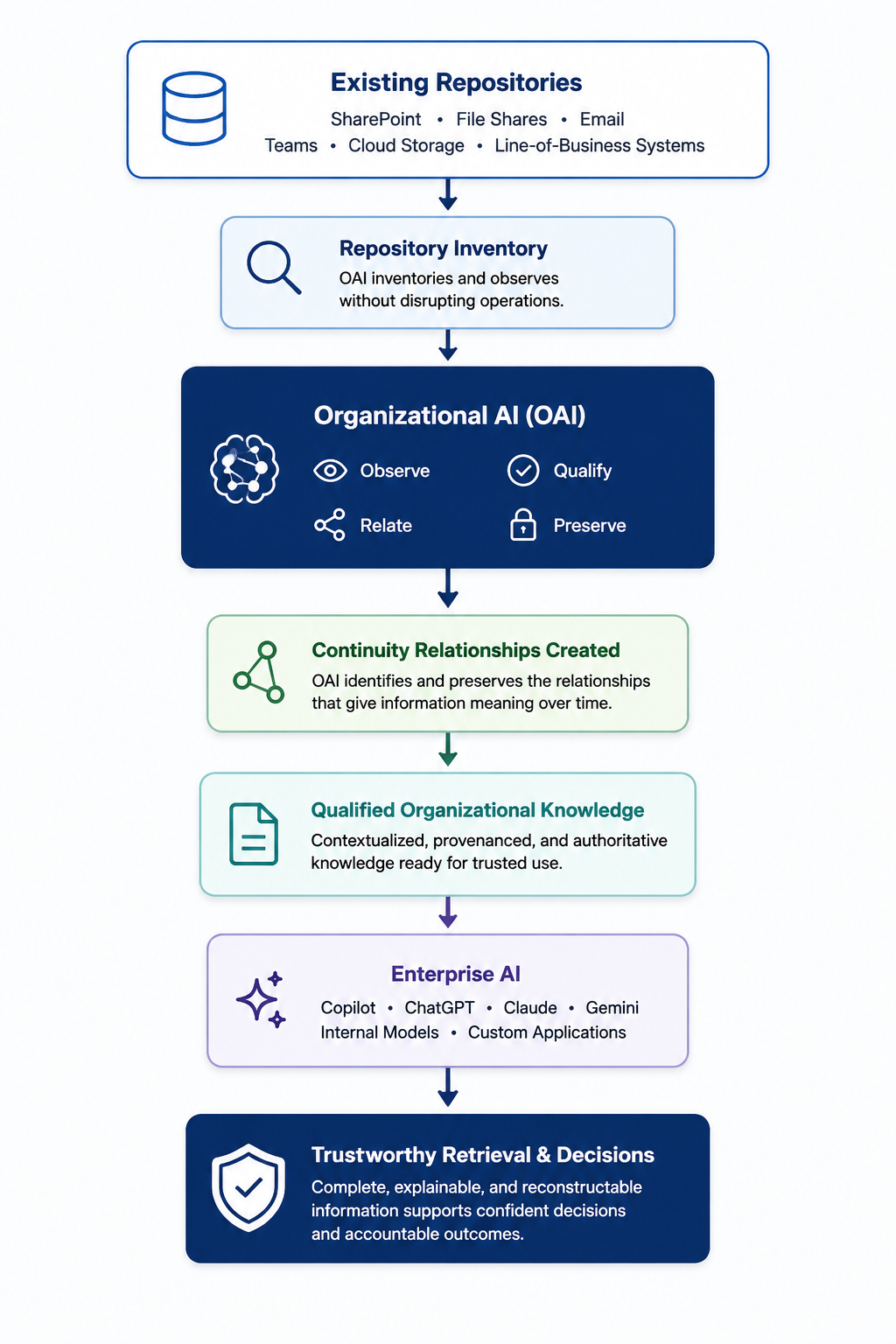
The AI Error Was Discovered. The Correction Still Had to Reach the Court.
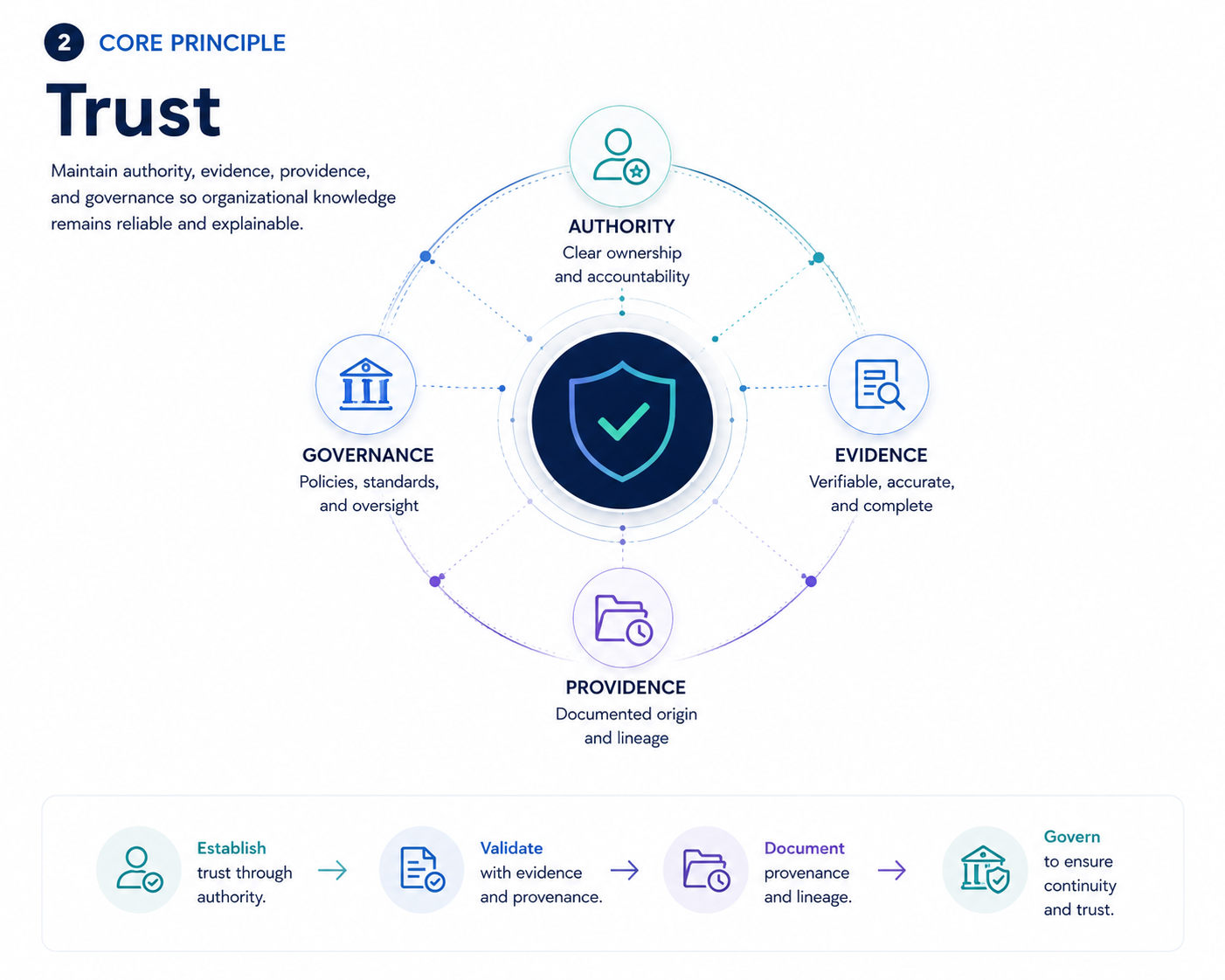

Discovering that an institutional record is wrong does not, by itself, correct the institution.
In 2026, prosecutors in Nevada County, California acknowledged errors in four felony cases involving generative-AI-assisted drafting or editing. Reporting by CalMatters described fabricated or erroneous legal material entering prosecution filings and a continuing sanctions inquiry. A former deputy district attorney alleged that, after the errors were recognized, she was prevented from immediately notifying courts, defense counsel, and affected defendants. Those allegations remain part of an active process and should not be treated as finally adjudicated facts.
The second failure can be more important than the first
The initial AI problem fits a familiar pattern: an unreliable generated assertion crosses from candidate material into institutional evidence. But once the problem is discovered, a new continuity obligation begins.
The institution now possesses new Evidence: the prior filing may be unreliable. That evidence should change Authority, Context, and Record state. Affected actors should be notified, contaminated material should be qualified or corrected, and future users should not continue to rely on the superseded version as though nothing changed.
Correction is a continuity process
GovKM maps the original failure as Source → Evidence → Authority → Context → Record. The correction path then begins again:
New Evidence / contamination discovered → Authority / authorized correction → Decision / amend or notify → Action / correction → Record / corrected state → Institutional Memory → Future Reuse.
If that second chain breaks, the institution can know a record is unreliable while still allowing the old record to remain operationally authoritative.
Why this matters for AI governance
AI governance often focuses on prevention: verify citations, keep a human in the loop, restrict model use. But consequential systems also need a correction architecture. When an AI-supported decision, filing, record, or recommendation is later shown to be wrong, the organization should be able to identify downstream dependencies and propagate the corrected state.
GovKM interprets this case as evidence for correction continuity: institutional truth changes only when the correction reaches every relationship that inherited the prior assertion.
Sources
Khari Johnson, CalMatters, “AI led to mistakes in Nevada County criminal cases. Should the DA be sanctioned?” August 20, 2026. https://calmatters.org/economy/technology/2026/08/ai-prosecutor-errors/
Civil Rights Corps, “Civil Rights Corps Asks Court of Appeal To Investigate a California Prosecutor’s Office for Repeated Use of Fabricated, Seemingly AI-Generated Legal Citations,” March 31, 2026. https://civilrightscorps.org/civil-rights-corps-asks-court-of-appeal-to-investigate-a-california-prosecutors-office-for-repeated-use-of-fabricated-seemingly-ai-generated-legal-citations/
Continue Exploring
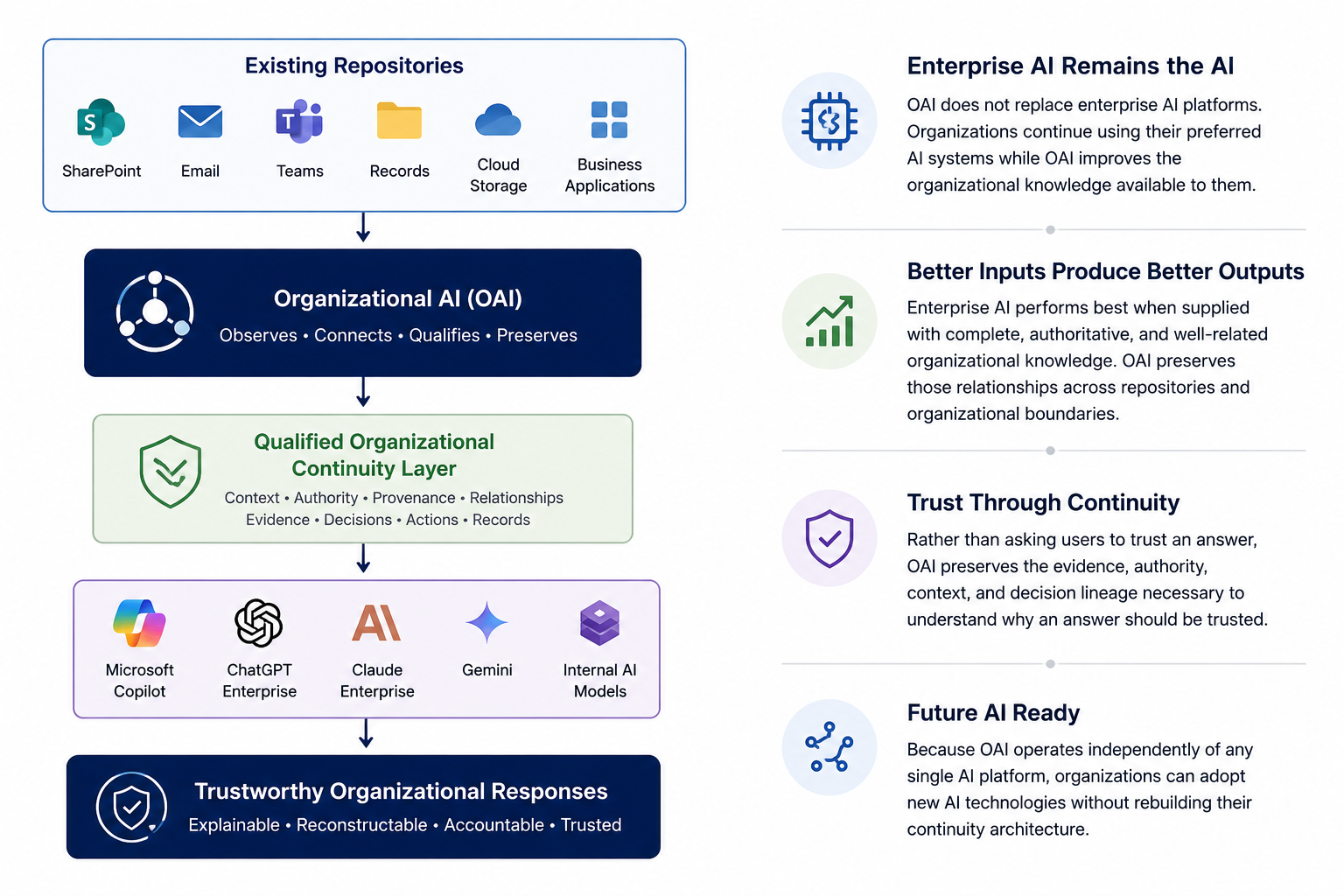
The Attackers Preserved Context Better Than the Enterprise Preserved Authority.
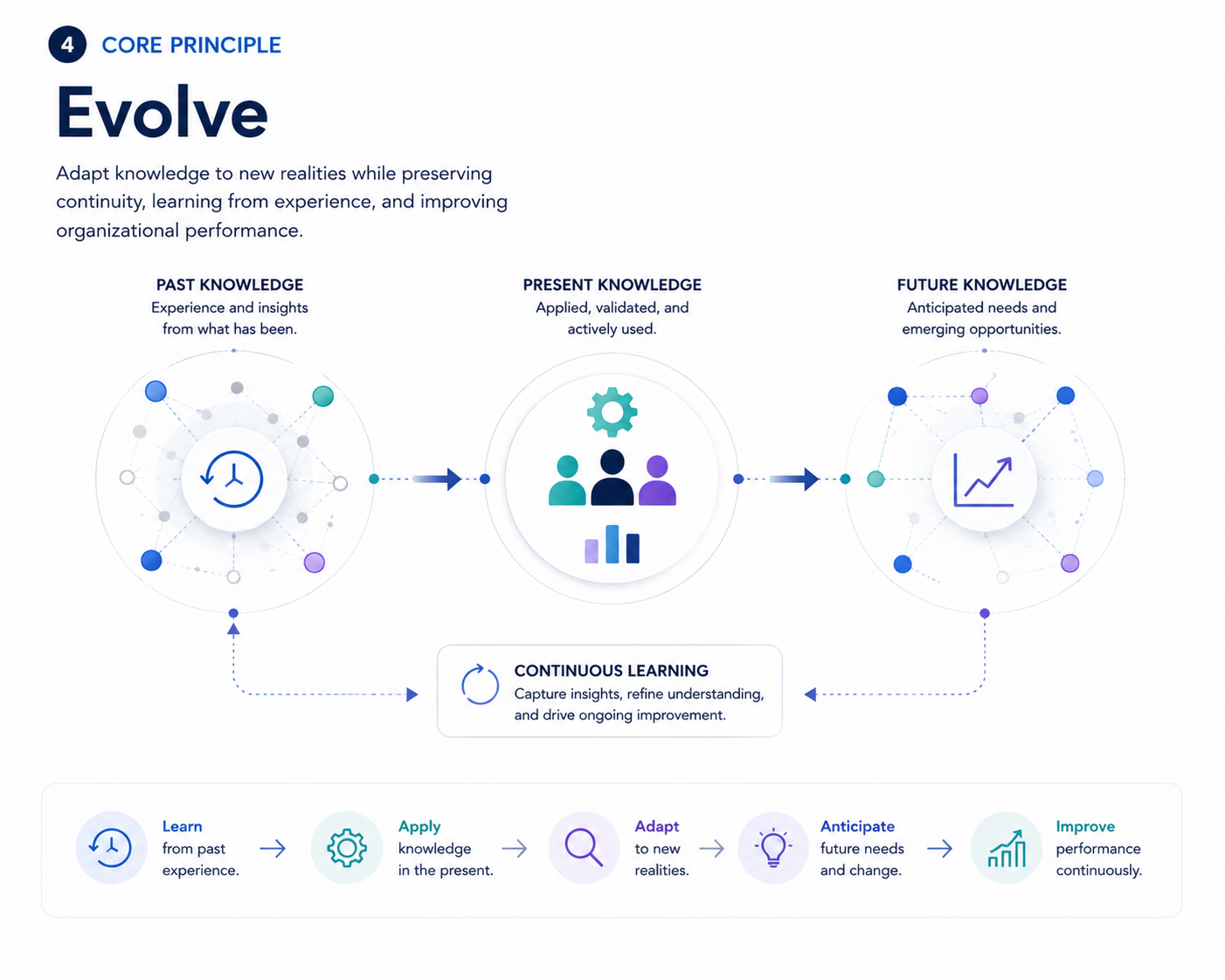
The Database Survived the Upgrade. The Memory Didn’t.