Research That Makes Organizational Continuity Testable
GovKM research examines how context, evidence, authority, decisions, actions, records, and institutional memory remain connected across organizational change. The purpose is to turn Continuity Science into a traceable, falsifiable, and continuously improved body of knowledge.
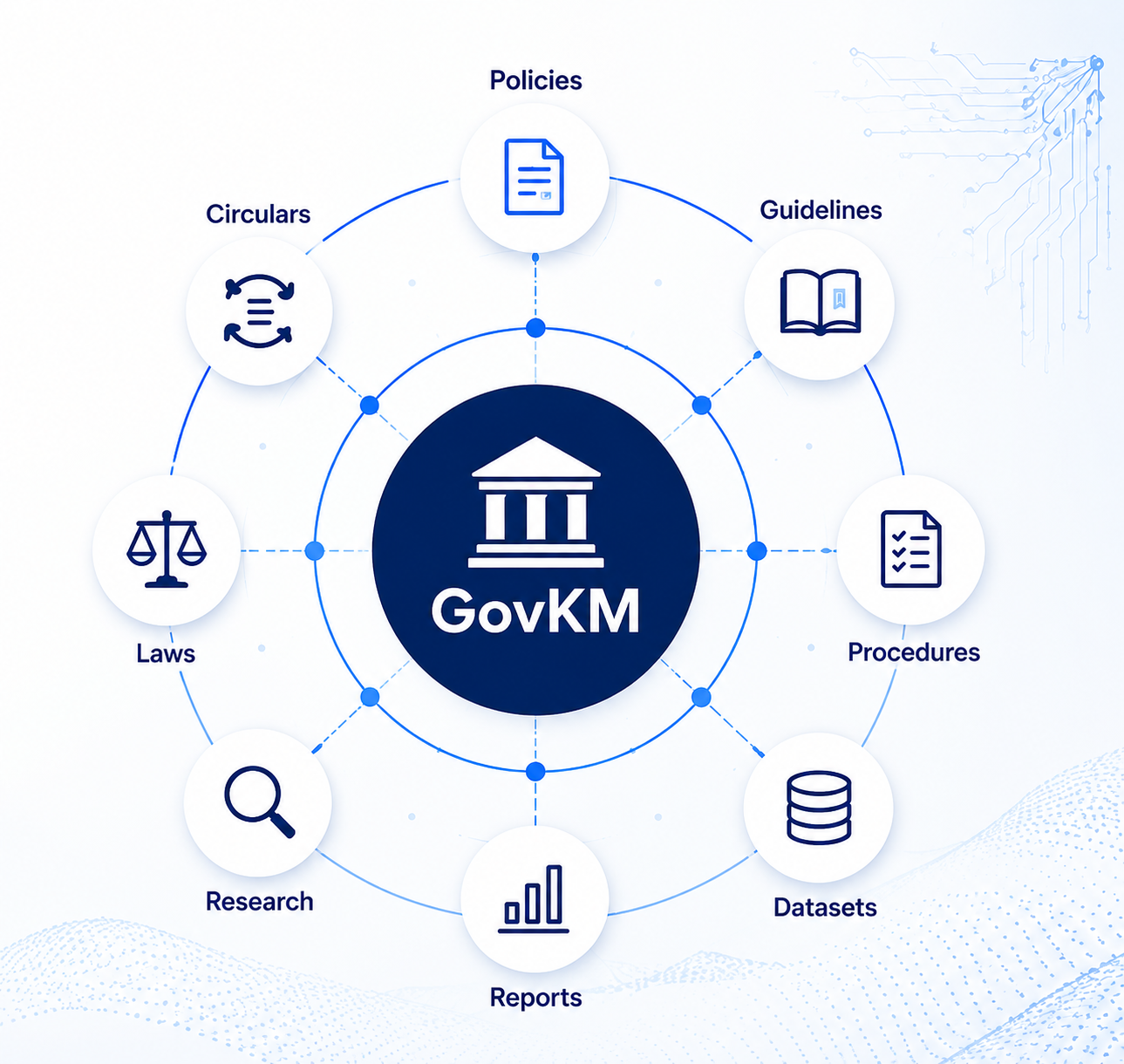
Evidence Before Opinion
GovKM research distinguishes doctrine, observation, interpretation, and validated findings. Claims remain connected to their sources, assumptions, methods, limitations, and revision history.
Traceable Evidence
Every finding should identify its source, provenance, authority, context, and date.
Controlled Interpretation
Continuity interpretations remain distinguishable from observed facts and open to review.
Living Inquiry
New evidence may refine or supersede earlier conclusions without losing lineage.
A Structured Inquiry Into Organizational Continuity
The research program connects observed organizational conditions to doctrine, operational architecture, governed artificial intelligence, and visual continuity models.
Government Case Studies
Examine how public institutions preserve authority, records, decisions, and service continuity through structural change.
Enterprise AI Incidents
Analyze retrieval failures, hallucinations, rollbacks, and governance breakdowns as evidence of continuity risk.
Continuity Science and Doctrine
Develop testable principles for reconstructing organizational context and sustaining institutional memory.
Governance and Records Evidence
Study provenance, custody, policy authority, and records controls that make organizational knowledge defensible.
OrgAI Operational Research
Test how governed continuity services connect repositories, people, evidence, decisions, and artificial intelligence.
GAIB Visualization Research
Explore visual and interactive methods for making continuity relationships legible, navigable, and reviewable.
Published Evidence and Analysis
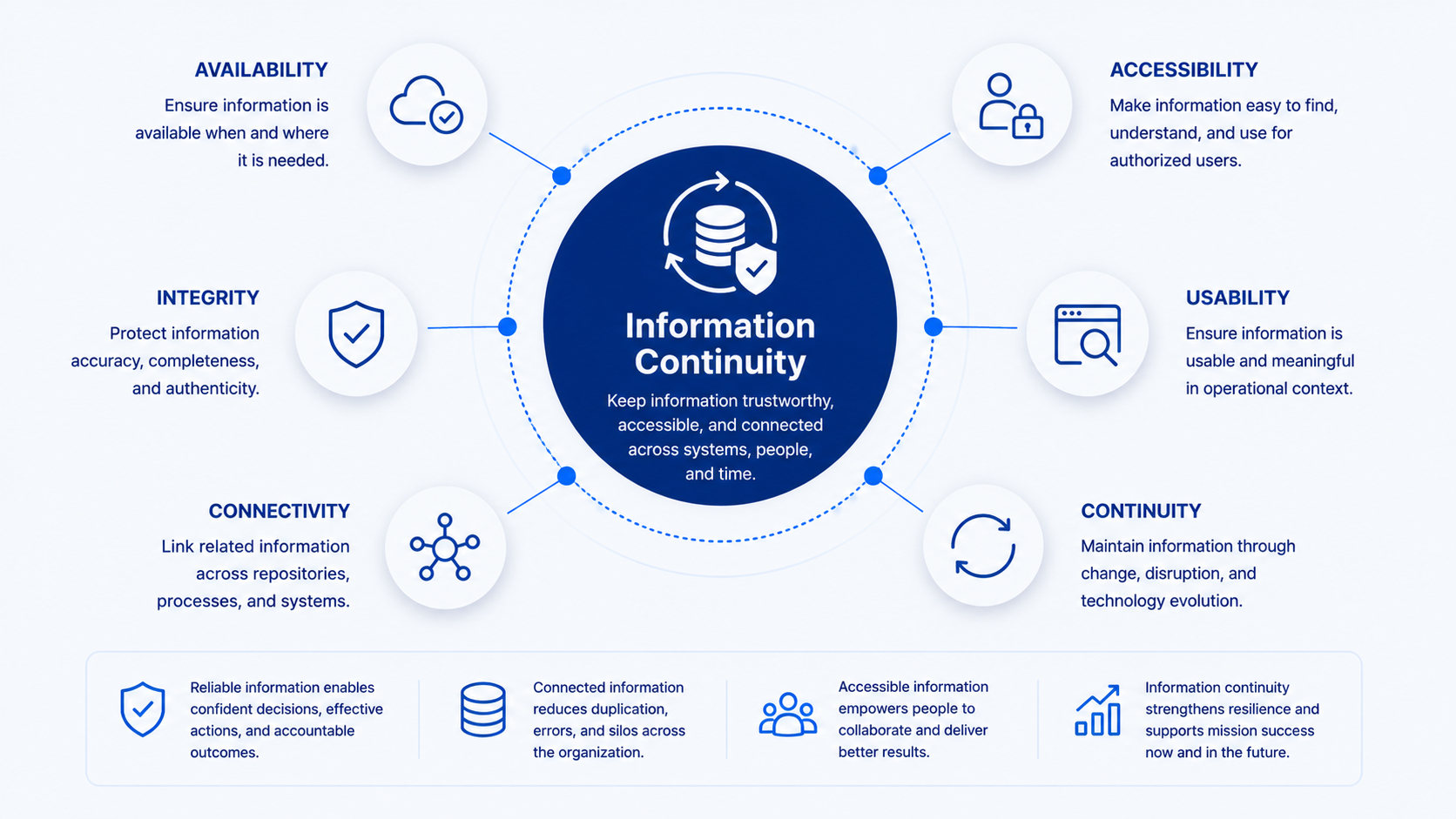
COOP Keeps Government Operating. But What Keeps Its Information Continuous?
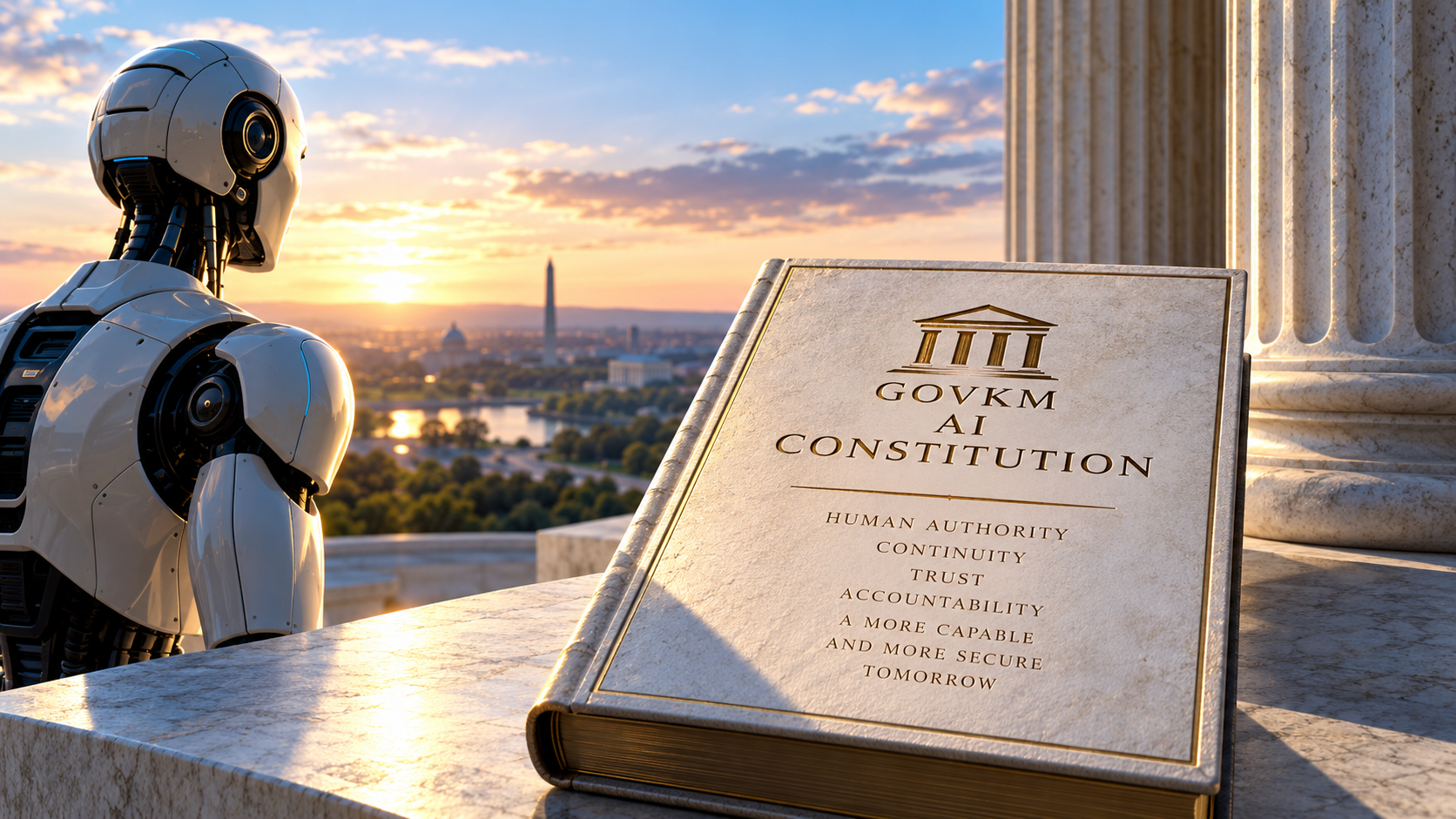
AI Needs Freedom. Freedom Needs a Constitution.

Voyager: From Preserved Correction Evidence to Correct Operative State
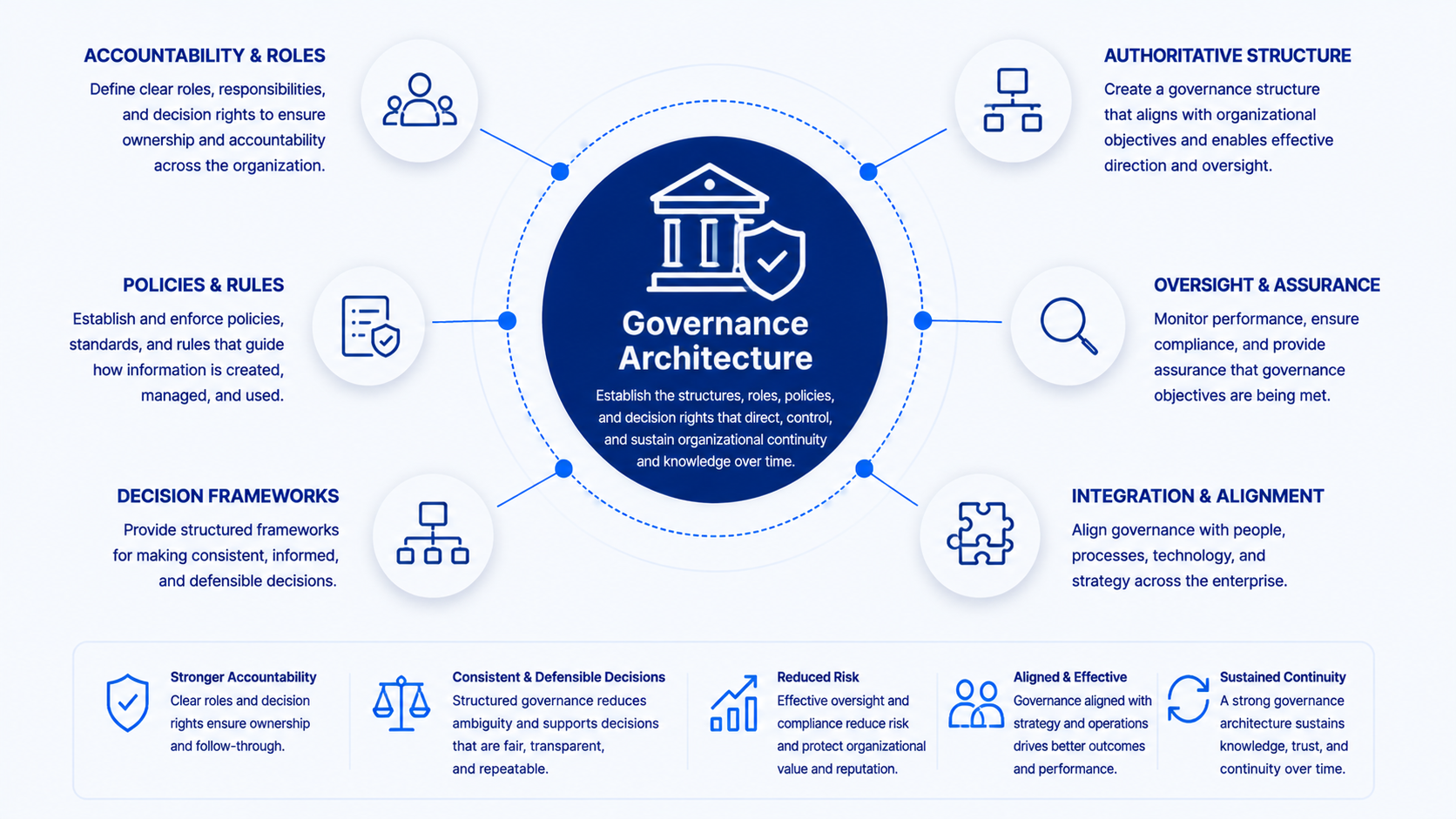
The Rule Existed. The Institution Could Not Prove the Decision Followed It.
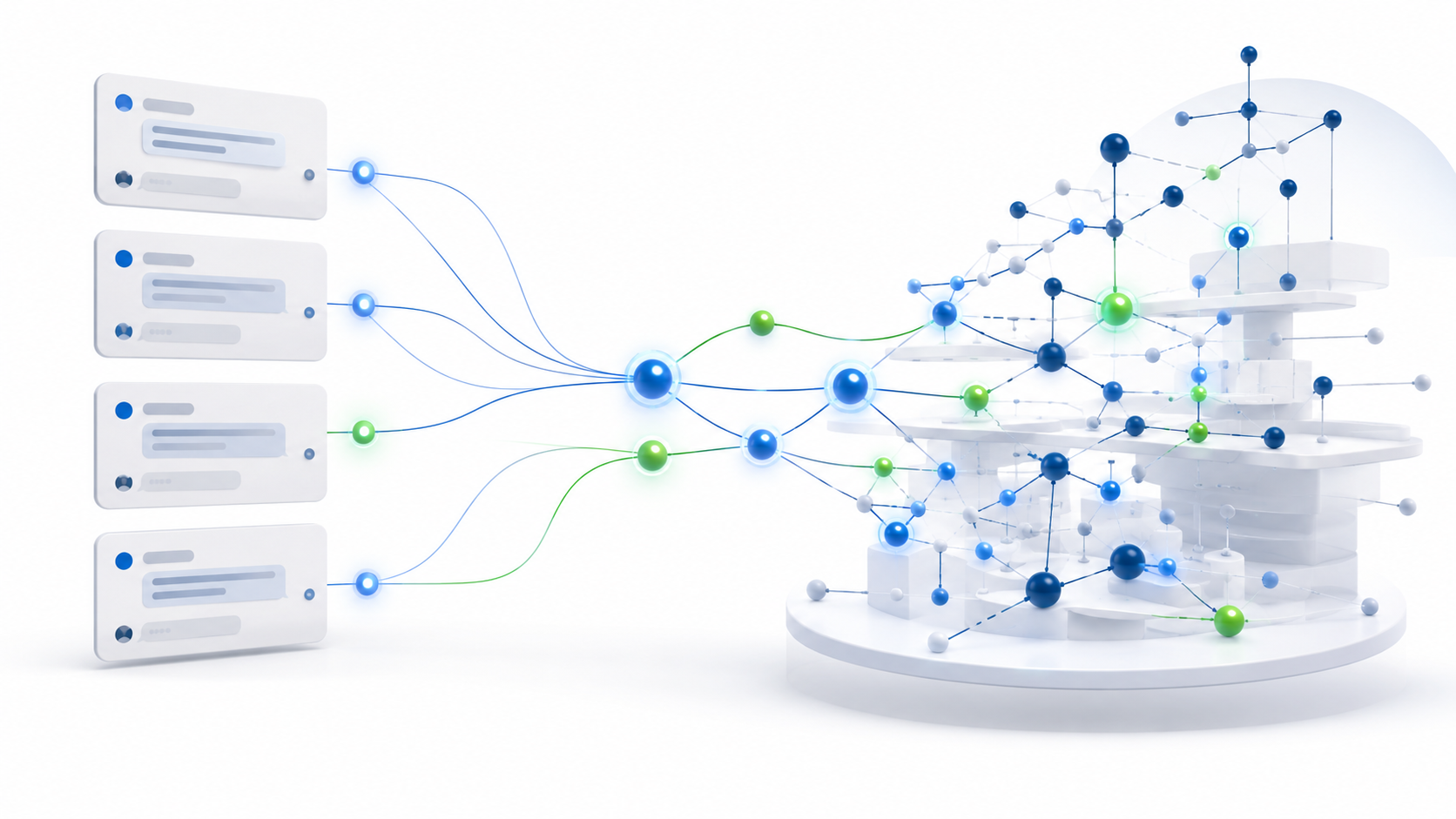
Your AI History Is Not Yet a Knowledge System
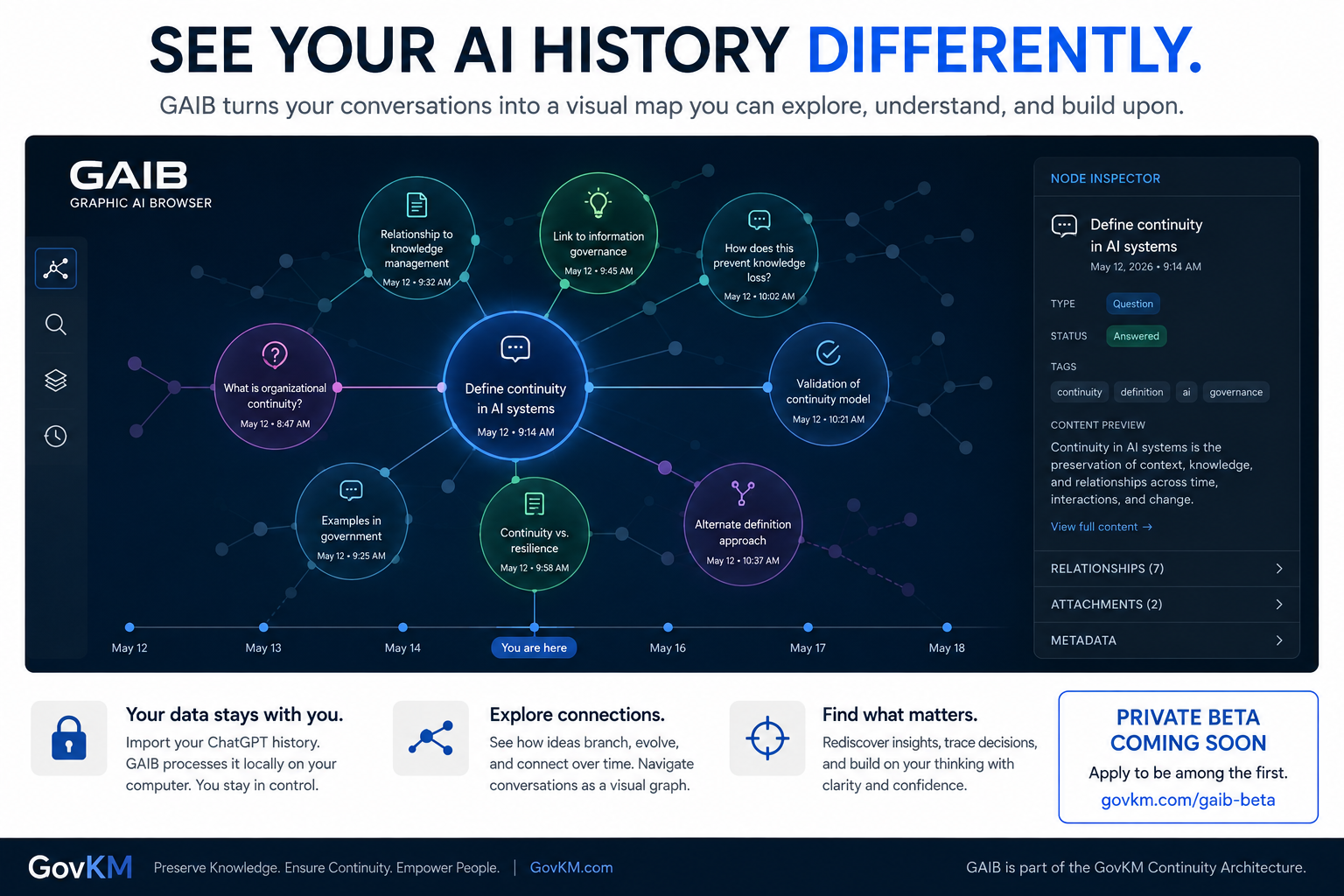
Your AI History Is Becoming Memory. Why Can't You See It?
A Living Record of Continuity Failure and Recovery
Observed events test doctrine against operating reality. GovKM separates reported facts, interpretation, governance implications, and validation status so each record can be reviewed and revised.
Observation Reports
The Observation Reports collection is established and awaiting its first validated records. Future reports will preserve event context, evidence, interpretation, governance implications, and verification status.
Enterprise AI Incident Evidence
Documented AI failures, rollbacks, retrieval breakdowns, and governance incidents are analyzed for recurring continuity patterns.
How GovKM Research Establishes Trust
The method protects the distinction between what was observed, what was inferred, what was validated, and what remains uncertain.
1. Observe
Capture the event, environment, actors, repositories, records, decisions, and chronology without collapsing evidence into interpretation.
2. Qualify
Assess provenance, authority, completeness, recency, constraints, and known gaps in the available evidence.
3. Interpret
Relate qualified evidence to Continuity Science while stating assumptions, alternatives, and limits.
4. Preserve and Revise
Maintain lineage, review findings, record changes, and promote conclusions only through explicit governance.
A conclusion is not canonical because it is persuasive. It becomes authoritative only through evidence, provenance, review, and explicit promotion.
Questions That Keep Continuity Science Moving
These questions define active inquiry rather than predetermined conclusions.
Reconstructable Knowledge
Which continuity relationships are required for organizational knowledge to remain reconstructable?
Continuity Debt
How can continuity debt be measured before it causes operational or institutional loss?
Reliable Artificial Intelligence
When does incomplete continuity make an AI-generated answer operationally unreliable?
Visible Governance
How should OrgAI and GAIB expose uncertainty, authority, provenance, and competing interpretations?
Contribute Evidence to Continuity Science
Share a case, incident, dataset, or research question that can strengthen the evidence base for Organizational Continuity.