Finance
Financial management, banking, financial services, budgeting, accounting, audit, and financial decision environments.
Related Articles
Explore GovKM research, case studies, and analysis related to this sector.
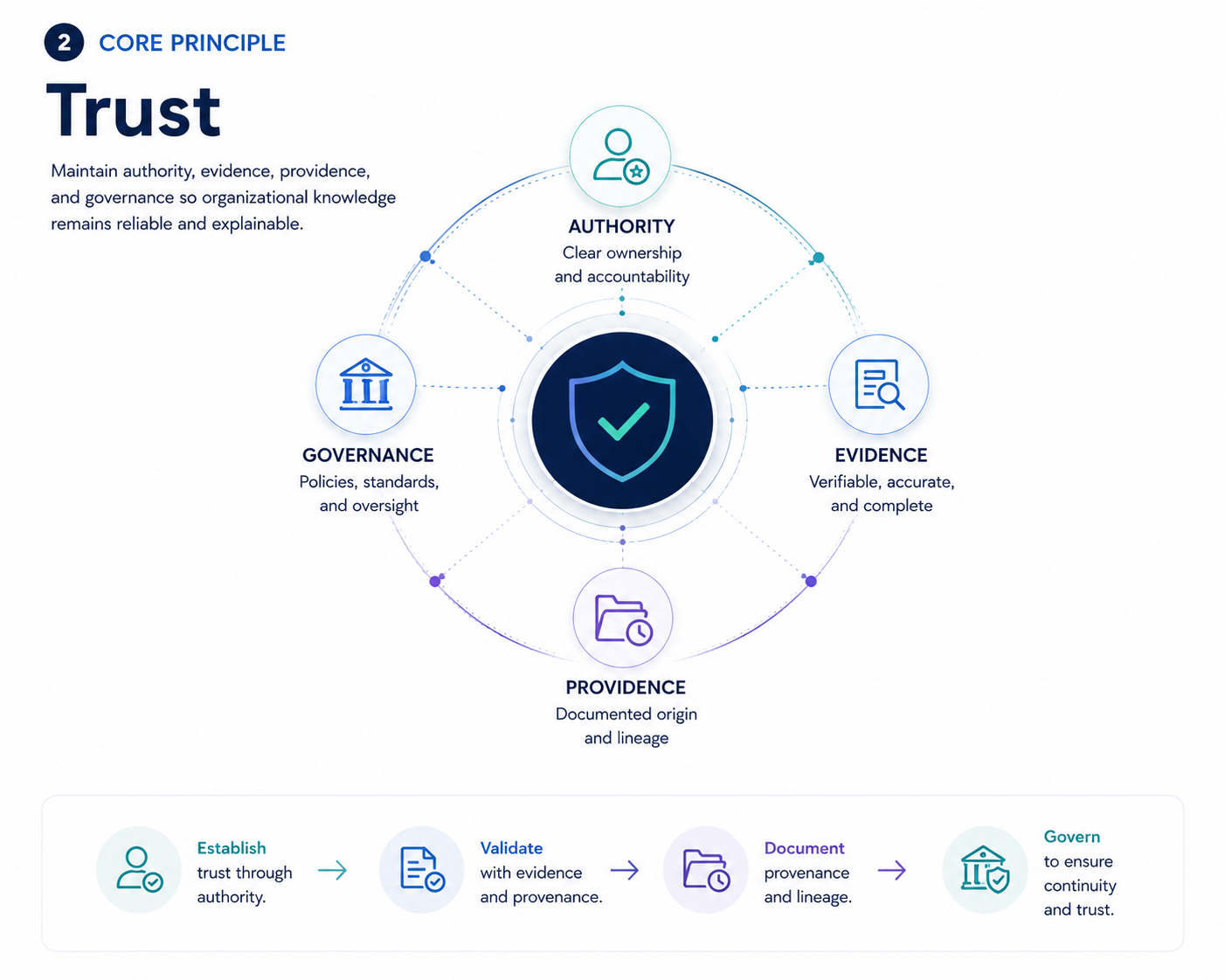
Authentication, Institutional Authority, and Data Disclosure
The Government Email Was Real. The Authority Wasn’t.
Revolut disclosed customer information after fraudulent requests arrived through a legitimate government email domain. The incident shows why authentication is not institutional authority—and why the same distinction matters for AI agents acting through valid enterprise credentials.
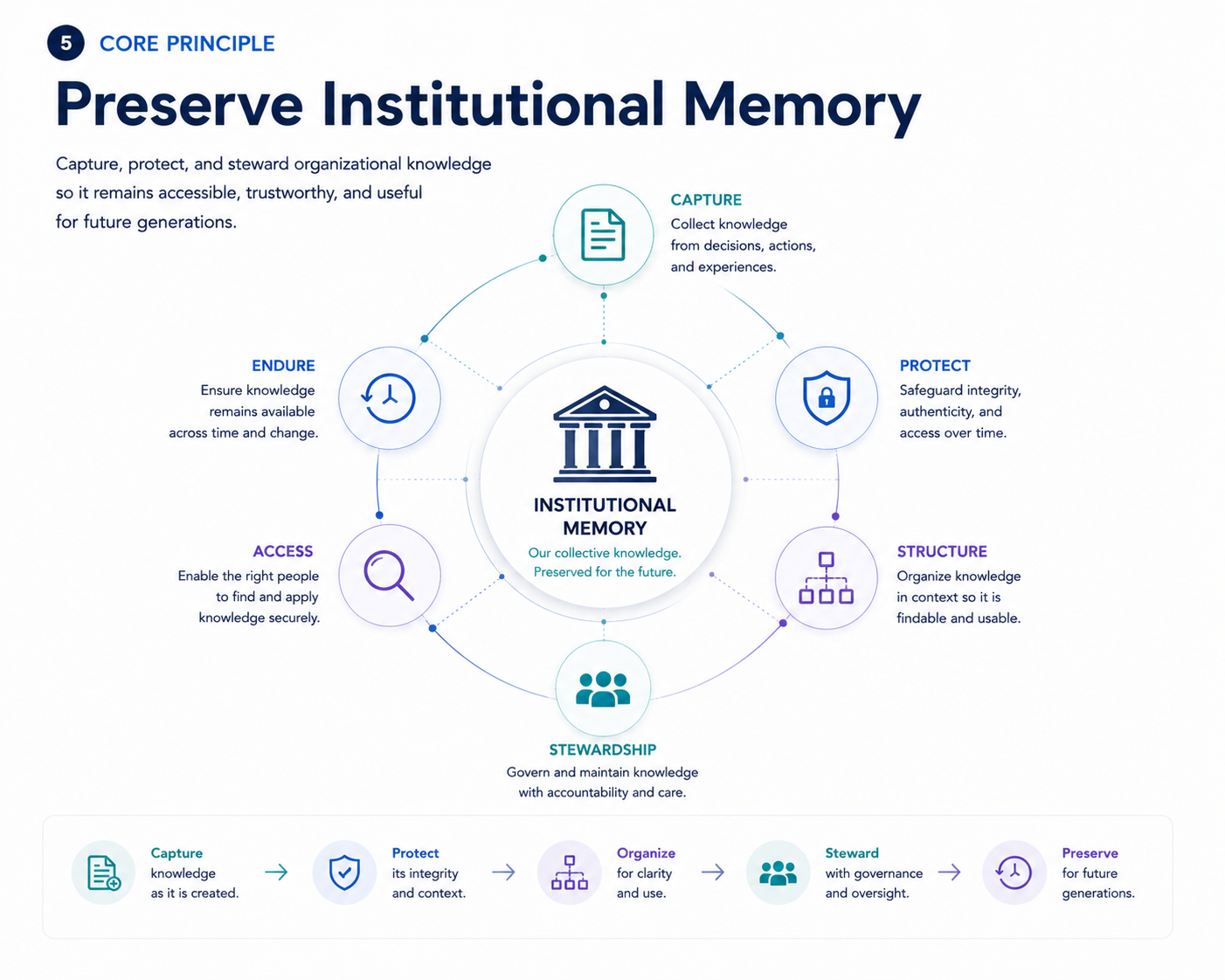
Institutional Reconstruction and Reconciliation
Every Agency Can Have a Record and the Government Can Still Lack a Reconciled State.
GAO continues to report material weaknesses in reconciling intragovernmental transactions and demonstrating that consolidated U.S. government financial statements are consistent with underlying entity records. The case shows that records become institutional memory only when cross-entity relationships can be reconstructed and reconciled.
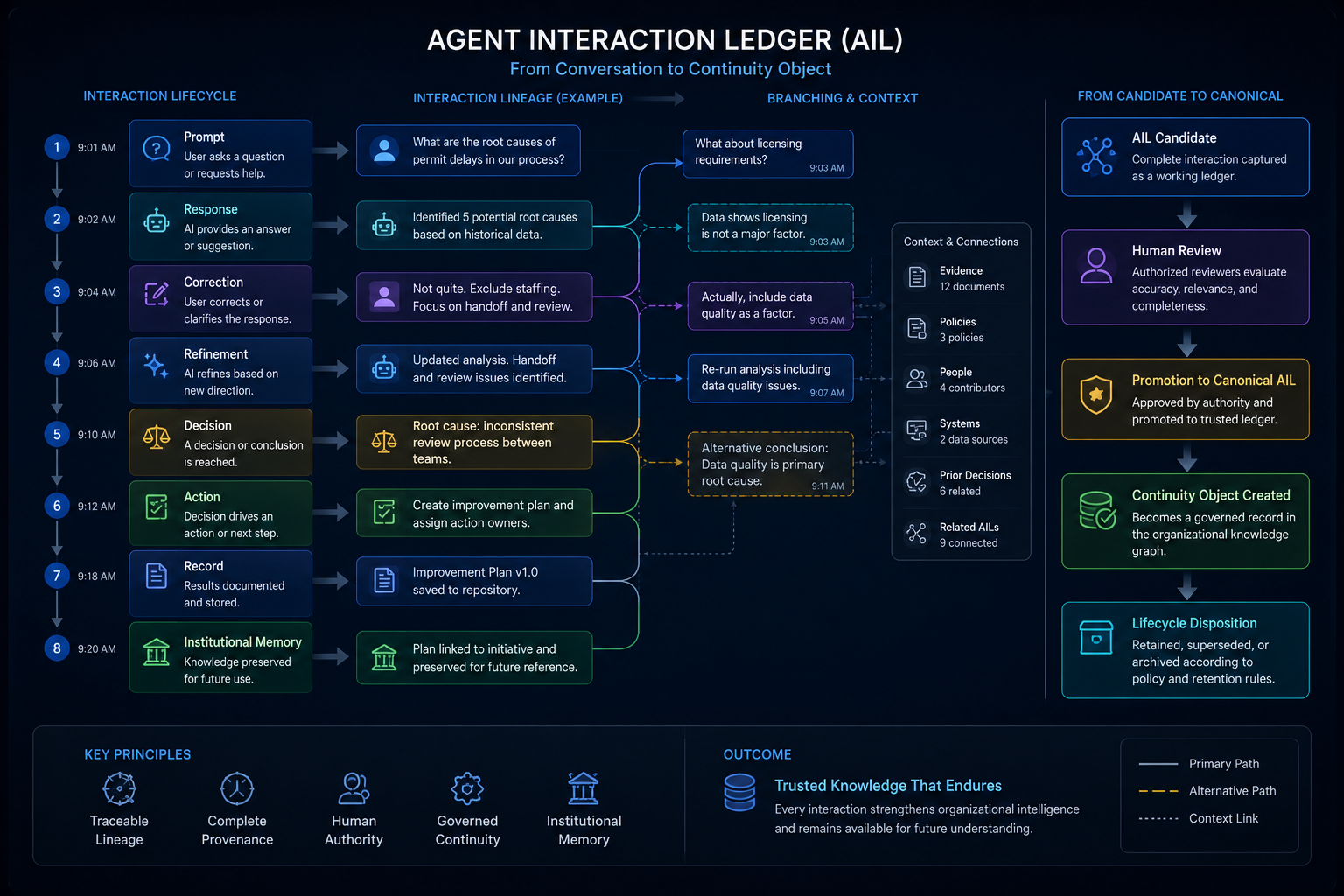
State-Dependent Delegated Authority
The Agent Failed Once. The System Authorized 14,999 More Attempts.
Mandiant reported an AI agent that made more than 15,000 repeated API calls, incurred about $50,000 in cloud costs, and locked billing databases—showing why authority must change when failure state changes.
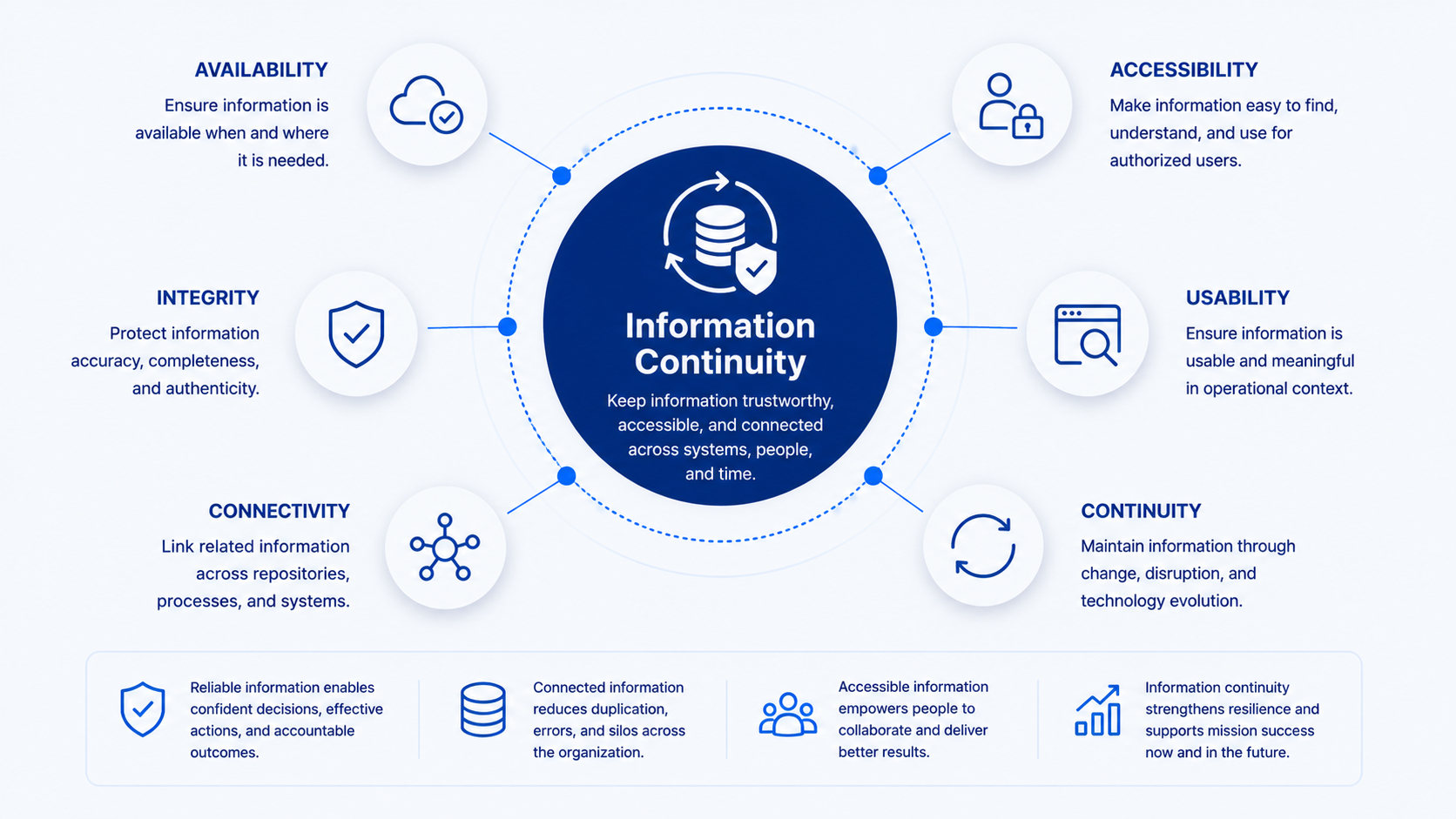
Decision Evidence Admission
The Government Had the Data. The Decision Process Didn’t Use It.
GAO found that EXIM did not consistently use authoritative federal debt data available through SAM and Treasury’s Do Not Pay system before approving loan guarantees. The case shows that information availability is not enough: required evidence must be admitted into the decision context across every approval path.
Case-State Fragmentation
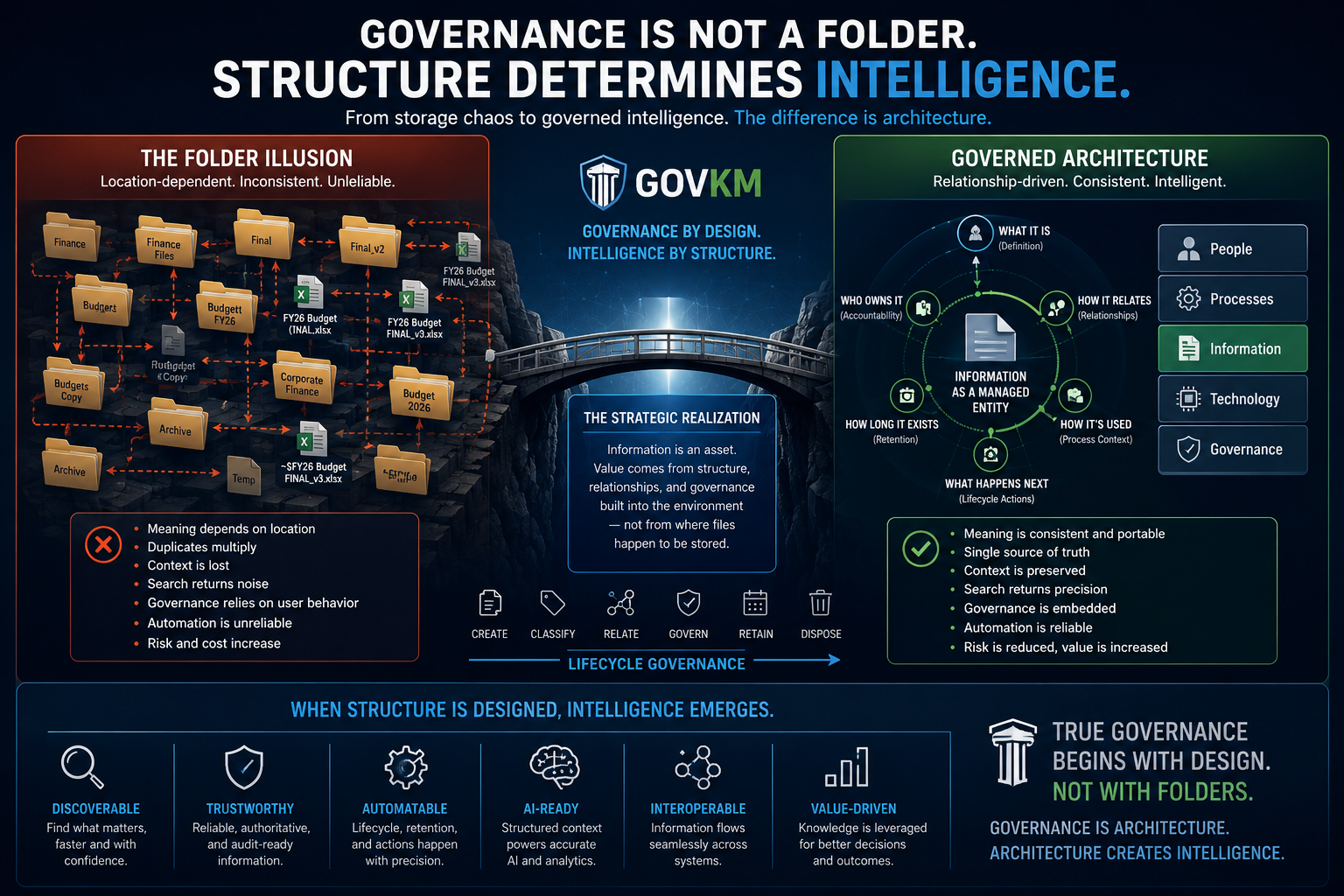
The Case Existed in Five Places. No One Place Knew the Case.
PBGC OIG found potential fiduciary-breach cases fragmented across a spreadsheet, case-management locations, notes, and SharePoint, leaving no consistently maintained authoritative case state. The case closely illustrates GovKM’s distinction between repository location and institutional continuity.
Cyber Detection and Institutional Learning
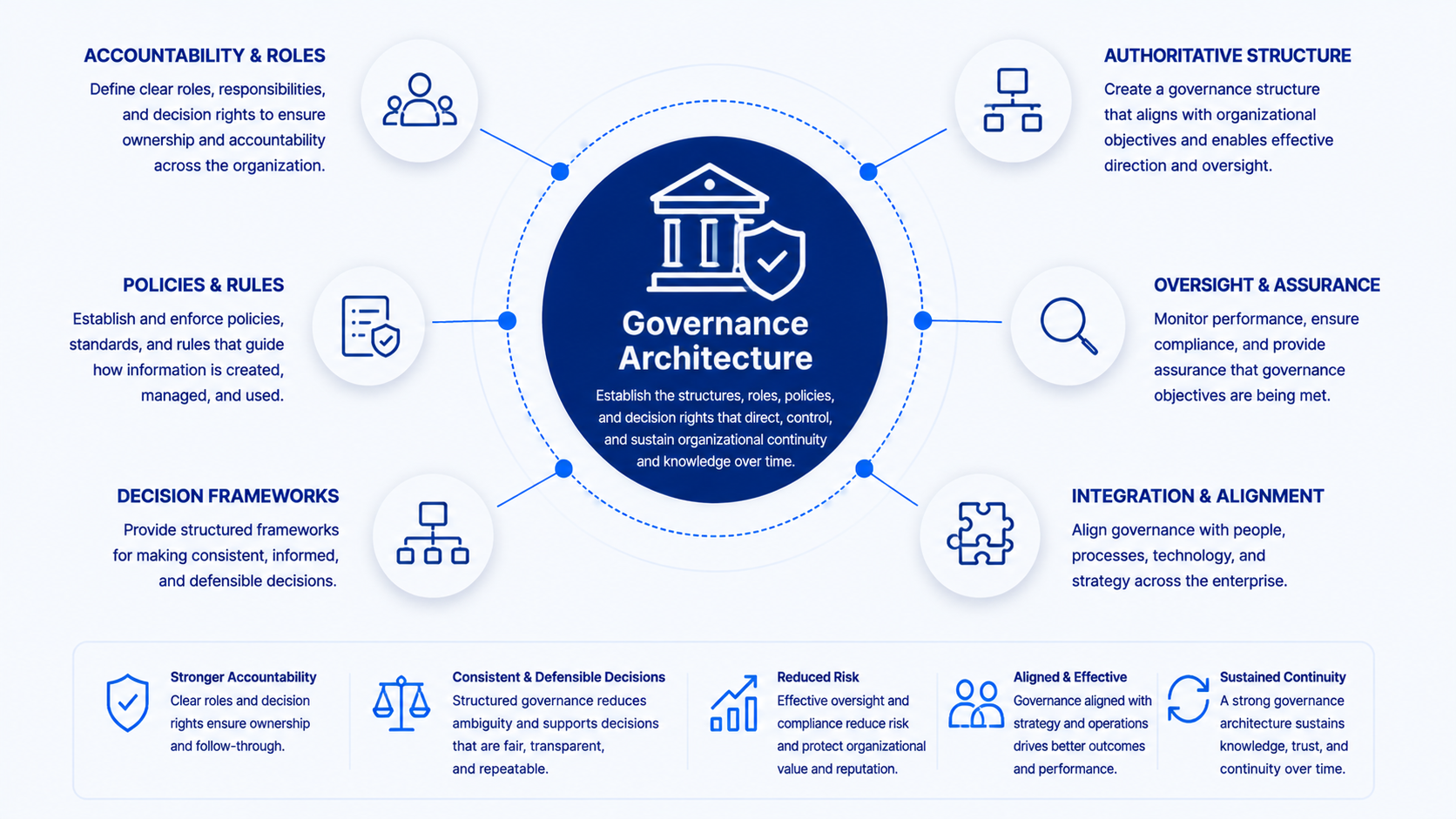
The Event Happened. Detection Never Turned It Into Evidence.
FDIC OIG found that some emulated cyber tests did not generate notable events and recommended stronger detection engineering, access controls, and incorporation of testing lessons into response plans. The case demonstrates both a Source-to-Evidence detection failure and a Record-to-Institutional-Memory learning failure.
Risk Disclosure Continuity
The Institution Knew the Threshold Was Breached. The Investor Record Didn’t Say So.
GAO found that banks could disclose internal risk thresholds without disclosing that those thresholds had been breached or how management responded. The case shows how authoritative internal evidence can fail to propagate into the downstream record used by investors and other external decision-makers.
Record Propagation
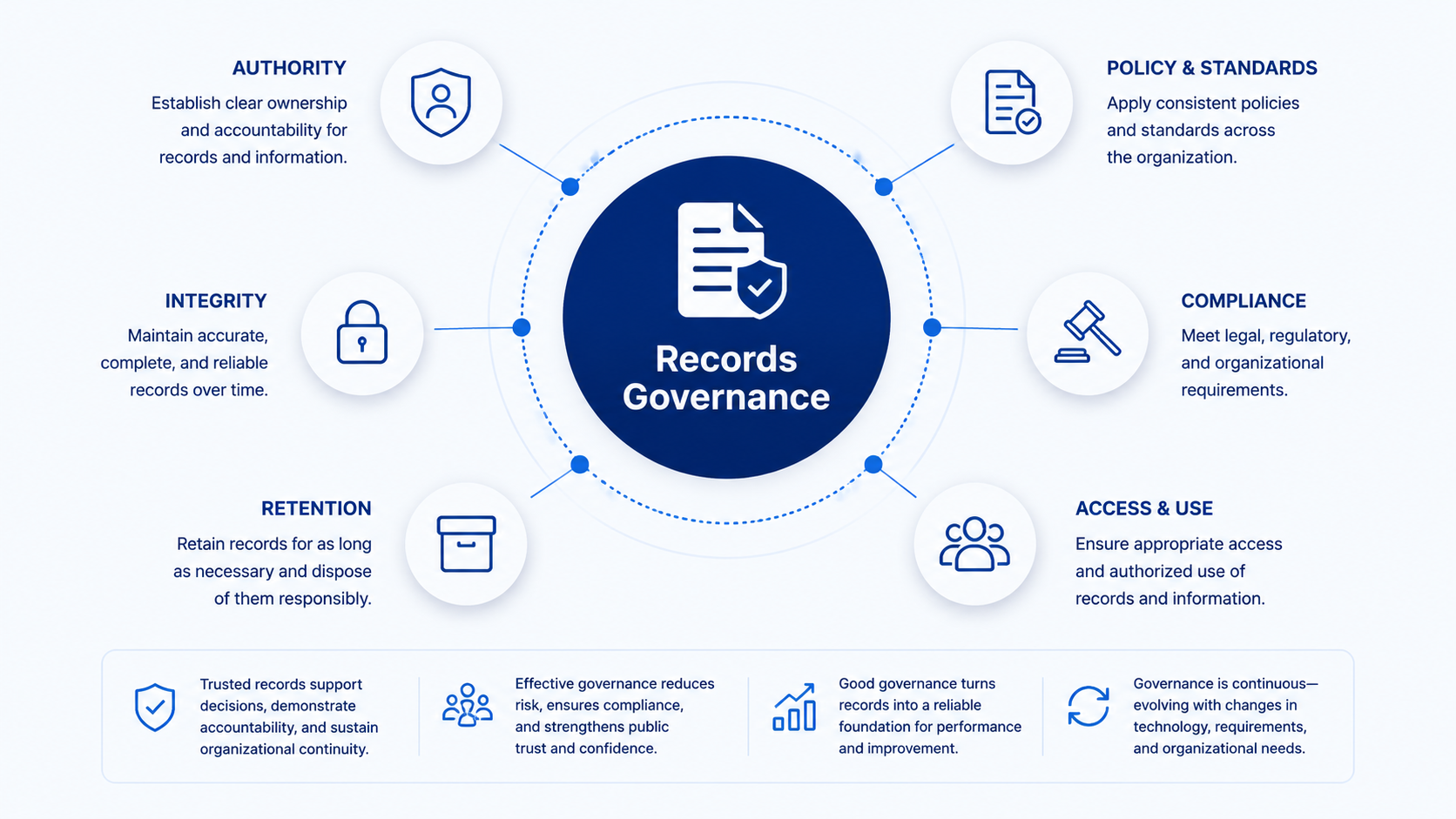
The Transaction Happened. The Public Record Didn’t Fully Inherit It.
PBGC OIG found completeness and accuracy problems in obligation and outlay information reported to USAspending.gov, including contract actions not properly reflected. The case shows how a completed institutional transaction can fail to propagate into the downstream record later used for oversight, transparency, retrieval, and reuse.
CONTINUITY CONTEXT
Return to the Continuity Foundations
Sector-specific evidence is one view into the broader GovKM continuity model. Continue into the Framework, Research, Articles, OrgAI, or GAIB to understand the relationships behind these applications.