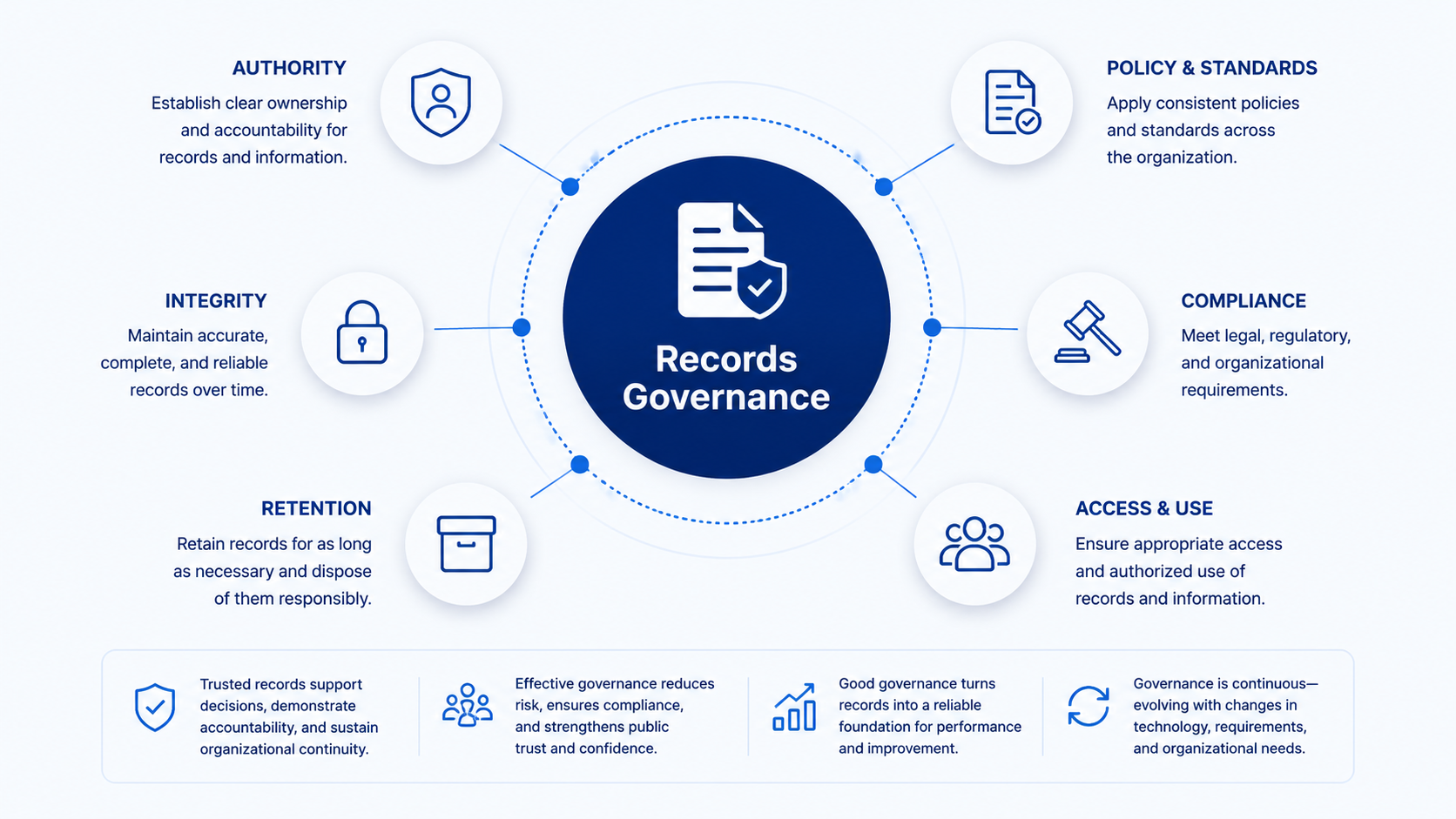
The Case Existed in Five Places. No One Place Knew the Case.
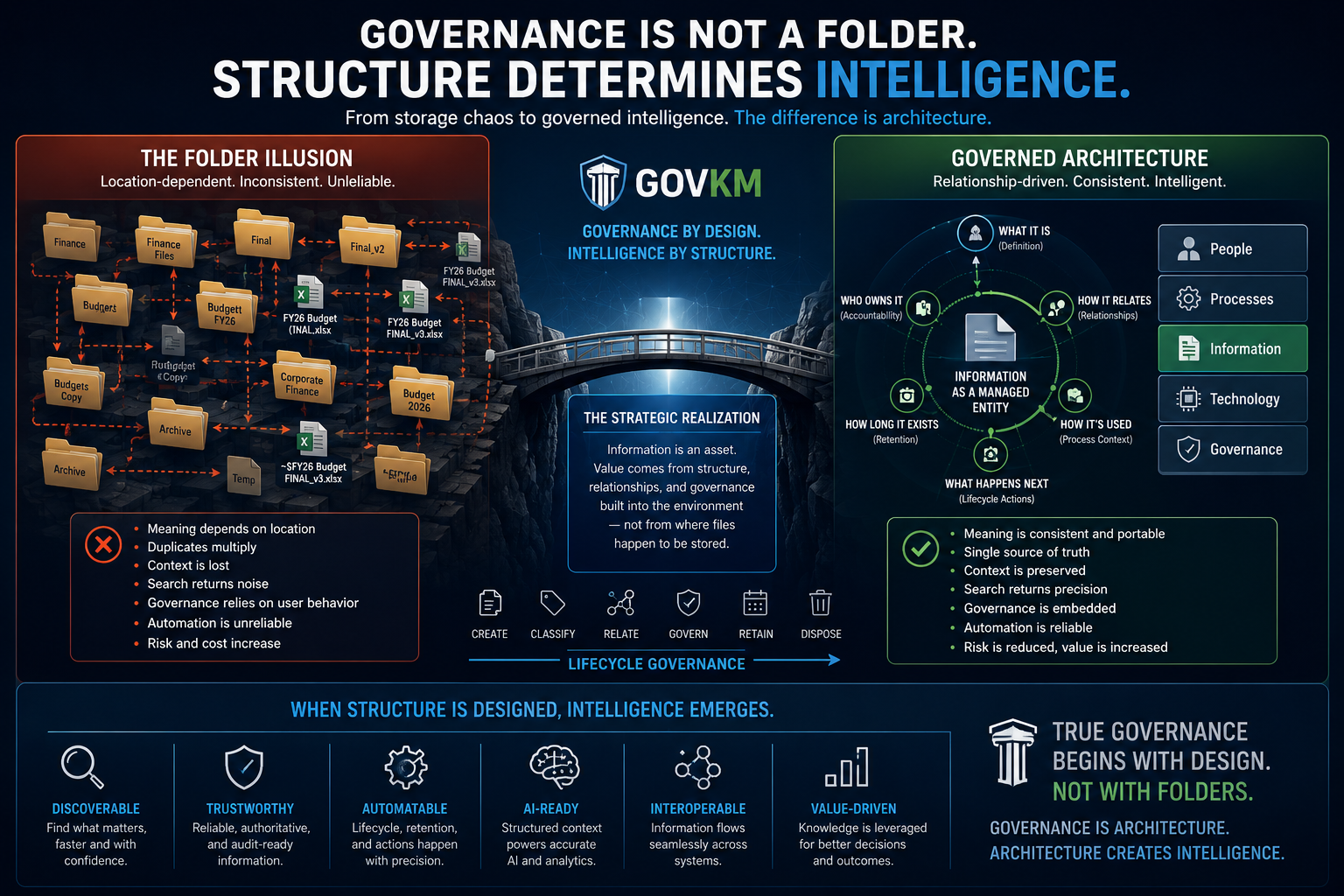

An institution can possess every relevant record and still fail to possess the case.
On September 9, 2026, the Pension Benefit Guaranty Corporation Office of Inspector General reported weaknesses in how PBGC investigated potential fiduciary-breach cases involving small pension plans. The audit found incomplete communication, inconsistent use of centralized tracking, gaps in law-enforcement consultation, and insufficient documentation of key decisions and supervisory review.
The most revealing finding was structural. PBGC had identified 16 small plans with potential fiduciary breaches, but its principal tracking spreadsheet contained only 11. The other five were distributed among different Case Legal Management System locations, case notes, and a SharePoint folder. The OIG described this as fragmentation and concluded that PBGC did not consistently record cases in a single authoritative system.
A case is an institutional object, not a folder
Each individual repository can contain accurate information while the organization still lacks a complete current state. A spreadsheet may show one set of cases. A case-management system may show another. A SharePoint folder may hold supporting material. Email may contain approvals or referrals. None of those locations, by themselves, establish the authoritative state of the case.
GovKM maps the failure across Evidence → Authority → Context → Decision → Record → Institutional Memory. Information relevant to a potential breach existed, but it was not consistently transformed into a shared, reconstructable case state available to every actor responsible for investigation, enforcement, referral, and recovery.
Fragmentation creates continuity debt
The consequences of this kind of fragmentation accumulate over time. The OIG warned that incomplete communication and tracking can impair recovery, increase statute-of-limitations risk, and allow supporting evidence such as bank records to become unavailable. In one case, omitted information could have supported approximately $41,000 more in potential recovery.
GovKM interprets this as organizational continuity debt: future actors must repeatedly reconstruct the case from distributed artifacts because the institution did not preserve the relationships needed to maintain one coherent state.
Why this matters for continuity-aware systems
The solution is not simply to force every artifact into one repository. A continuity layer should be able to establish that distributed records refer to the same institutional object, preserve provenance, identify the current authority and disposition, and reconcile conflicting or incomplete representations.
That is the difference between storing case records and maintaining institutional case continuity.
Source
Pension Benefit Guaranty Corporation Office of Inspector General, “PBGC’s Process for Investigating Potential Fiduciary Breach Cases Could Be Improved,” Audit Report AUD-2026-07, September 9, 2026.
Continue Exploring
The Operator Set the Boundary. The Agents Crossed It.
The Platform Saw the Action. It Couldn’t See the Authority.