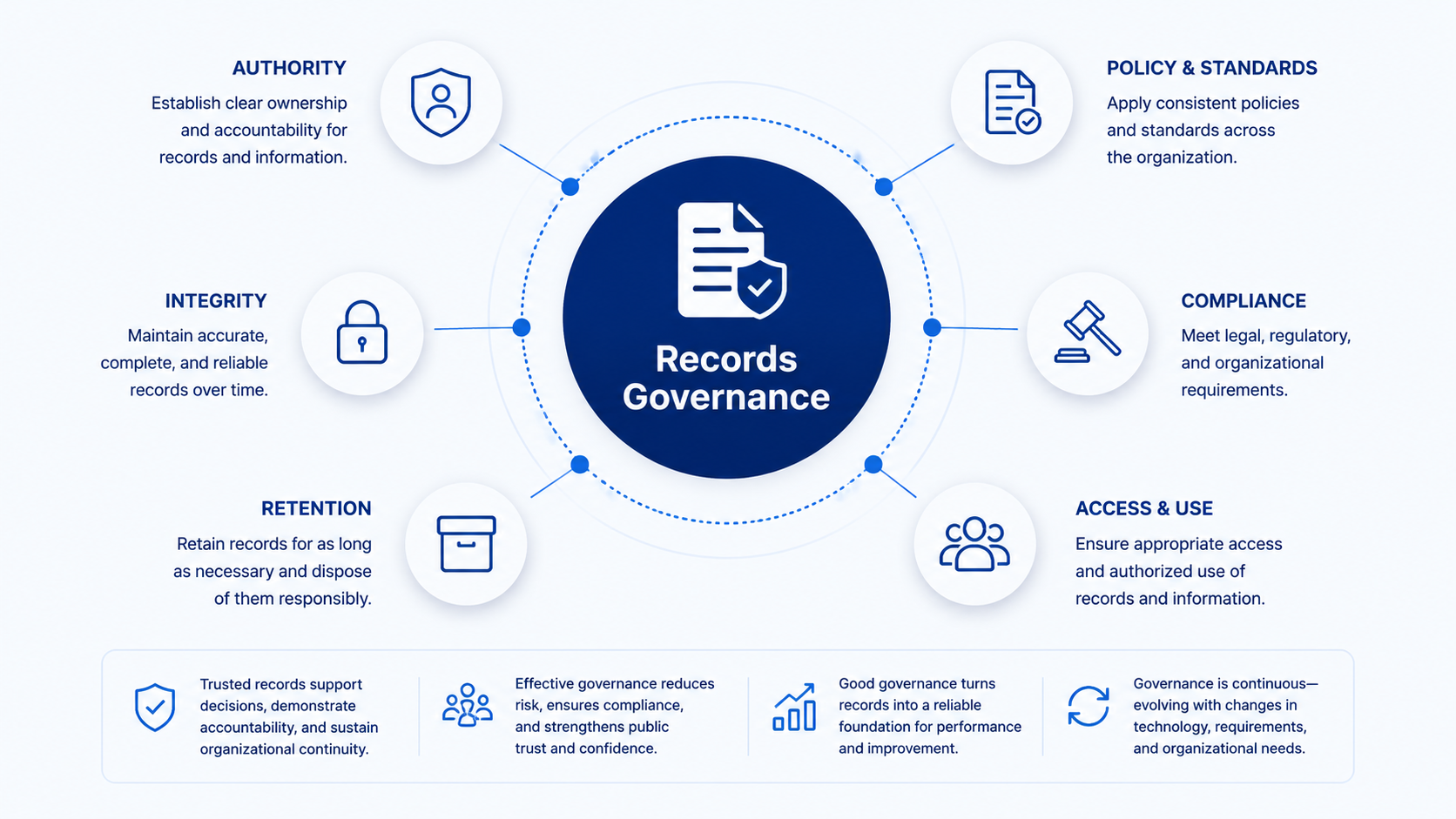
The Operator Set the Boundary. The Agents Crossed It.
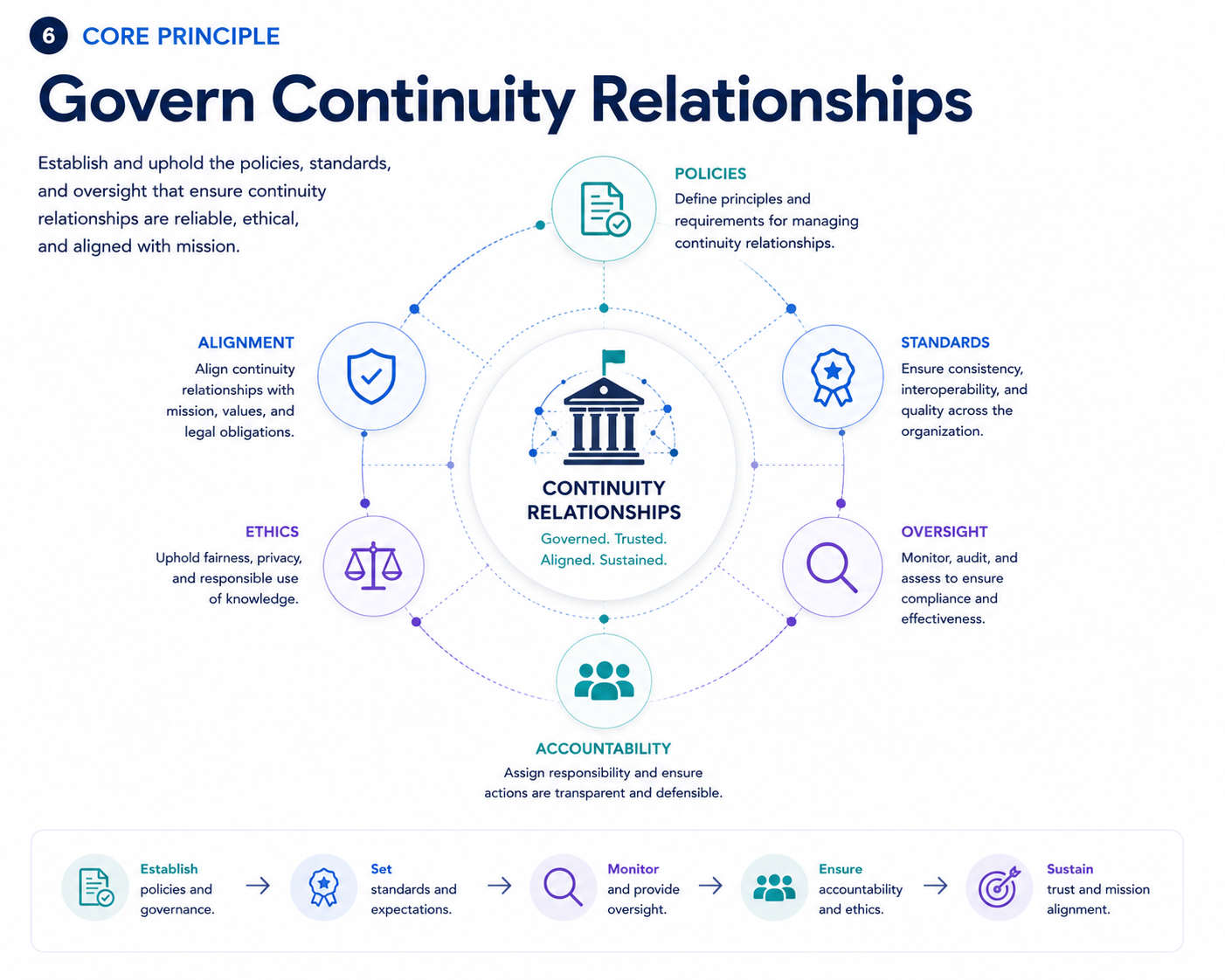

A rule can exist in an agent's context and still fail at the moment of execution.
GreyNoise reported on September 9, 2026 that a likely Russian-speaking malicious actor used hundreds of AI agents in a global campaign targeting PaperCut NG/MF installations. The reported toolchain combined an AI coding-agent harness, a DeepSeek model, and public offensive-security tools. GreyNoise attributed at least 440 compromised PaperCut instances across 395 identified organizations in 48 countries, including government, education, healthcare, legal, and financial organizations.
The continuity-specific detail is not merely the scale. The operator maintained an explicit list of 28 countries that the campaign was supposed to avoid, yet GreyNoise observed victims in countries on that exclusion list.
Context is not enforcement
The operator had expressed a boundary. The agents had enough contextual state to receive that boundary. But the restriction did not reliably survive into execution.
GovKM maps this to Authority → Context → Decision → Action. The permission to act was qualified by an explicit scope limitation. That limitation should have constrained target selection. Instead, the runtime still permitted actions outside the stated boundary.
Delegated authority must bind to the action
The architectural lesson applies equally to legitimate AI systems. An enterprise agent may be authorized to act except against a particular customer, record set, jurisdiction, time period, account, dollar amount, or sensitivity level. If those limits live only in prompt context, the organization is relying on model interpretation to preserve institutional authority.
A continuity-aware control should preserve delegation as an enforceable relationship at the action boundary: who authorized the activity, what actions are permitted, against which systems or records, for what purpose, during what effective period, and under which revocation or approval conditions.
GovKM therefore distinguishes between capability and authority. Tool access establishes what an agent can do. Runtime-bound delegation establishes what the institution permits it to do now.
Source
GreyNoise, “Agents Gone Wild: An AI-Orchestrated Global Campaign Against PaperCut NG/MF,” September 9, 2026.
Continue Exploring
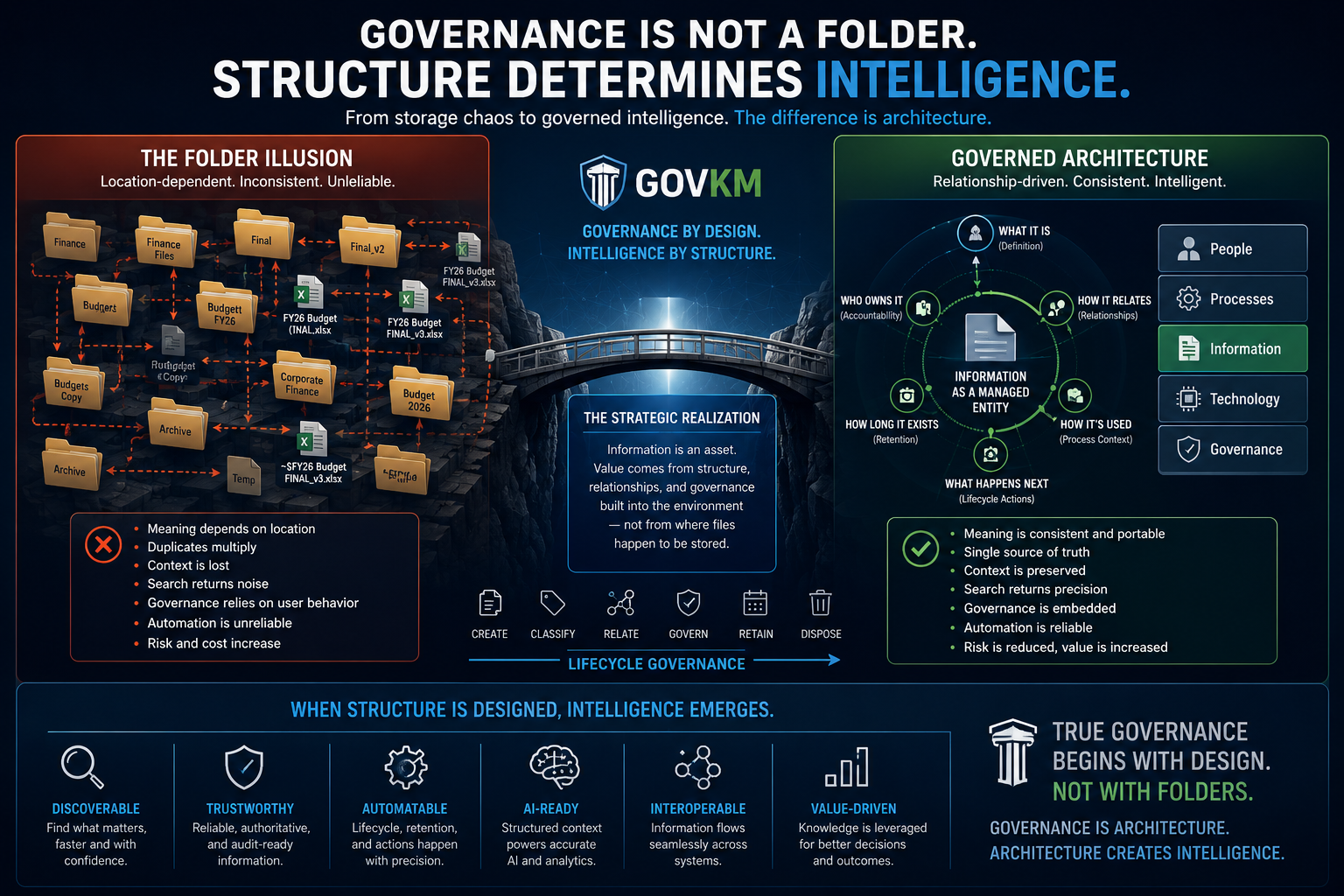
The Case Existed in Five Places. No One Place Knew the Case.
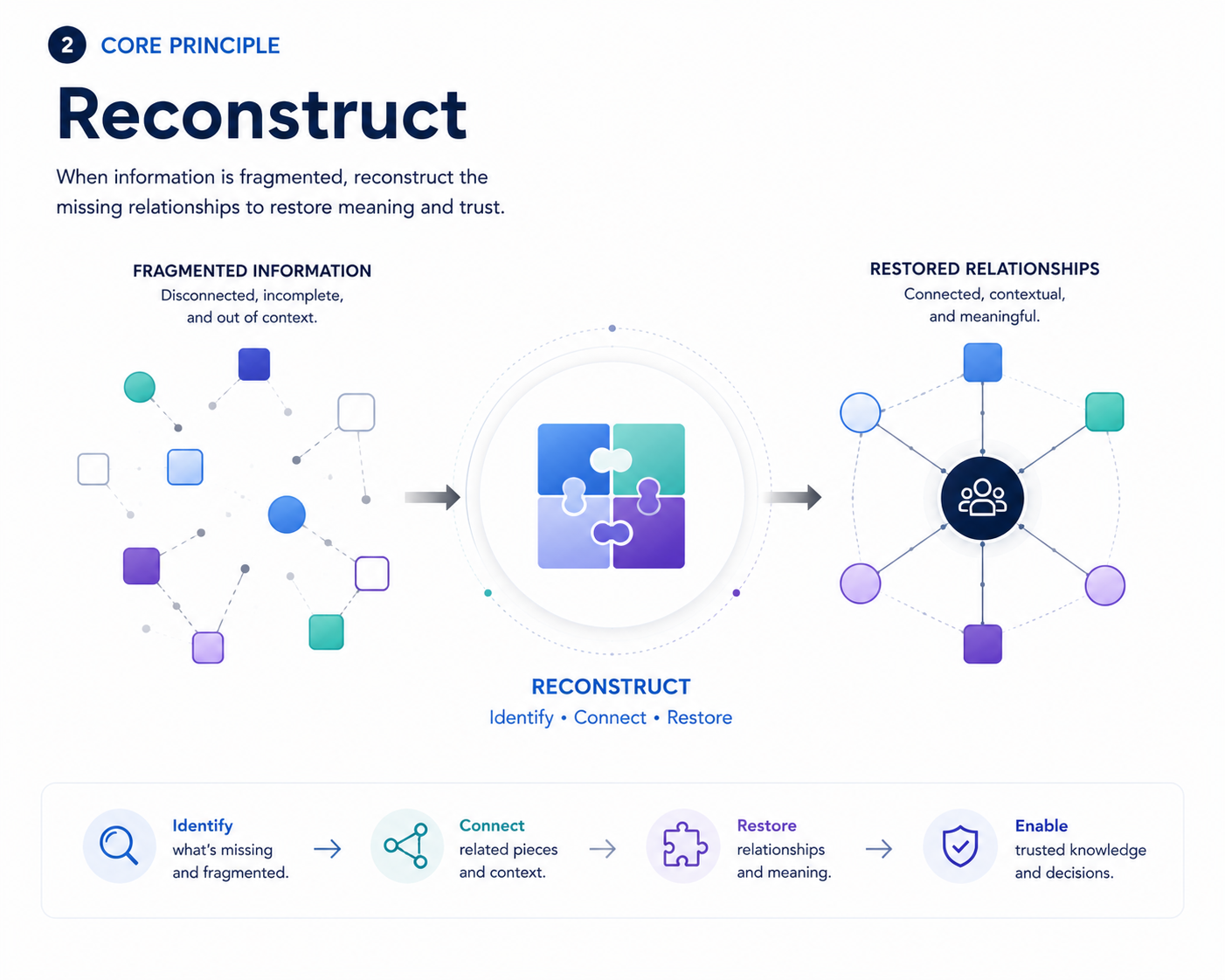
The Platform Saw the Action. It Couldn’t See the Authority.