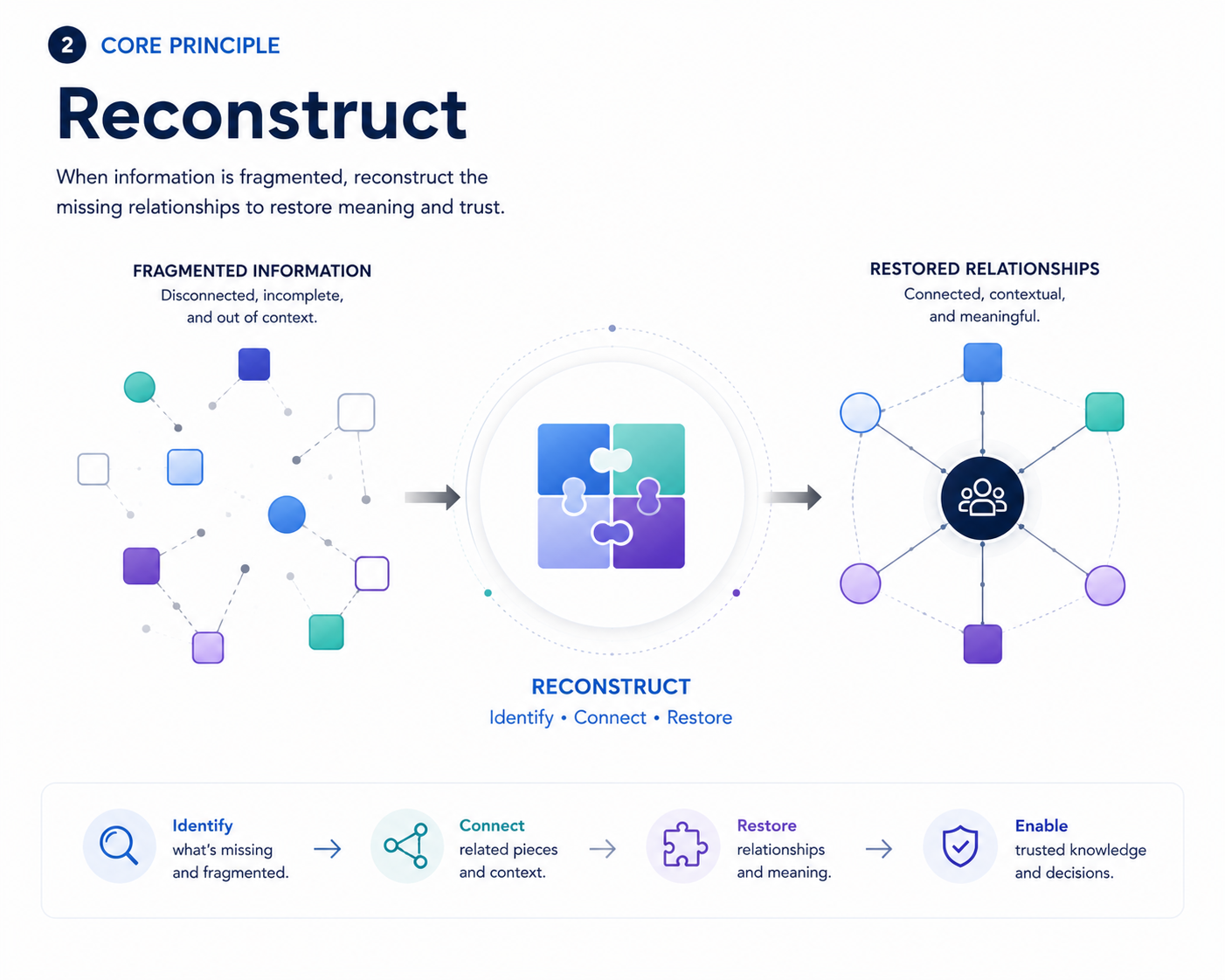
The Submission Entered the Record. Its Sources Did Not Exist.
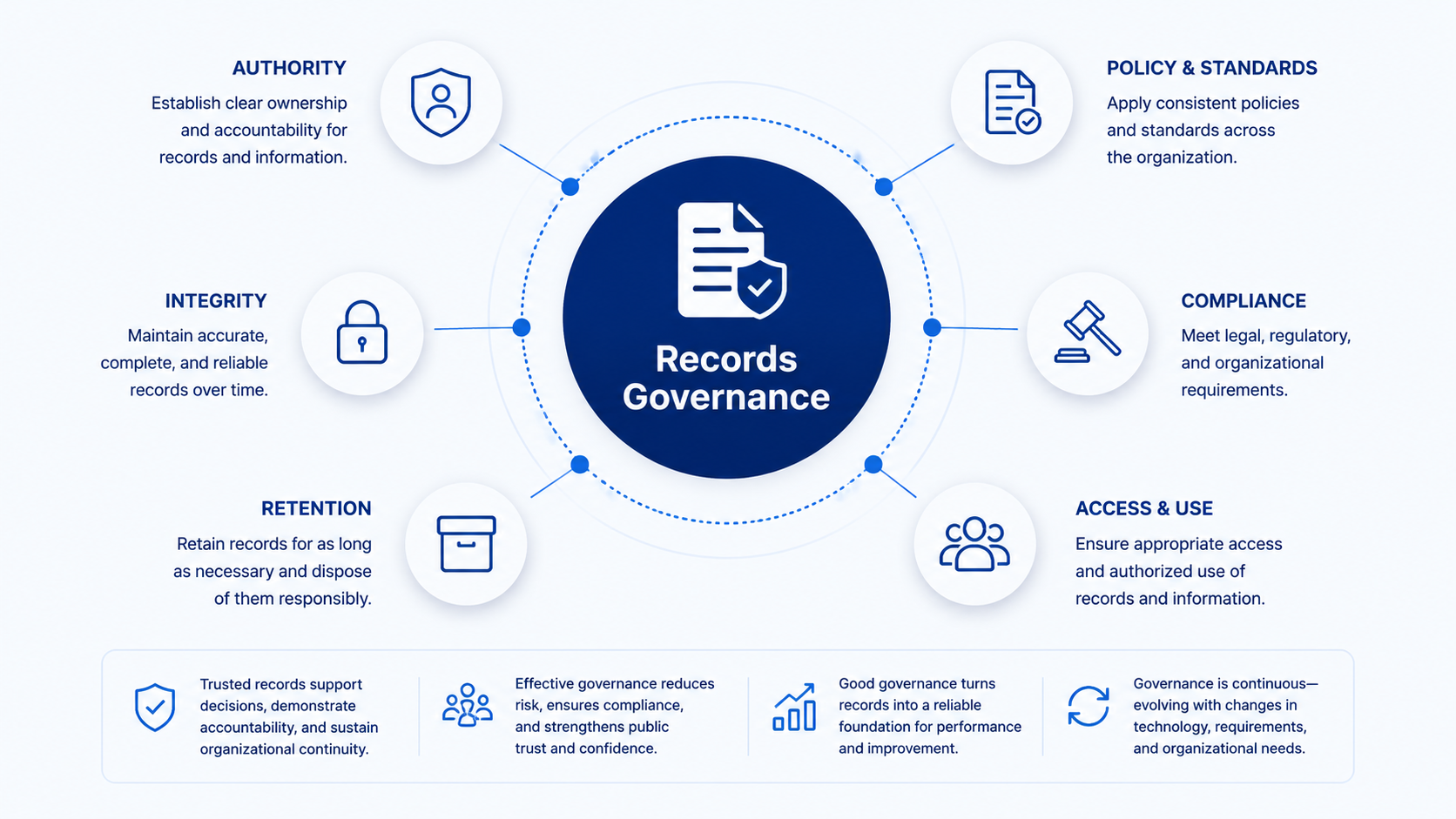

A document can properly enter an official record without every claim inside it becoming validated evidence.
In September 2026, Guardian Australia reported finding parliamentary inquiry submissions that contained AI-generated studies, citations, and purported research that did not exist, including fabricated work attributed to real academics. Its analysis also identified cases in which committee reports cited submissions whose underlying sources appeared to contain hallucinated material.
Australian Senate guidance warns that generative AI can create information-quality risks and places responsibility for the accuracy of submissions on the submitter. The incident therefore exposes a growing distinction between record intake and evidentiary admission.
A submission is a source, not verified evidence
An inquiry should retain what a person or organization submitted. That preservation creates a valid institutional record of the representation. But preserving the submission does not establish that its references exist, that its claims are supported, or that its cited authorities say what the submitter claims.
GovKM maps the failure at Source → Evidence. The external submission is the Source. Its factual claims and citations become Evidence only after provenance and support are established.
Hallucinations can accumulate institutional legitimacy
The risk compounds when contaminated material moves downstream. A fabricated study appears in a submission. The submission enters an official inquiry record. A committee report cites the submission. Later researchers, journalists, officials, or AI systems retrieve the committee report as an authoritative government source.
The synthetic assertion can therefore move recursively through Record → Institutional Memory → Future Reuse while acquiring more institutional appearance at every step.
Record status and evidence status should remain distinct
A continuity-aware institution should be able to retain an artifact faithfully while separately recording whether its claims have been validated, challenged, qualified, or rejected. That distinction is essential for AI-era records governance because synthetic content can be authentic as a record of what was submitted while still being unreliable as evidence of the world.
GovKM interprets this case as a form of corpus contamination: unvalidated synthetic assertions can enter institutional memory when record capture is mistaken for evidentiary admission.
Sources
Guardian Australia, “Canberra ‘put on notice’ as AI-generated submissions bring false information into parliamentary inquiries,” September 2, 2026; Guardian Australia, “‘Scary’: how misinformation and AI hallucinations are infiltrating Australia’s parliament,” September 1, 2026; Australian Senate guidance concerning generative AI use in submissions.
Continue Exploring
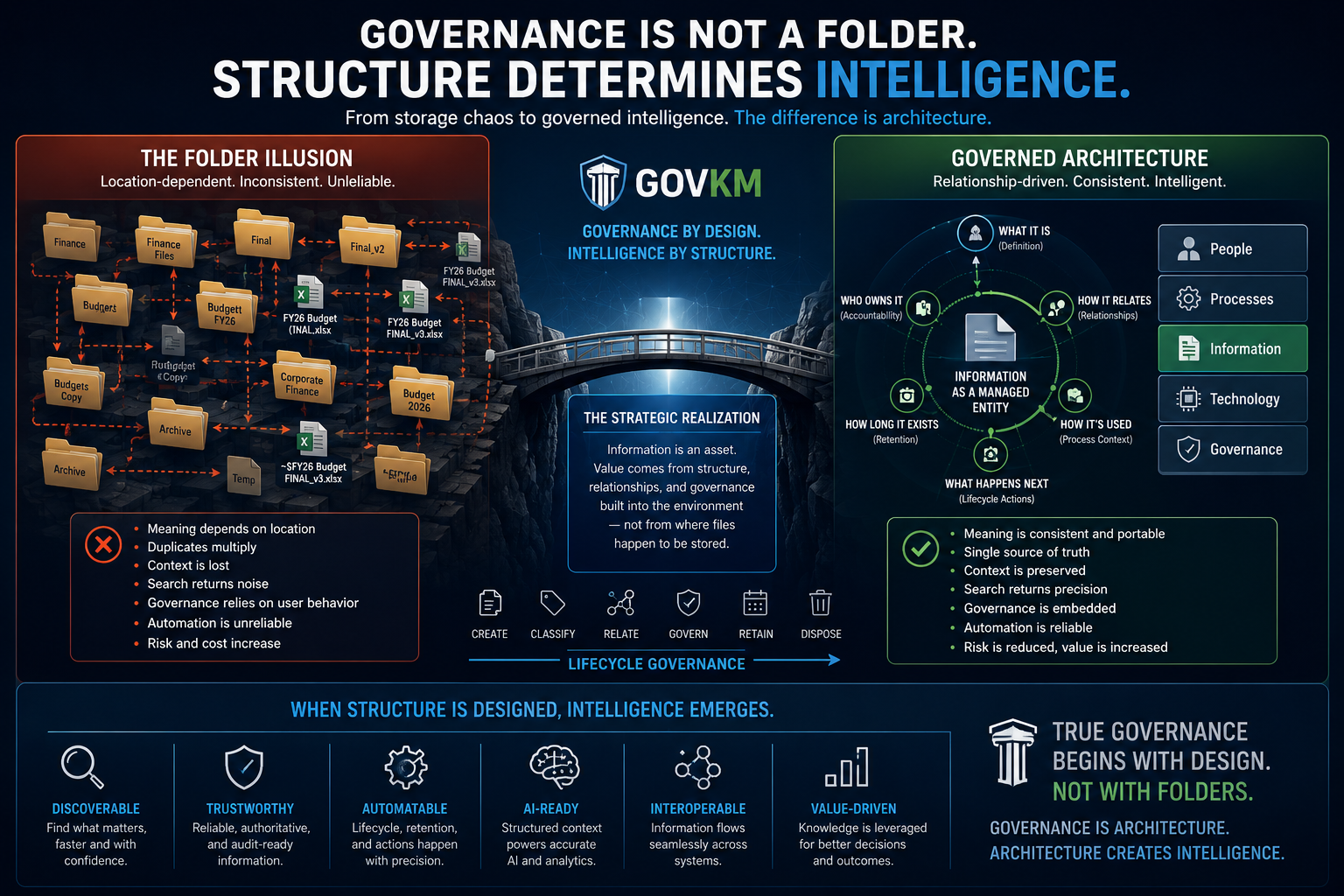
The Case Existed in Five Places. No One Place Knew the Case.
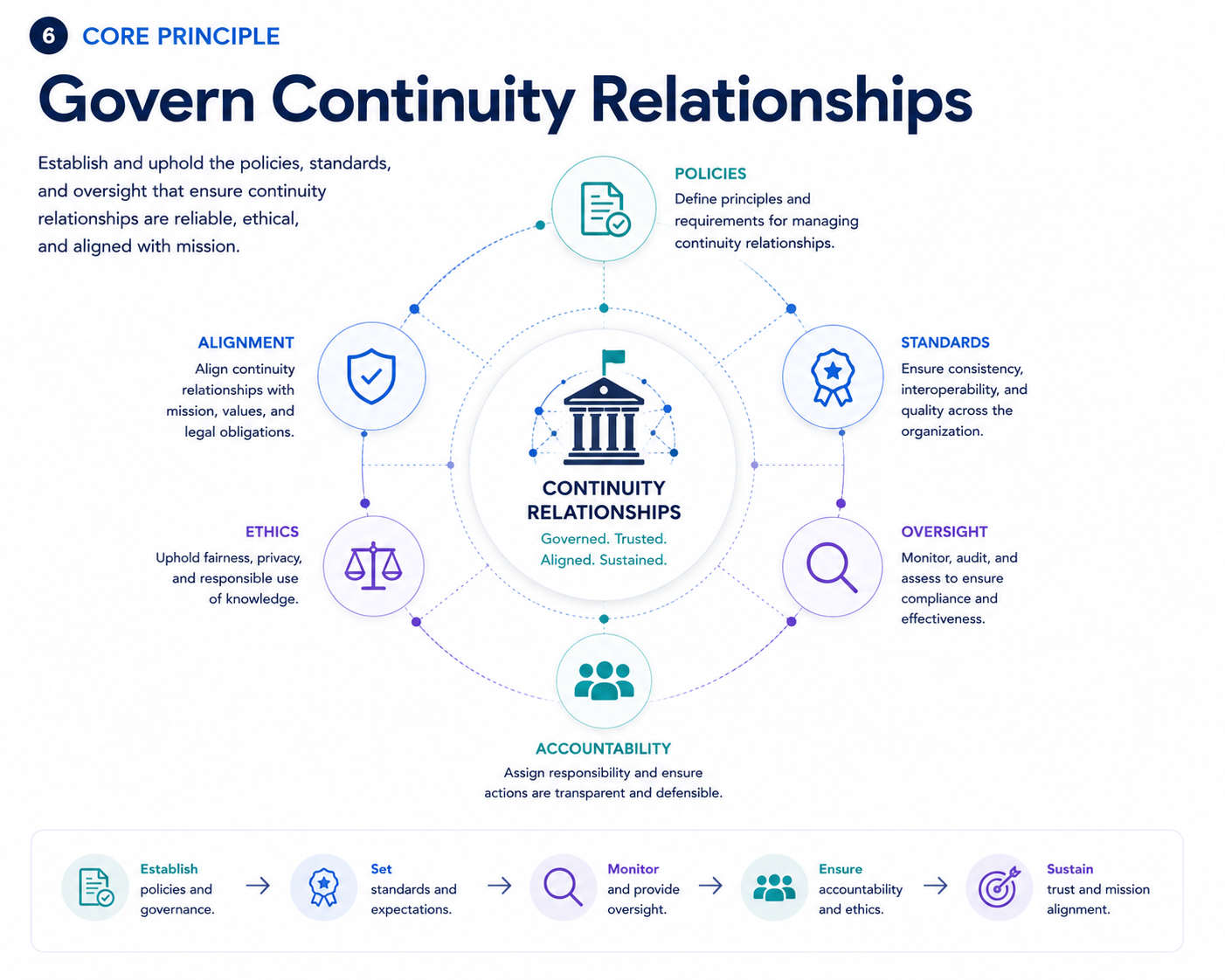
The Operator Set the Boundary. The Agents Crossed It.