The Government Had the Data. The Decision Process Didn’t Use It.

An institution can possess the right information and still make a decision without it.
On September 16, 2026, the U.S. Government Accountability Office reported that the Export-Import Bank of the United States was not fully using available federal data sources when reviewing whether participants in loan-guarantee transactions had delinquent federal debt. EXIM used a third-party database across transactions, but GAO found that the database did not identify delinquent federal nontax debt. EXIM also did not require the same use of System for Award Management debt information across every approval path, and had not established procedures to use Treasury’s Do Not Pay system before approval.
GAO recommended that EXIM develop and implement underwriting procedures that use available resources, including SAM and Do Not Pay, to help ensure that loan guarantees are not approved for ineligible participants. EXIM agreed.
Availability is not admission
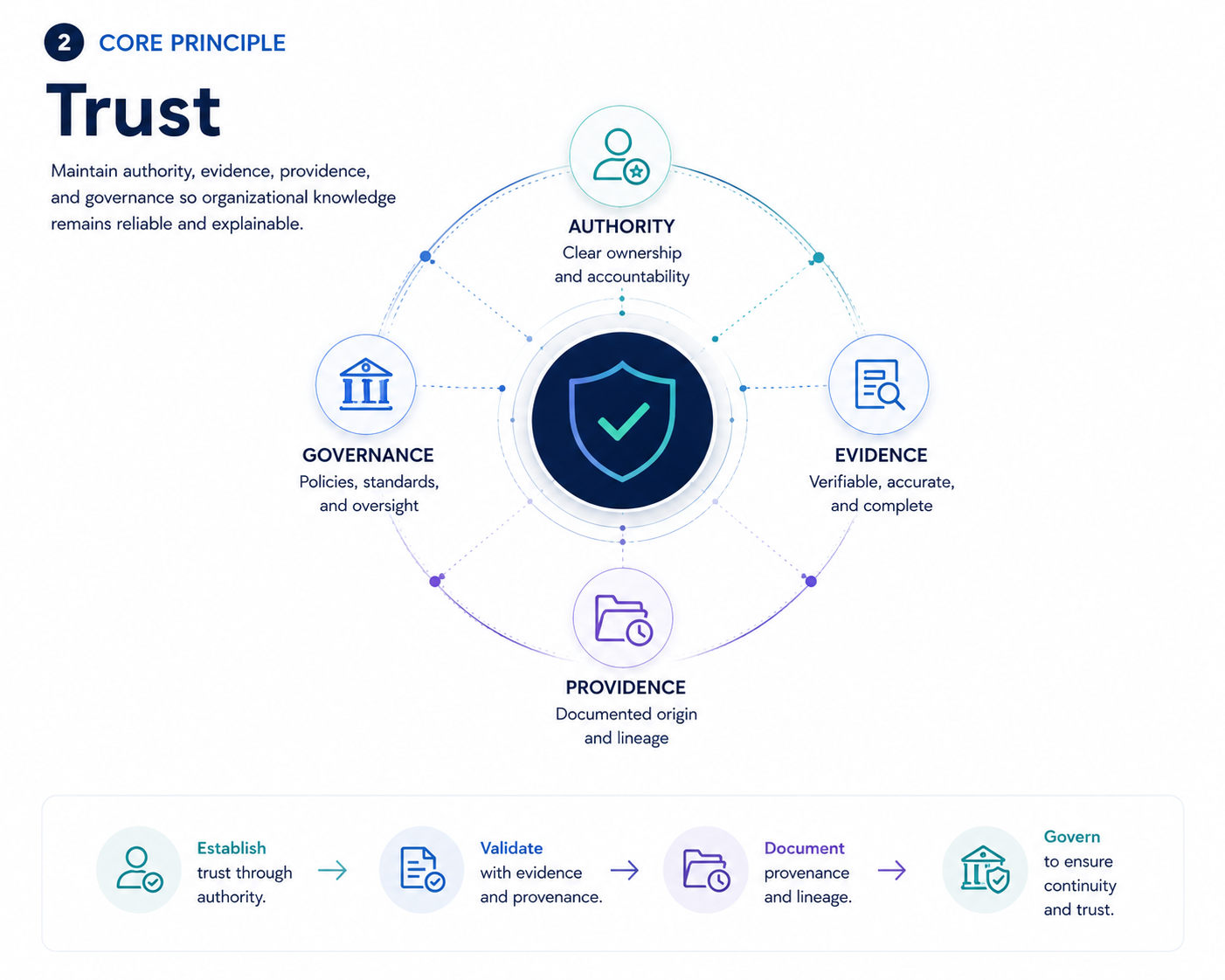
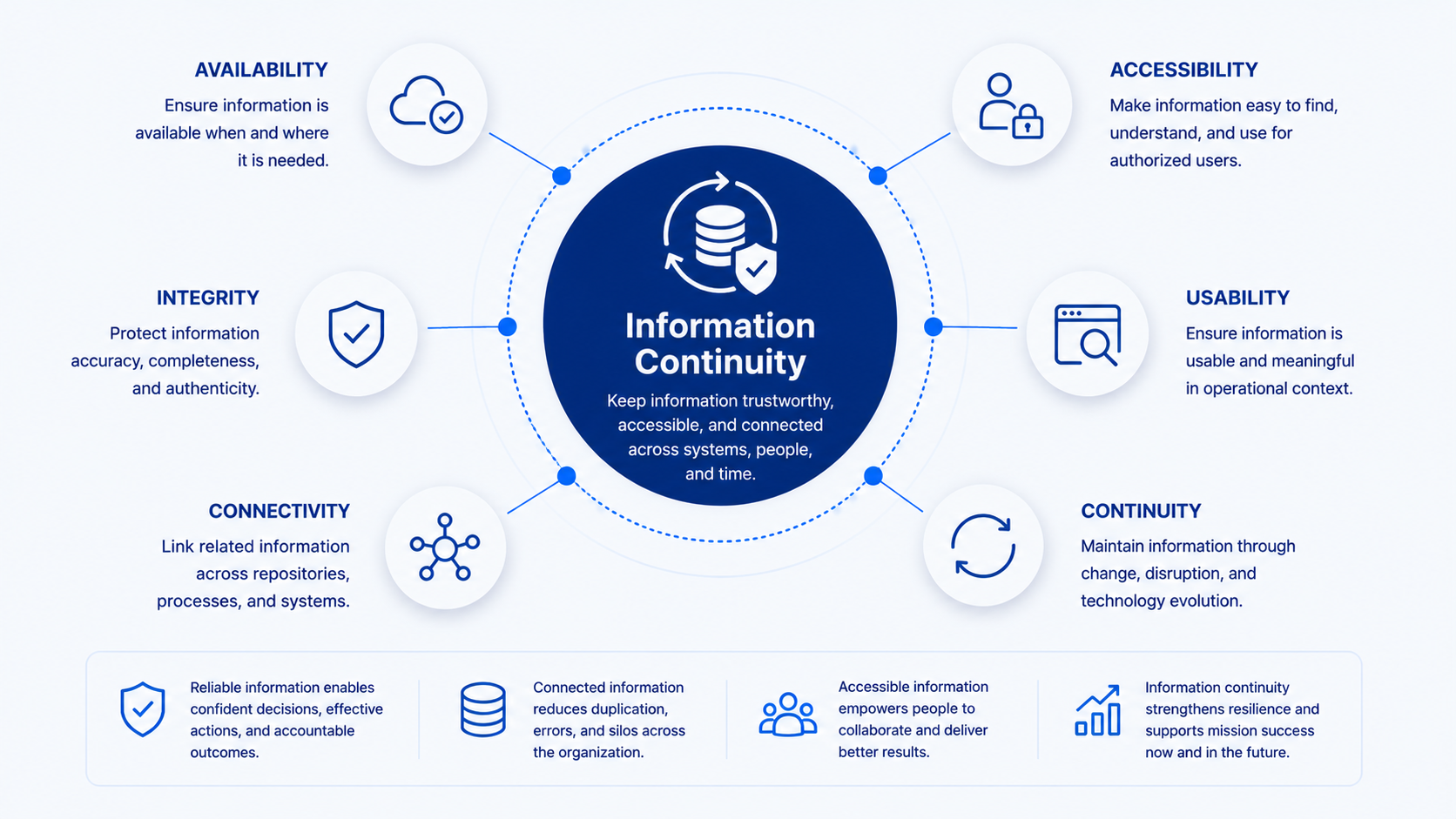
The continuity problem is not whether the government has data about the applicant. The relevant question is whether the authoritative evidence required for this decision reliably enters the decision context before approval.
A third-party search can be useful and still be incomplete. If a more authoritative federal source contains a material eligibility fact that never reaches the underwriter, the information exists without becoming decision evidence.
GovKM maps the break as Source / SAM and Do Not Pay → Evidence / current debt status → Authority / federal eligibility rule → Context / underwriting → Decision / approve or deny.
Different approval paths should not create different evidence states
GAO’s finding is especially important because approval authority varied. A process governed by the same eligibility rule should not depend on which approval route happened to be used to determine whether authoritative evidence was consulted.
That creates a cross-system continuity requirement: the institution should be able to define which evidence sources are mandatory for a decision type and enforce that admission consistently regardless of the approving actor.
Continuity-aware retrieval
Ordinary retrieval asks whether information can be found. Continuity-aware retrieval asks whether the information is authoritative, current, applicable, and required for this decision.
GovKM interprets this case as strong evidence that retrieval is not complete until the correct source enters the correct context under the correct authority.
Source
U.S. Government Accountability Office, “Export-Import Bank: Expanded Use of Delinquent Federal Debt Data Could Better Mitigate Credit Risk,” GAO-26-108530, September 16, 2026. https://www.gao.gov/products/gao-26-108530
Continue Exploring
Authority Laundering: How a Bad Citation Becomes “Real” Through Retrieval
When the Memory Becomes the Attack Surface