The Data Was Recorded. The Category Erased Why It Happened.
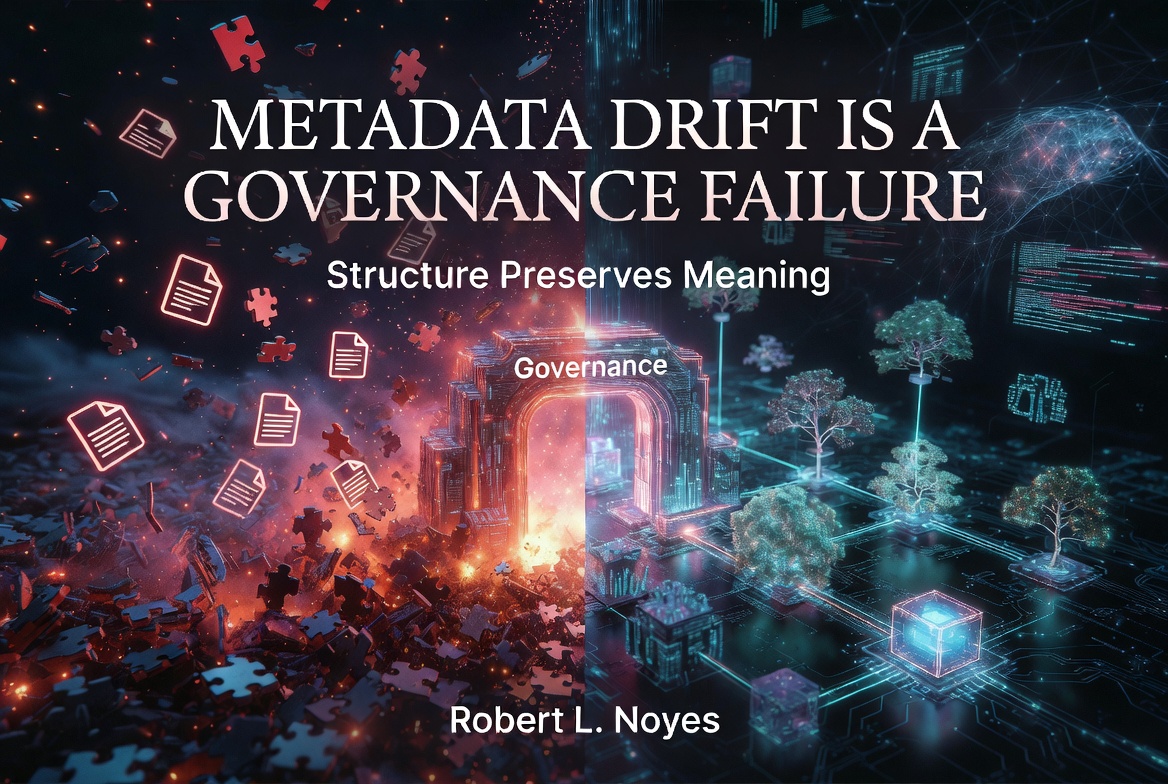

Information can be accurately stored and still become impossible to interpret because the taxonomy never preserved the distinction that future decisions require.
On September 15, 2026, the U.S. Government Accountability Office reported significant limitations in federal paid-administrative-leave data reported to the Office of Personnel Management. GAO found that holidays were being recorded as paid administrative leave, inflating apparent leave use in holiday pay periods. More fundamentally, the federal payroll reporting structure lacked a category that distinguished paid administrative leave used for workforce-reduction programs from other forms of administrative leave.
OPM therefore could not easily or accurately determine the actual cost of those workforce-reduction efforts. GAO recommended both stronger disclosure of reliability limitations and creation of a distinct reporting category.
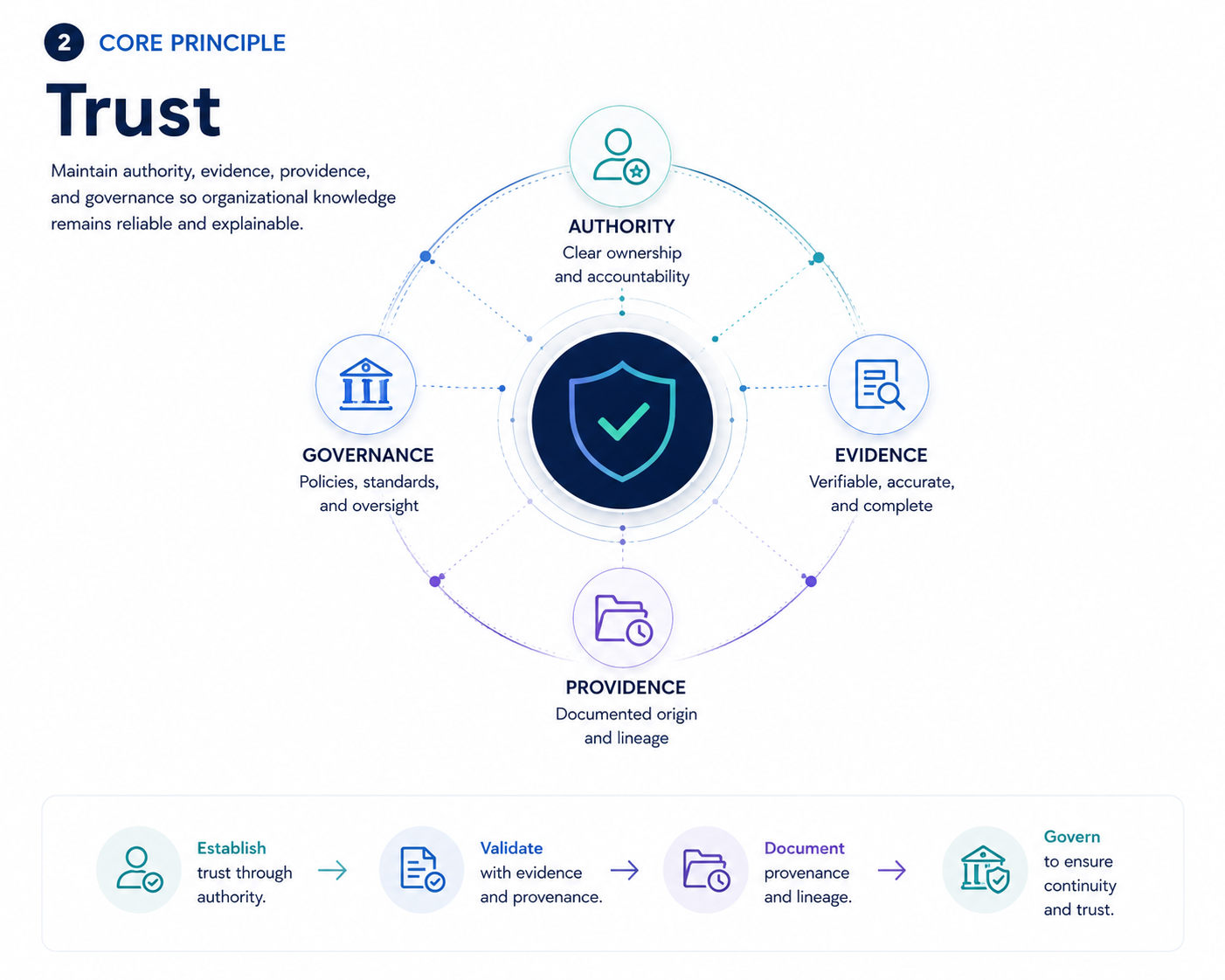
A taxonomy preserves institutional meaning
The problem is deeper than a bad value in a database. If distinct business events are assigned the same classification, the record can no longer preserve why the event occurred.
In GovKM terms, the break happens when Context / reason for leave is compressed into a generic Record / administrative leave category. Once that distinction disappears, Institutional Memory inherits the loss.
Future analysts may have custody of every record and still be unable to reconstruct the original institutional state.
Continuity can fail at record creation
Retrieval cannot recover a distinction that was never represented. AI cannot reliably infer a business purpose that the institution chose not to preserve. The semantic loss happened before retrieval began.
This is why taxonomy is continuity infrastructure. Categories determine which relationships survive into the record and which are discarded.
Known limitations also need continuity
GAO also found that known historical reliability problems remained in public data. That creates a second relationship: once the institution learns that a dataset is qualified, that qualification should travel with the record into Future Reuse.
A continuity-aware system therefore preserves both the original classification and the later evidence that limits how the record should be interpreted.
Source
U.S. Government Accountability Office, “Federal Workforce: Deferred Resignation Program Largely Responsible for Sixfold Increase in Paid Administrative Leave Salary Costs,” GAO-26-108477, September 15, 2026. https://www.gao.gov/products/gao-26-108477
Continue Exploring
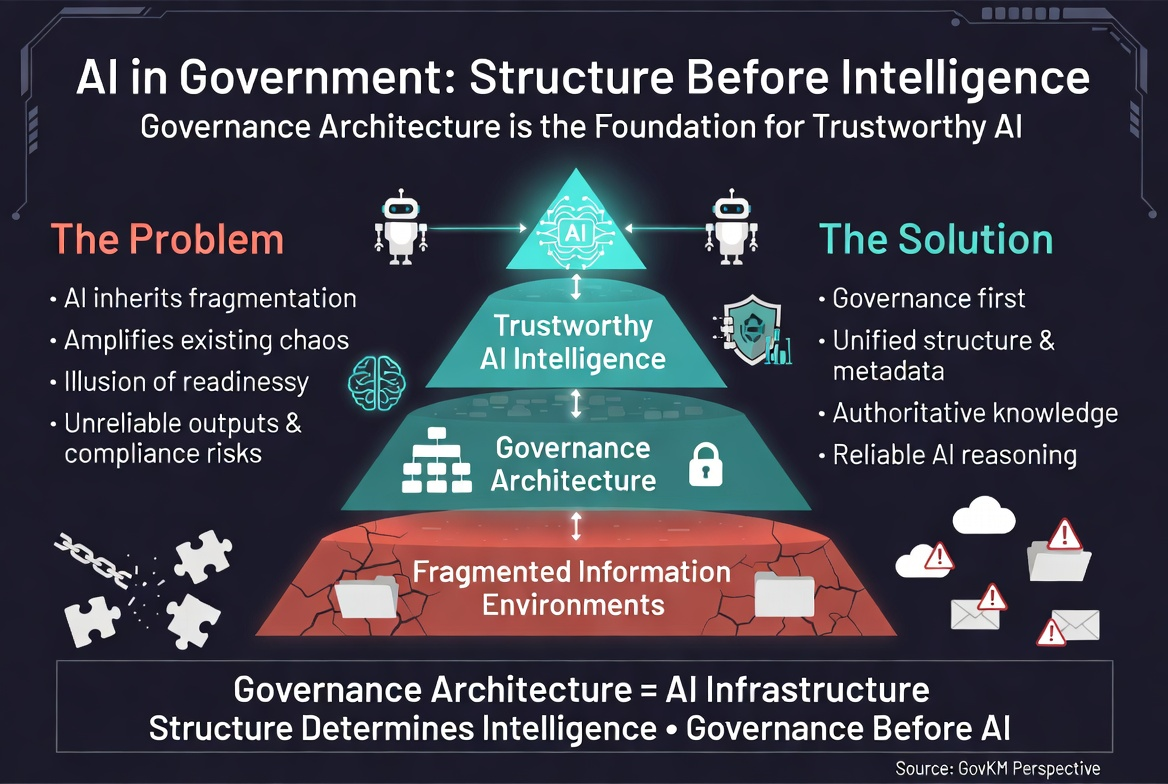
Authority Laundering: How a Bad Citation Becomes “Real” Through Retrieval
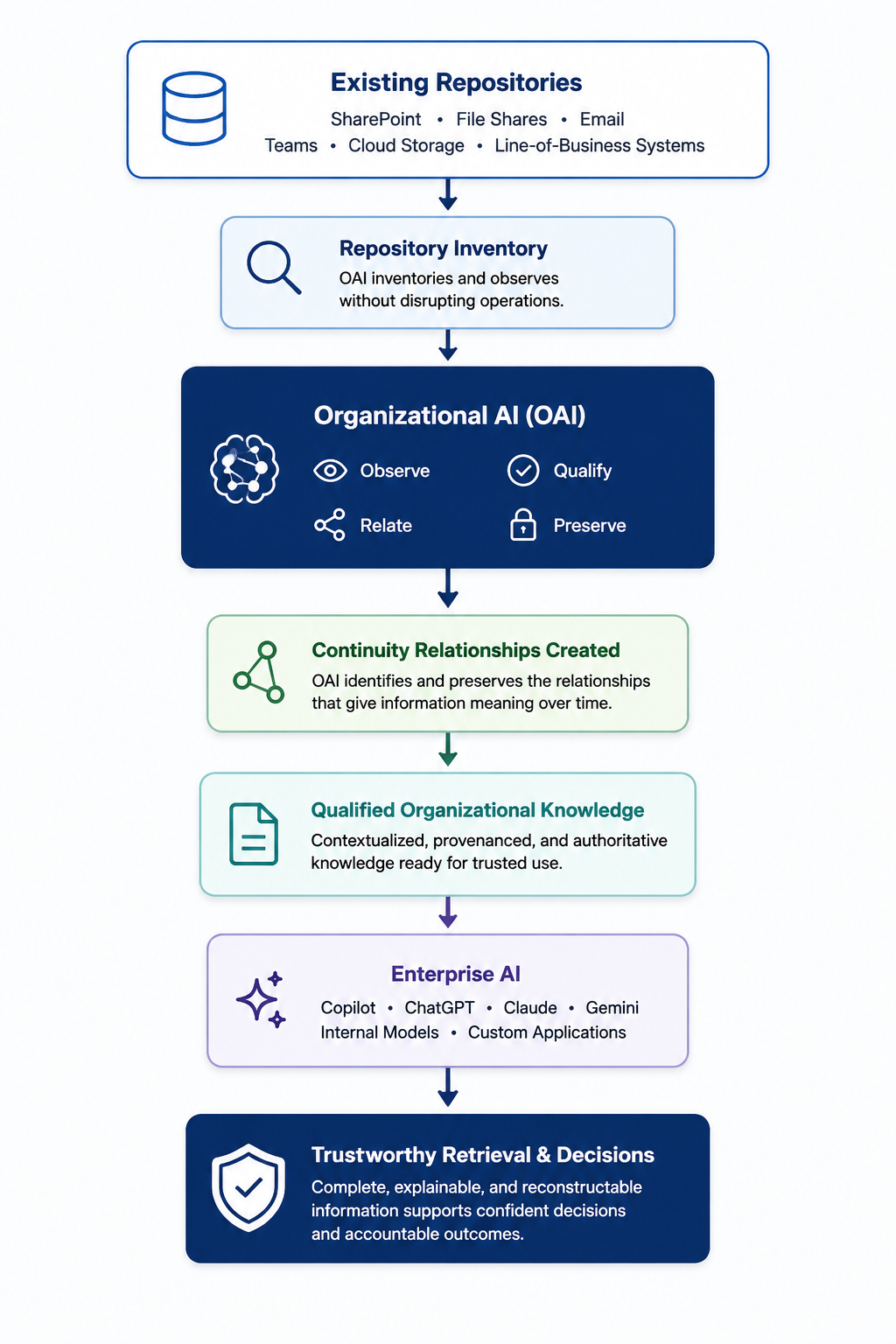
When the Memory Becomes the Attack Surface