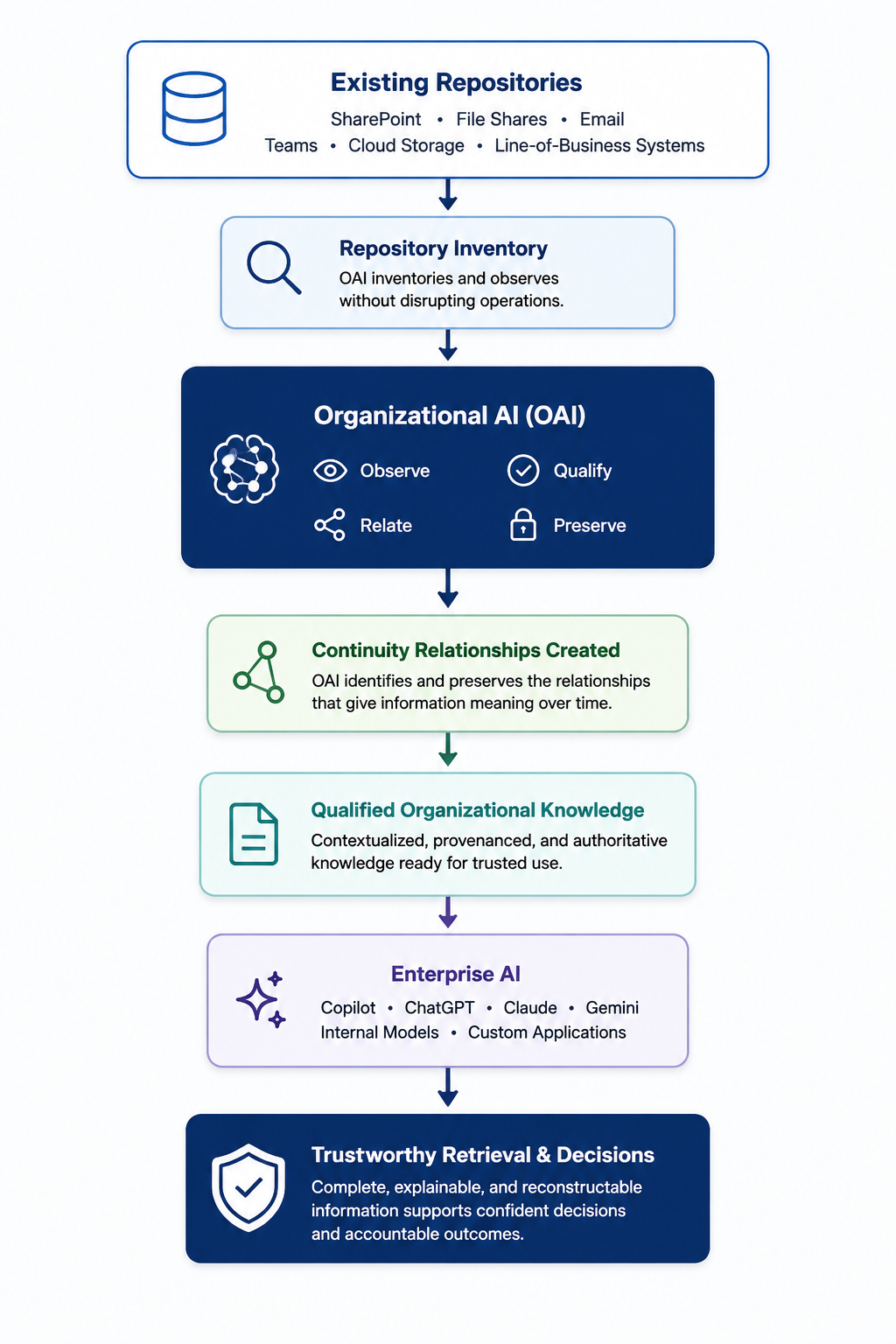
The Database Survived the Upgrade. The Memory Didn’t.
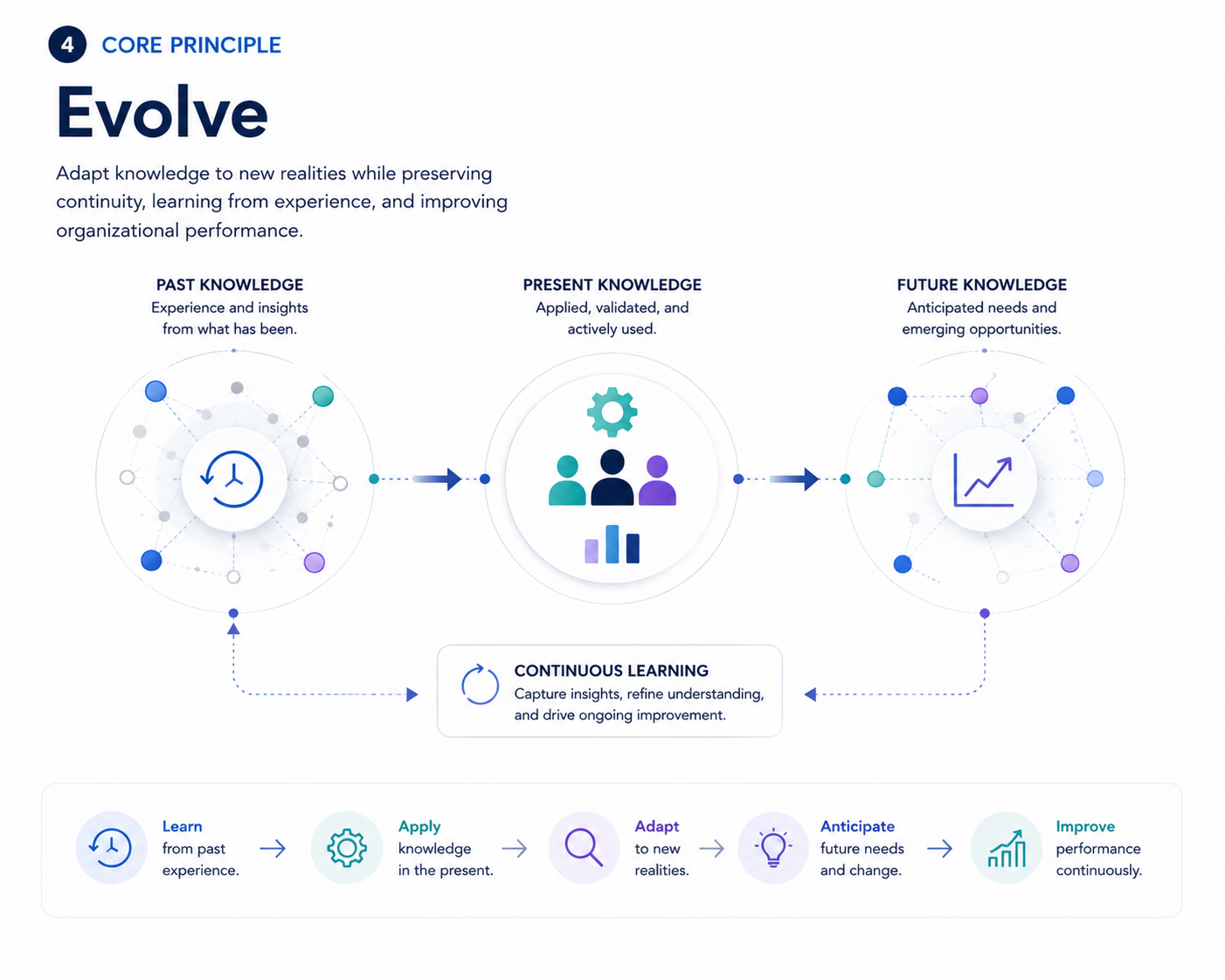

A memory system can preserve its database and still lose its memory after a model change.
In a September 2026 controlled study, Ankit Goyal and Jaideep Ray tested multiple memory representations across synthetic agent histories while changing the models responsible for writing or using that memory. Fixed-schema knowledge-graph memory remained comparatively stable, while natural-language note representations showed direction-dependent accuracy changes. The study also reported that partially migrated embedding indexes recovered substantially less performance than fully re-embedded indexes, and that retrieval failures explained most of the measured RAG accuracy loss in one diagnostic decomposition.
The study is synthetic and should not be treated as evidence that every production memory system will behave the same way. But it isolates a continuity problem that organizations will increasingly face.
Custody of bytes is not continuity of meaning
A conventional migration check can establish that records were copied successfully. That proves preservation of storage. It does not prove that the replacement model interprets the stored representation the same way, that retrieval still returns the same relevant material, or that compressed memory remains reconstructable.
GovKM maps this to Record → Institutional Memory → Future Reuse. The record can survive physically while the relationship that makes it usable knowledge fails during technology change.
Migration creates several independent continuity obligations
A continuity-aware migration should test at least three properties separately:
Preservation: did the record survive?
Interpretability: can the replacement system recover the intended meaning?
Retrievability: does the new retrieval stack admit the right memory into working context?
The study's finding that retaining original source history improved repairability also reinforces an important records principle: lossy derived memory is not a substitute for preserving the source from which the derivation was produced.
Model upgrades are continuity events
Organizations will routinely replace models, embedding systems, vector indexes, memory formats, and retrieval policies. Each change can preserve storage while altering what the system can remember in practice.
GovKM interprets this study as controlled evidence for Continuity Through Change: migration acceptance should test continuity of meaning and reuse, not merely continuity of files and databases.
Source
Ankit Goyal and Jaideep Ray, “Does Your Agent’s Memory Survive a Model Upgrade? A Controlled Study of Memory Portability,” arXiv:2609.05339, submitted September 4, 2026. https://arxiv.org/abs/2609.05339
Continue Exploring
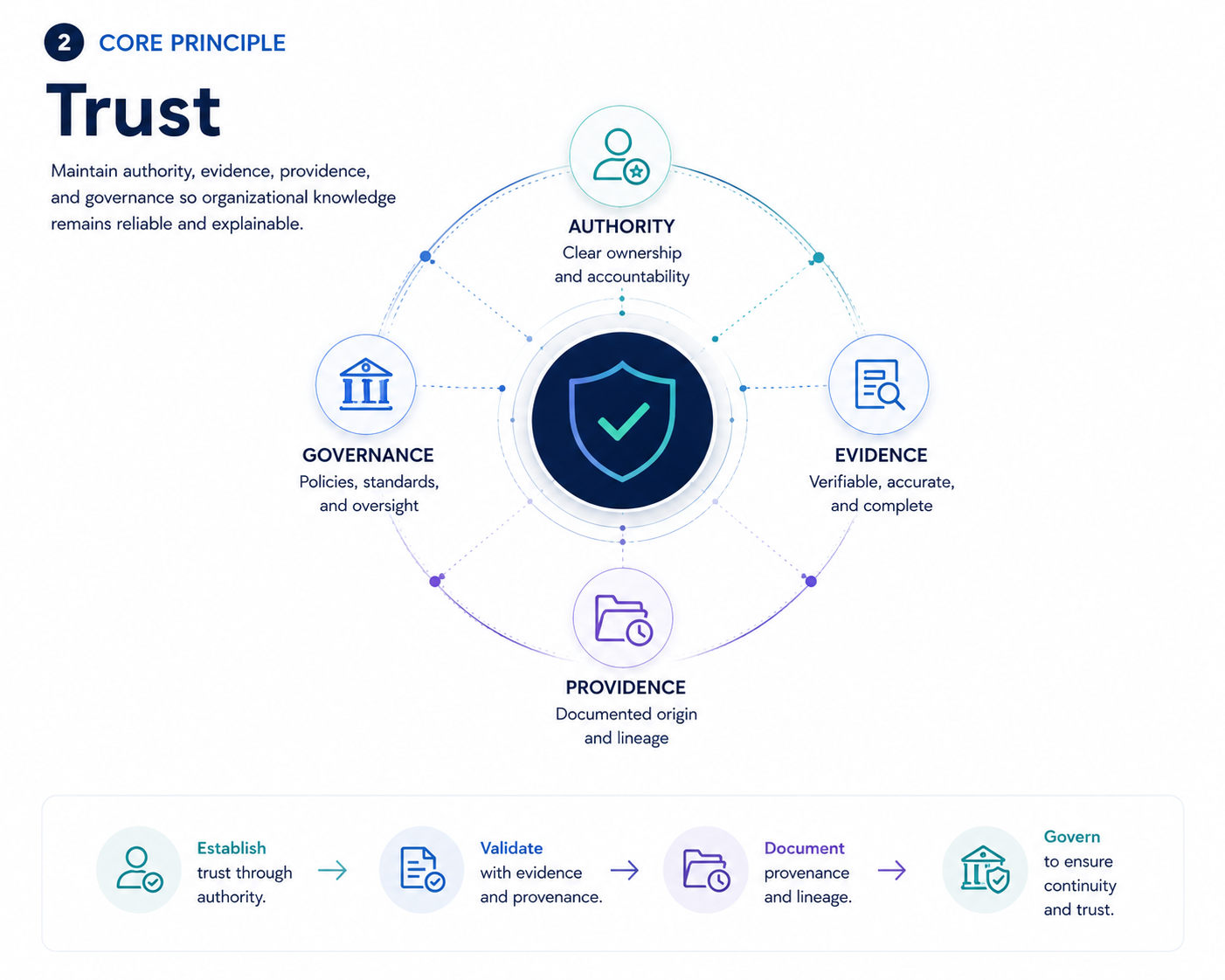
The AI Error Was Discovered. The Correction Still Had to Reach the Court.
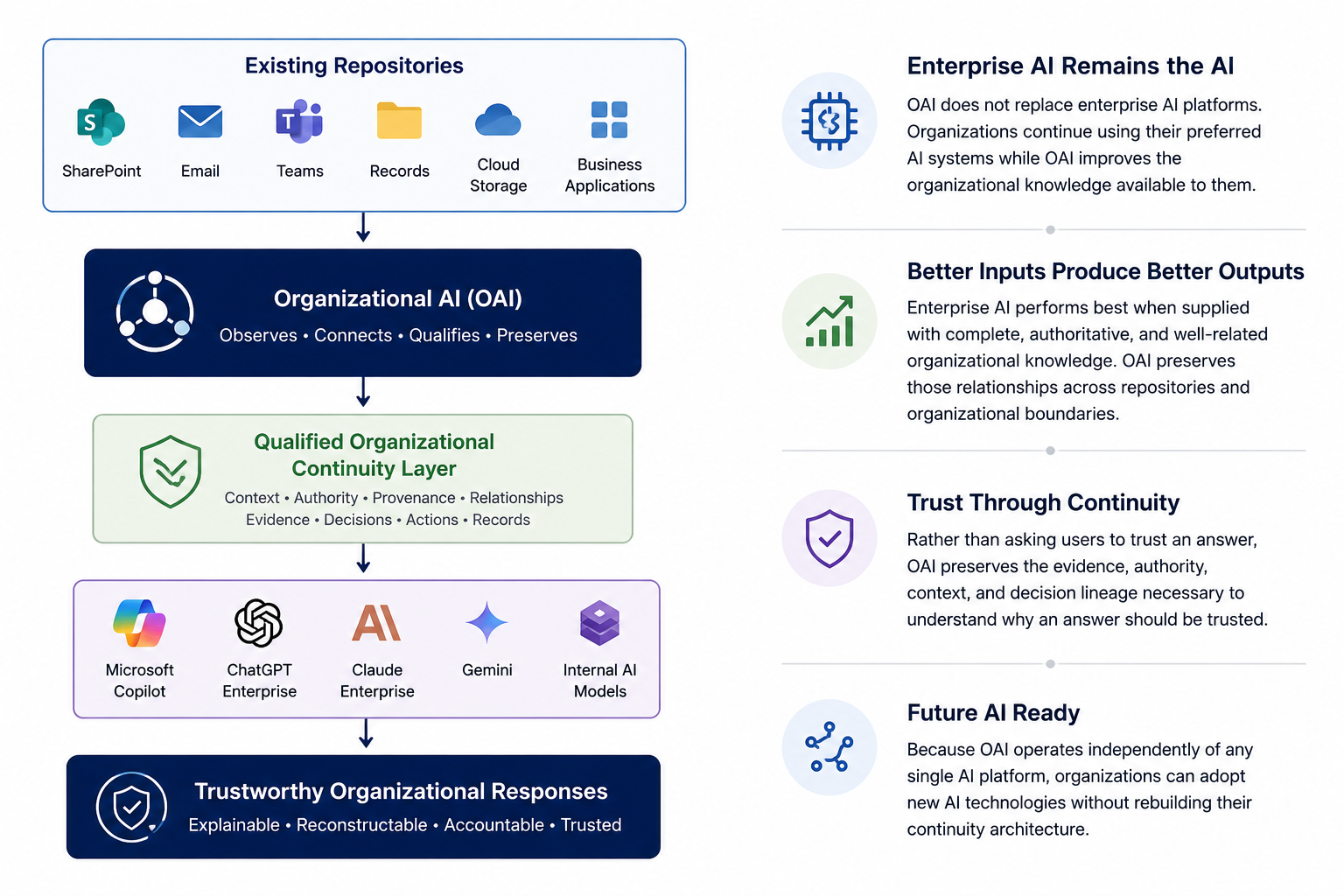
The Attackers Preserved Context Better Than the Enterprise Preserved Authority.