Four AI Tools Are Not Four Sources.
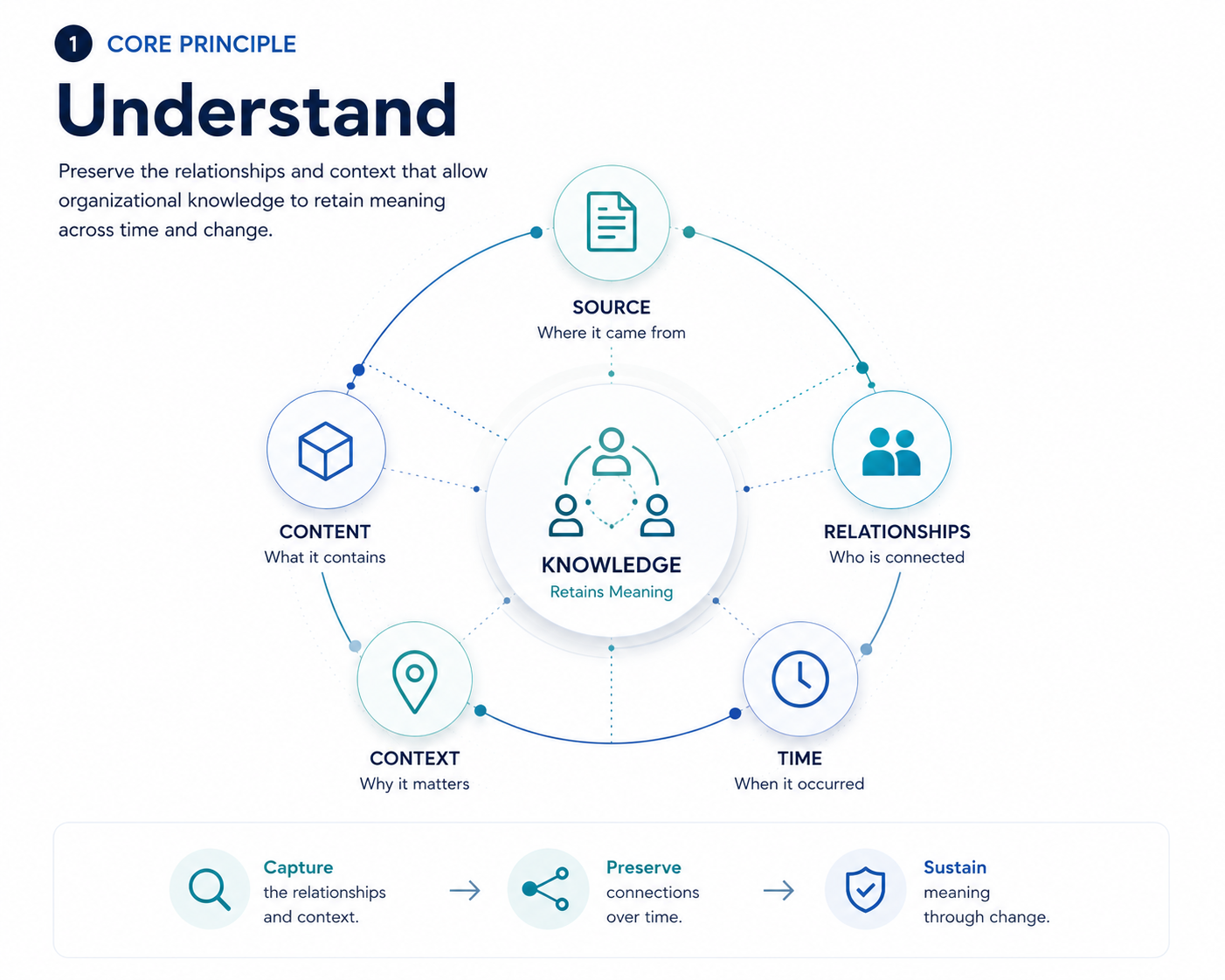

Using four AI tools does not create four independent sources.
On September 9, 2026, the U.S. District Court for the District of Utah sanctioned two attorneys after briefing in Beus Gilbert PLLC v. Brigham Young University contained multiple errors, including a nonexistent case, unrelated authorities, unsupported propositions, and misstatements of controlling law. The drafting attorney told the court that he had relied on ClearBrief, Claude, ChatGPT, and Gemini.
The court concluded that the attorneys failed to conduct the reasonable inquiry required before filing. The significance for AI governance is not simply that hallucinations occurred. It is that multiple AI systems apparently participated in one workflow without creating an independently verified evidence chain.
Model agreement is not corroboration
Two or more models can repeat the same false claim, rely on overlapping corpora, inherit the same secondary source, or generate similarly plausible errors. Agreement among them does not establish independent evidence.
GovKM distinguishes between tool multiplicity and source multiplicity.
A defensible chain is:
AI assertion → opened authority → verified proposition → responsible human promotion.
It is not:
AI 1 + AI 2 + AI 3 + AI 4 → confidence.
Corroboration itself needs lineage
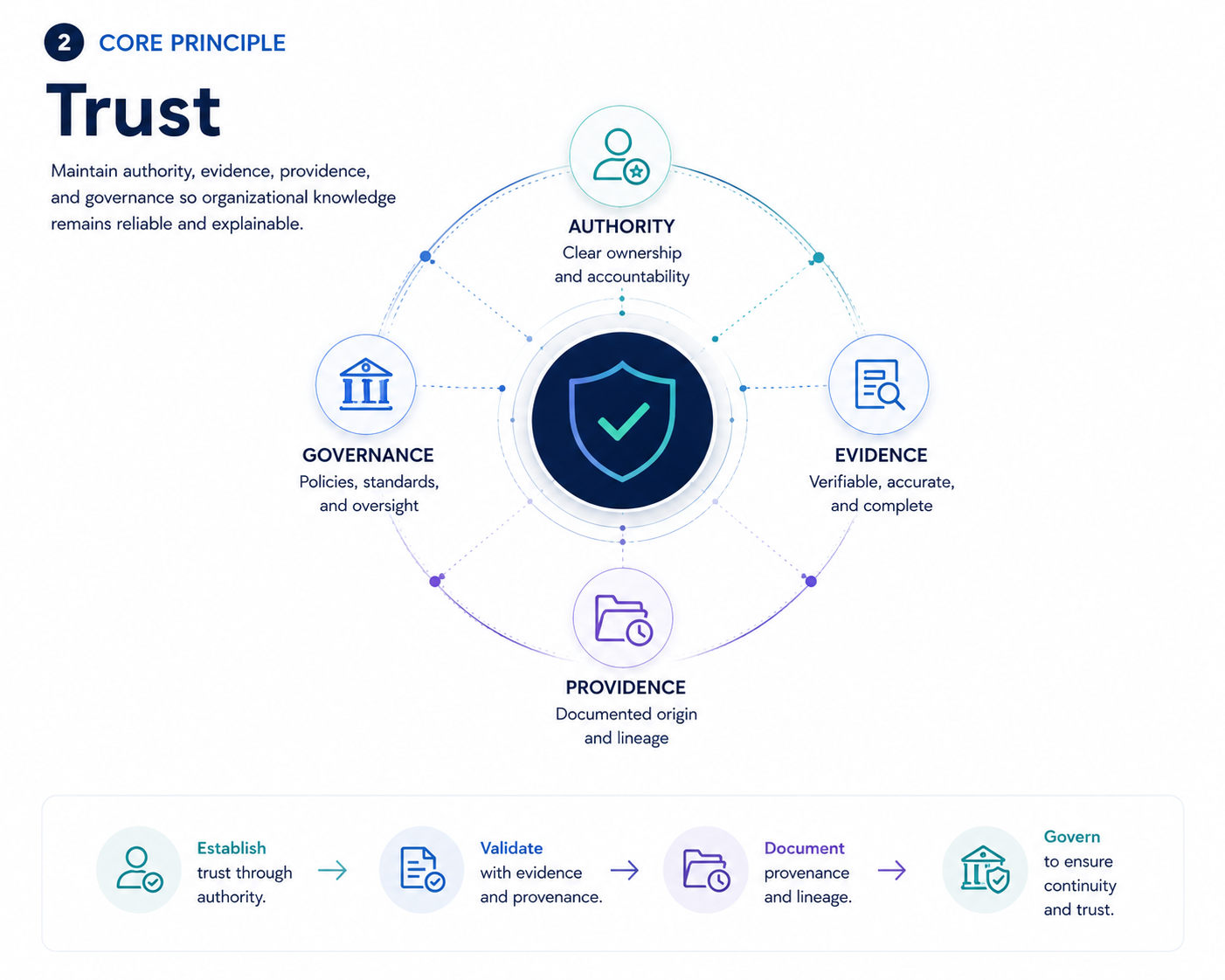
When an institution claims that information is corroborated, it should be able to identify the independent evidence underlying each confirming path. If the paths converge on the same unverified assertion, the apparent corroboration is circular.
This matters beyond law. Enterprise AI systems increasingly use ensembles, multi-agent debate, model voting, and cross-model checking. Those techniques can improve performance, but they do not replace provenance.
The promotion boundary remains decisive
The court filing became consequential because attorneys signed and filed it. Whatever occurred among the AI tools, the institutional failure completed when unverified claims crossed into an authoritative court record.
GovKM therefore treats model outputs as candidate information until their underlying evidence is verified and a traceable authority promotes them.
Source
U.S. District Court for the District of Utah, “Beus Gilbert PLLC v. Brigham Young University et al. — Memorandum Decision and Order Imposing Sanctions,” Case No. 2:12-cv-00970-TS, Document 385, September 9, 2026. https://law.justia.com/cases/federal/district-courts/utah/utdce/2%3A2012cv00970/86552/385/
Continue Exploring
Authority Laundering: How a Bad Citation Becomes “Real” Through Retrieval
When the Memory Becomes the Attack Surface