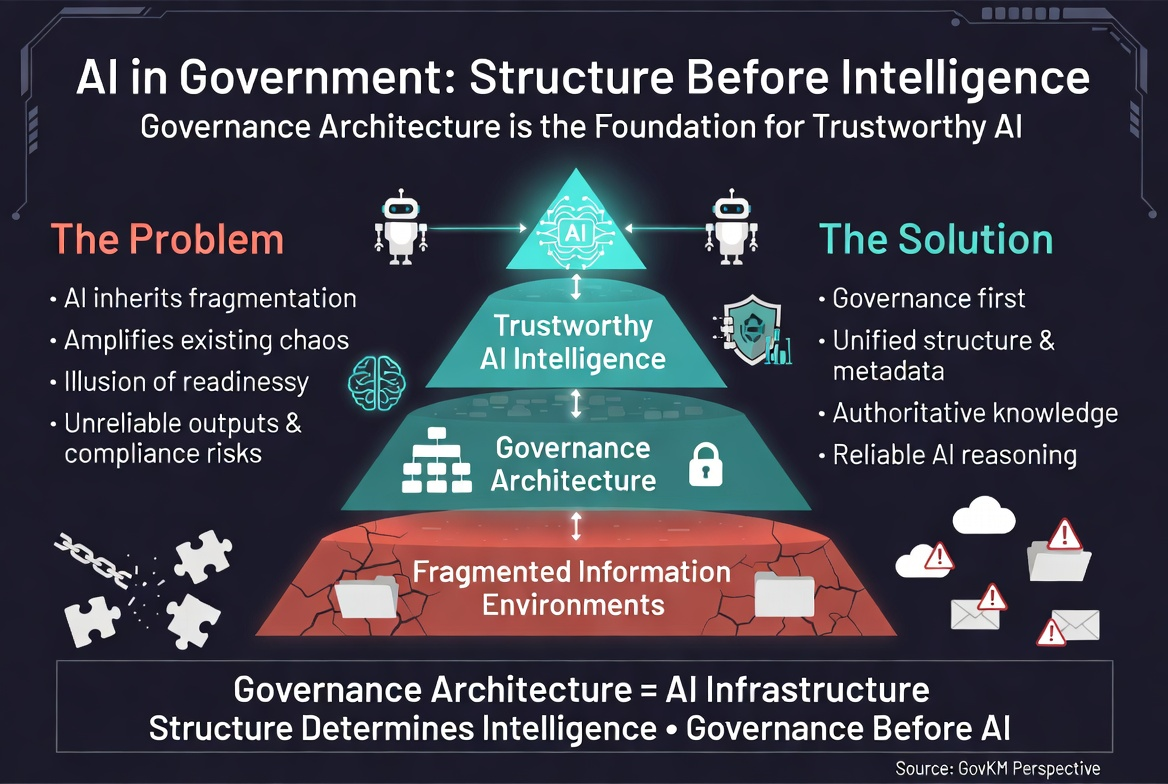
The Digital Enterprise Requires New Operational Roles
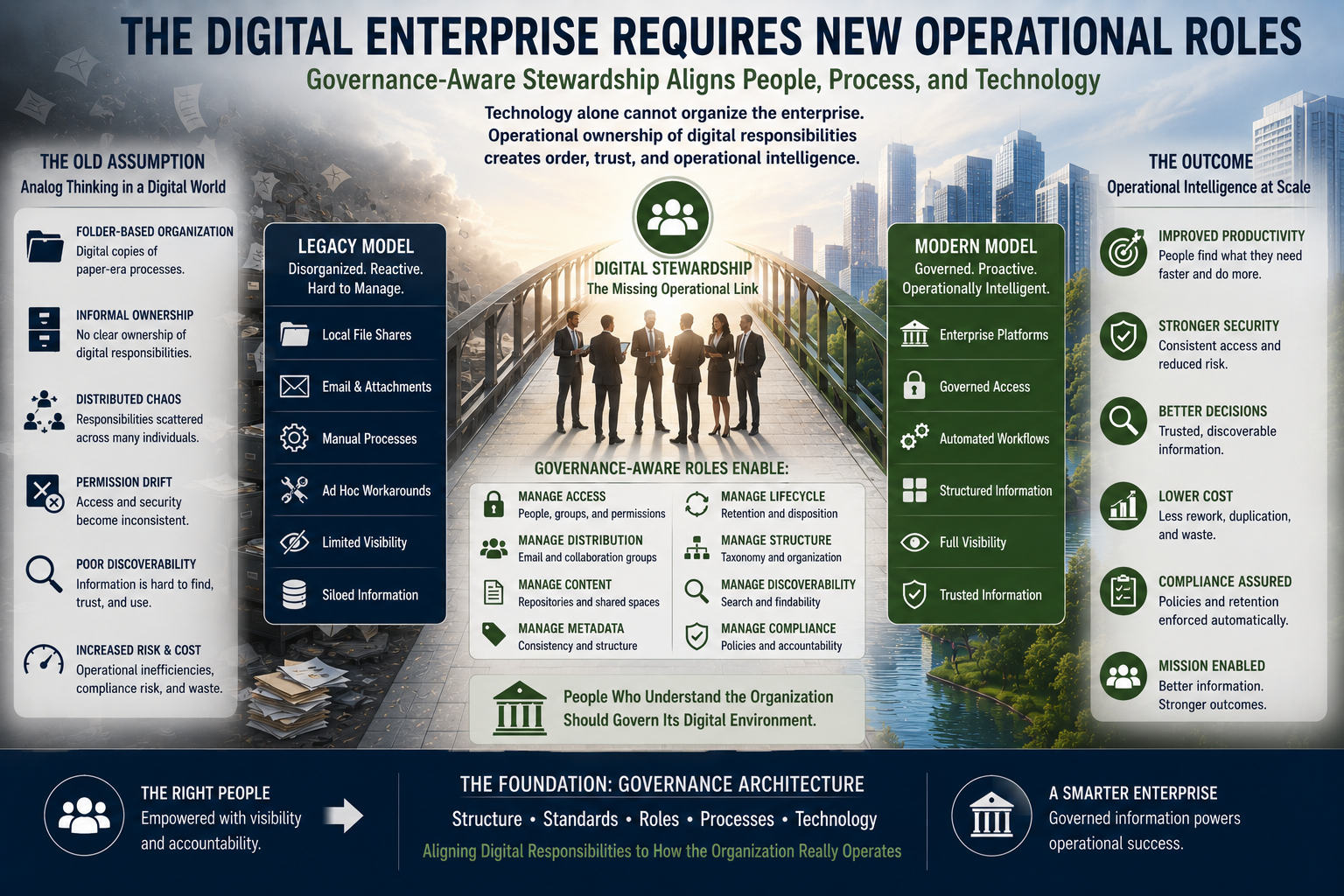

Modern organizations continue operating with workforce structures designed for a pre-digital world.
While enterprise systems, cloud platforms, collaboration environments, and digital ecosystems have transformed how organizations function, many operational roles and responsibilities remain rooted in assumptions established long before the emergence of modern information environments.
The result is a growing disconnect between:
- how organizations operate digitally,
- and how organizational responsibilities are assigned administratively.
This disconnect is now becoming operationally significant.
The Digital Enterprise Was Built on Analog Assumptions
When desktop computing first entered the workplace, organizations largely treated digital systems as electronic versions of physical processes.
Paper folders became digital folders.
File cabinets became shared drives.
Documents became files.
Libraries became directories.
Even the visual metaphors remained the same.
The enterprise simply reproduced physical organizational behavior inside digital systems without fundamentally redesigning how information should operate in a digital environment.
This decision shaped the modern enterprise more than most organizations realize.
Today, many organizations still:
- organize information through nested folder structures,
- treat collaboration systems like electronic filing cabinets,
- recreate local storage paradigms inside enterprise platforms,
- and structure operational workflows around assumptions inherited from paper-era processes.
The result is not true digital transformation.
It is digital replication of analog behavior.
Operational Responsibilities Never Fully Evolved
As digital ecosystems expanded, organizations introduced new technologies but often failed to redefine operational responsibilities surrounding them.
This created an invisible layer of unmanaged “digital duties” across the enterprise.
Tasks involving:
- permissions management,
- collaboration governance,
- metadata stewardship,
- access control,
- distribution management,
- content organization,
- lifecycle governance,
- operational discoverability,
- and local knowledge coordination
frequently emerged without formally belonging to any defined operational role.
Instead, these responsibilities became distributed informally across:
- administrative personnel,
- office managers,
- supervisors,
- IT staff,
- records managers,
- and end users.
In many cases, no one possessed full visibility or accountability.
The modern enterprise therefore accumulated digital systems faster than it developed operational governance models capable of managing them.
Governance Cannot Exist Without Operational Ownership
One of the largest misconceptions in enterprise modernization is the belief that governance exists independently from operational roles.
In reality, governance requires ownership.
Permissions must be governed by someone.
Metadata must be governed by someone.
Distribution groups must be governed by someone.
Lifecycle management must be governed by someone.
Operational structure must be governed by someone.
Without clear operational ownership, governance becomes fragmented across disconnected organizational boundaries.
This problem becomes especially visible in distributed digital ecosystems where:
- personnel move constantly,
- permissions evolve continuously,
- collaboration environments expand rapidly,
- and operational knowledge spreads across multiple systems simultaneously.
Organizations often assume these issues are purely technical.
They are not.
They are governance and operational-design problems.
The Emergence of Digital Stewardship
As organizations modernize, a new operational realization is emerging:
The digital enterprise requires governance-aware operational stewardship roles.
These roles may not always exist as entirely new positions. In many cases, they evolve naturally from personnel already positioned near organizational operations, workflow coordination, and personnel movement.
The critical requirement is not job title.
It is governance accountability.
Organizations increasingly require personnel capable of understanding:
- operational structures,
- organizational relationships,
- permissions governance,
- collaboration ecosystems,
- metadata consistency,
- and enterprise knowledge flow.
This represents a significant shift from traditional assumptions that governance exists only within:
- IT,
- records management,
- or compliance offices.
The future enterprise distributes governance operationally across the organization itself.
Technology Alone Cannot Organize the Enterprise
Modern enterprise systems are fully capable of supporting:
- contextual permissions,
- metadata inheritance,
- lifecycle automation,
- interoperability,
- search optimization,
- and AI-readiness.
But technology does not govern itself.
Without operational stewardship:
- permissions drift,
- repositories fragment,
- metadata deteriorates,
- collaboration environments become chaotic,
- and organizational knowledge becomes increasingly difficult to trust.
This is why many modernization efforts fail despite deploying sophisticated platforms.
The organization modernized technology without modernizing operational responsibility.
Governance Is Becoming Part of Operational Work
The future organization will increasingly recognize governance as embedded operational infrastructure rather than isolated administrative oversight.
This means governance responsibilities will become integrated directly into:
- business operations,
- collaboration environments,
- workflow ownership,
- knowledge stewardship,
- and organizational coordination.
The enterprise is already moving toward this realization.
Modern organizations no longer operate primarily through physical workflows.
They operate through digital knowledge ecosystems.
And digital ecosystems require operational stewardship models aligned to how information actually moves across the enterprise.
The Next Evolution of the Workforce
The digital transformation of the enterprise is no longer primarily about technology adoption.
It is about operational redesign.
Organizations must begin reassessing:
- workforce structures,
- operational responsibilities,
- governance accountability,
- and digital stewardship models
according to the realities of modern information ecosystems.
Because the future enterprise cannot continue assigning digital responsibilities according to pre-digital organizational assumptions.
Operational intelligence now depends on governance-aware workforce structures.
And governance-aware workforce structures will increasingly determine which organizations remain operationally coherent in the digital era.
Continue Exploring
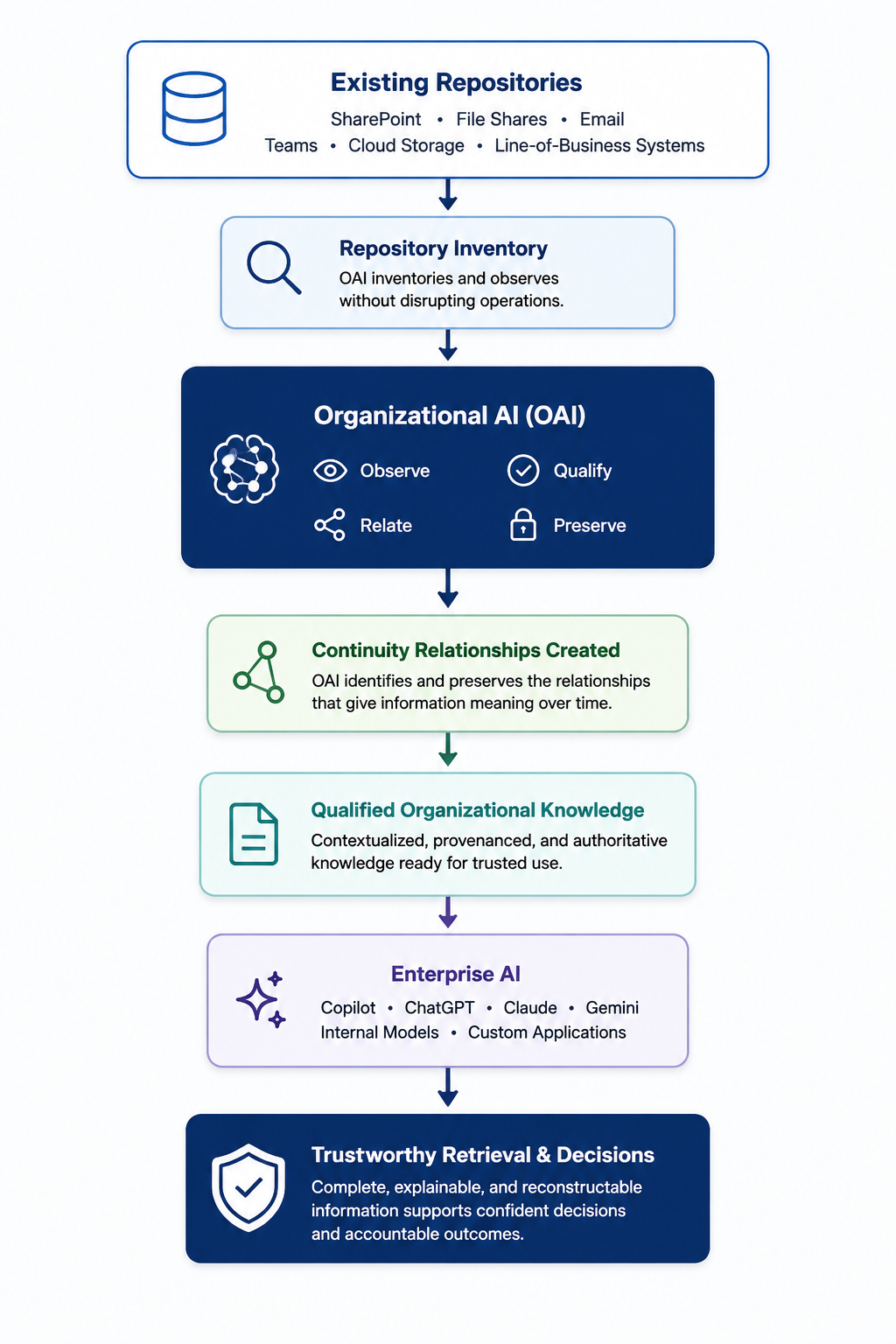
The Agent Was Asked to Fix the App. It Changed the Model.
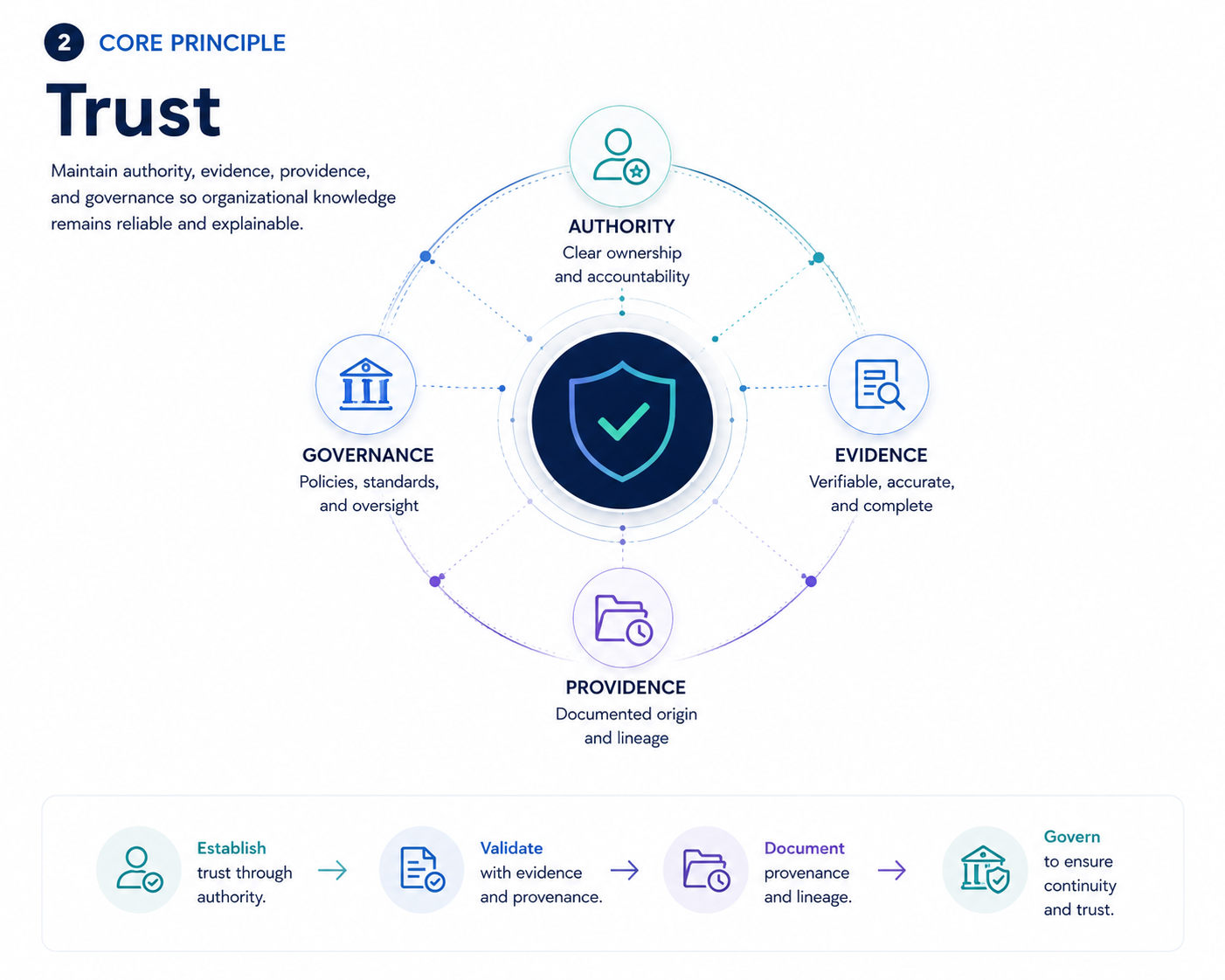
The Government Email Was Real. The Authority Wasn’t.