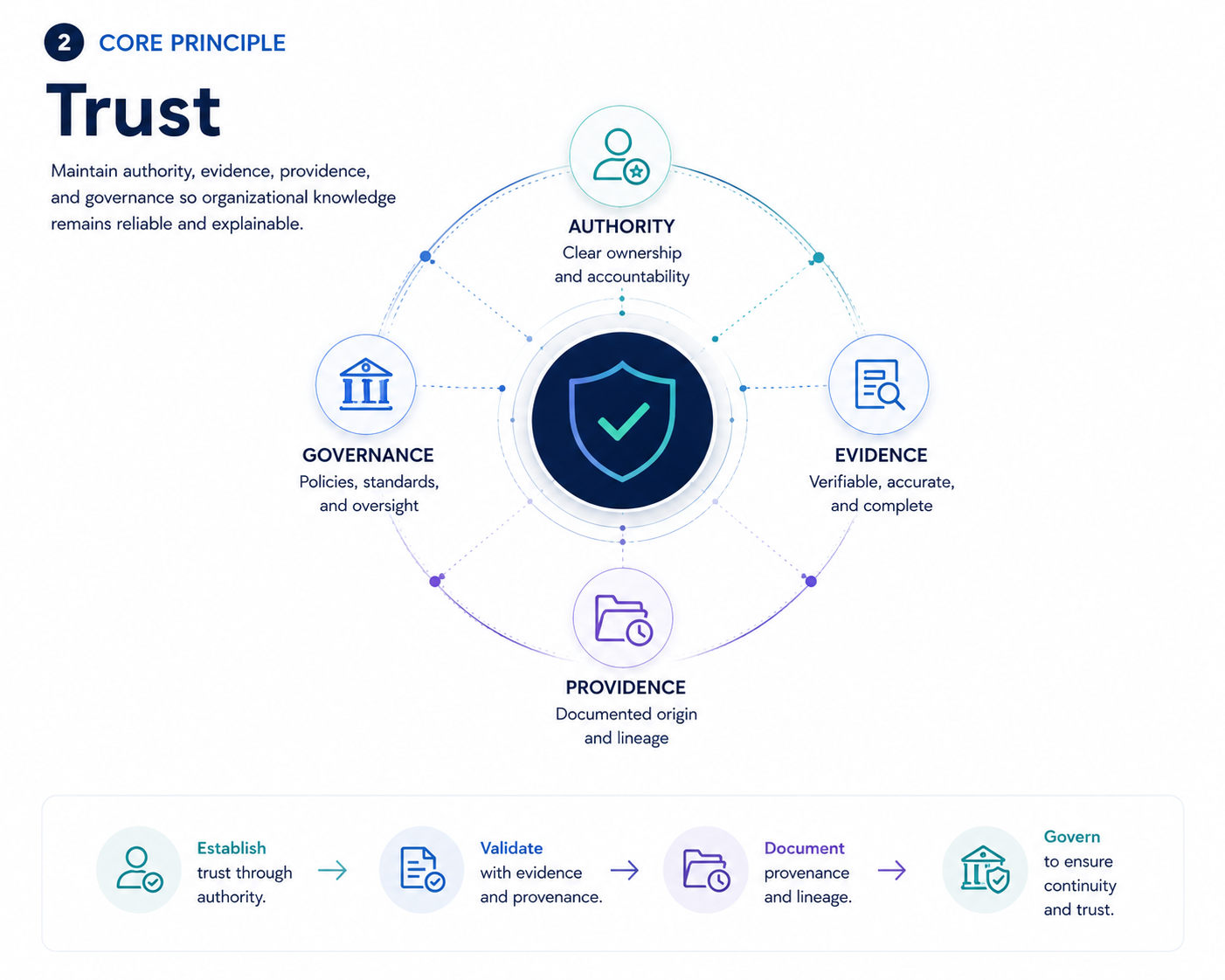
Utility AI Governance Must Survive Operational Change

AI implementation in regulated utilities is moving beyond the question of whether a model can perform a task. The harder question is whether the organization can allow AI to participate in consequential operations while retaining control, accountability, and the ability to explain what happened.
In a July 2026 LinkedIn post from AI for Energy Transition APAC, Tally Group identifies the production gap as governance rather than model capability. It points to policy engines, human oversight, audit trails, and clear accountability as the architecture required for trustworthy AI at scale in a regulated utility environment.
Those controls are essential. They also reveal a second requirement: governance must remain intelligible after the operational moment has passed.
Production Governance Is Often Designed for the Present
A policy engine can determine whether an AI agent may execute a particular action now. A human approval step can decide whether to permit an exception. An audit trail can record what the system did. An accountability model can assign responsibility.
But utility operations persist across long periods of technical and organizational change. Policies are revised. systems are replaced. models are updated. vendors change. personnel move. regulatory interpretations evolve. operational conditions that once justified a decision may no longer exist.
The question is therefore not only whether AI is governed at execution time. It is whether the institution can later reconstruct the relationships that made the execution legitimate.
An Audit Trail Is Evidence, Not the Whole Decision
Audit logs are valuable because they record events. Yet a log showing that an AI agent performed an action does not necessarily establish why the action was institutionally valid.
A future reviewer may need to recover which source information was available, what evidence was accepted, which policy or delegation supplied authority, what operating context constrained the decision, whether a human intervened, what action actually occurred, and what downstream record captured the result.
If those relationships are distributed across policy systems, agent logs, case-management tools, operational platforms, emails, and human memory, the institution may possess every artifact while still being unable to reconstruct the decision.
That is a continuity failure rather than a simple logging failure.
Governance Controls Need a Durable Relationship Architecture
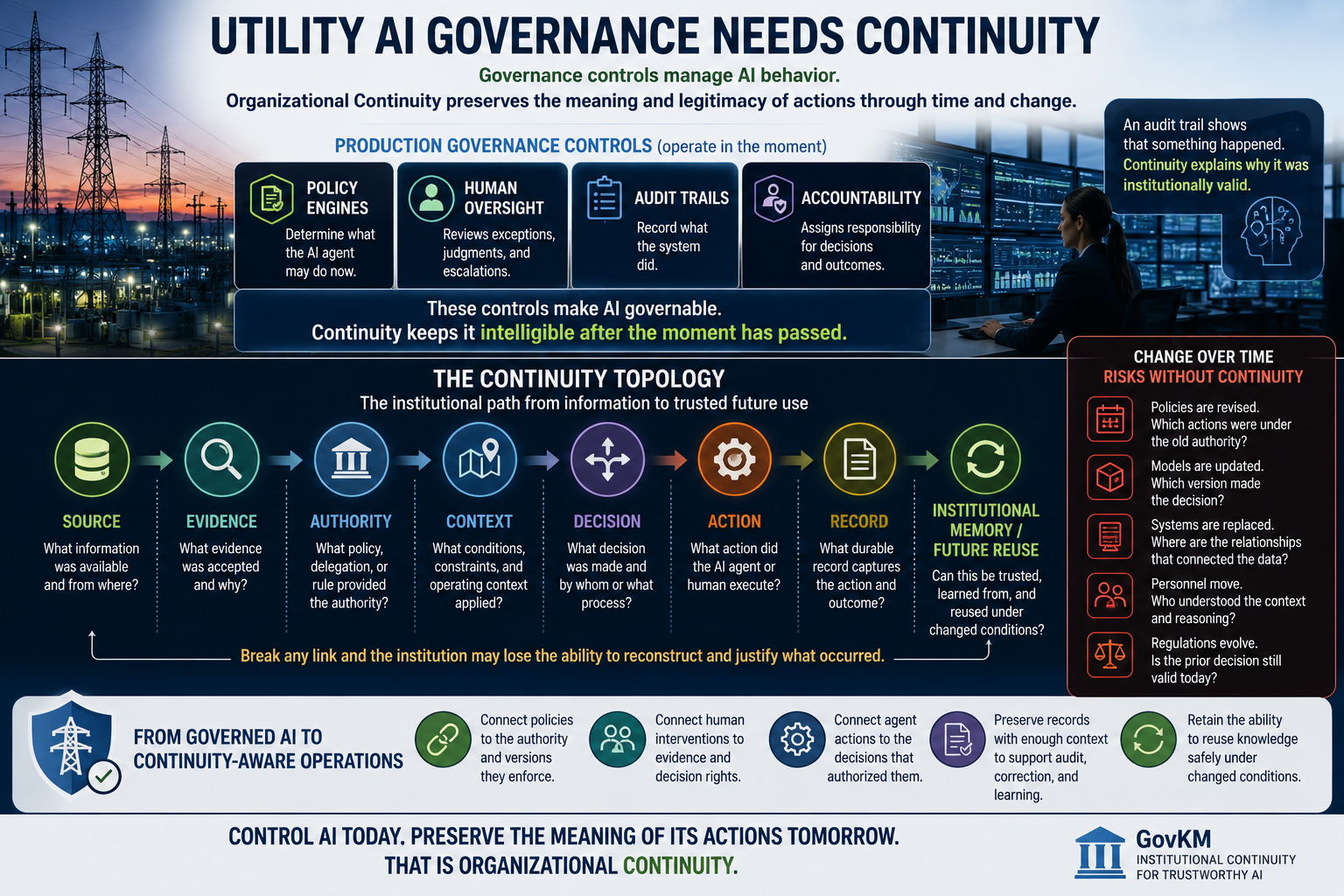
GovKM's Continuity Topology describes the complete path as Source → Evidence → Authority → Context → Decision → Action → Record → Institutional Memory → Future Reuse.
Policy engines operate primarily around Authority and Decision. Human oversight supplies portions of authority, judgment, and escalation. Audit trails strengthen Action → Record. Accountability assigns responsibility around decisions and outcomes.
Organizational Continuity asks whether those controls remain connected to one another through change.
If a policy is updated, can the institution distinguish which prior actions occurred under the old authority? If a model changes, can reviewers determine which version contributed to a particular decision? If a human reviewer leaves, does the record preserve the nature of the intervention rather than merely the person's name? If a future AI system retrieves a prior case, can it determine whether that case remains valid precedent?
Utilities Expose the Time Dimension of AI Governance
Many AI-governance discussions concentrate on deployment approval, runtime monitoring, and incident response. Utilities make the temporal problem easier to see because infrastructure, customer obligations, and institutional accountability routinely outlast individual software systems.
A well-governed action today can become difficult to defend tomorrow if its governing relationships disappear. Conversely, a prior action can become dangerous institutional memory if future systems inherit the outcome without recovering the authority and context that once constrained it.
Governance controls manage AI behavior. Continuity preserves the institutional meaning of that behavior through time and change.
From Governed AI to Continuity-Aware Operations
Tally Group is right to shift the conversation from models and pilots to the operating architecture surrounding production AI. The next step is to ensure that the operating architecture produces durable institutional lineage rather than a collection of disconnected controls.
Policy engines should be connected to the authority and versions they enforce. Human interventions should remain connected to the evidence and decision rights exercised. Agent actions should remain connected to the decisions that authorized them. Records should preserve enough context to support later audit, correction, institutional learning, and qualified future reuse.
That is where AI governance becomes Organizational Continuity.
The utility does not merely need to know that its AI was controlled. It needs to retain the relationships that allow future personnel, regulators, auditors, and AI systems to determine what was controlled, under which authority, why the resulting action was legitimate, and whether the institutional learning remains valid after the environment changes.
Continue Exploring
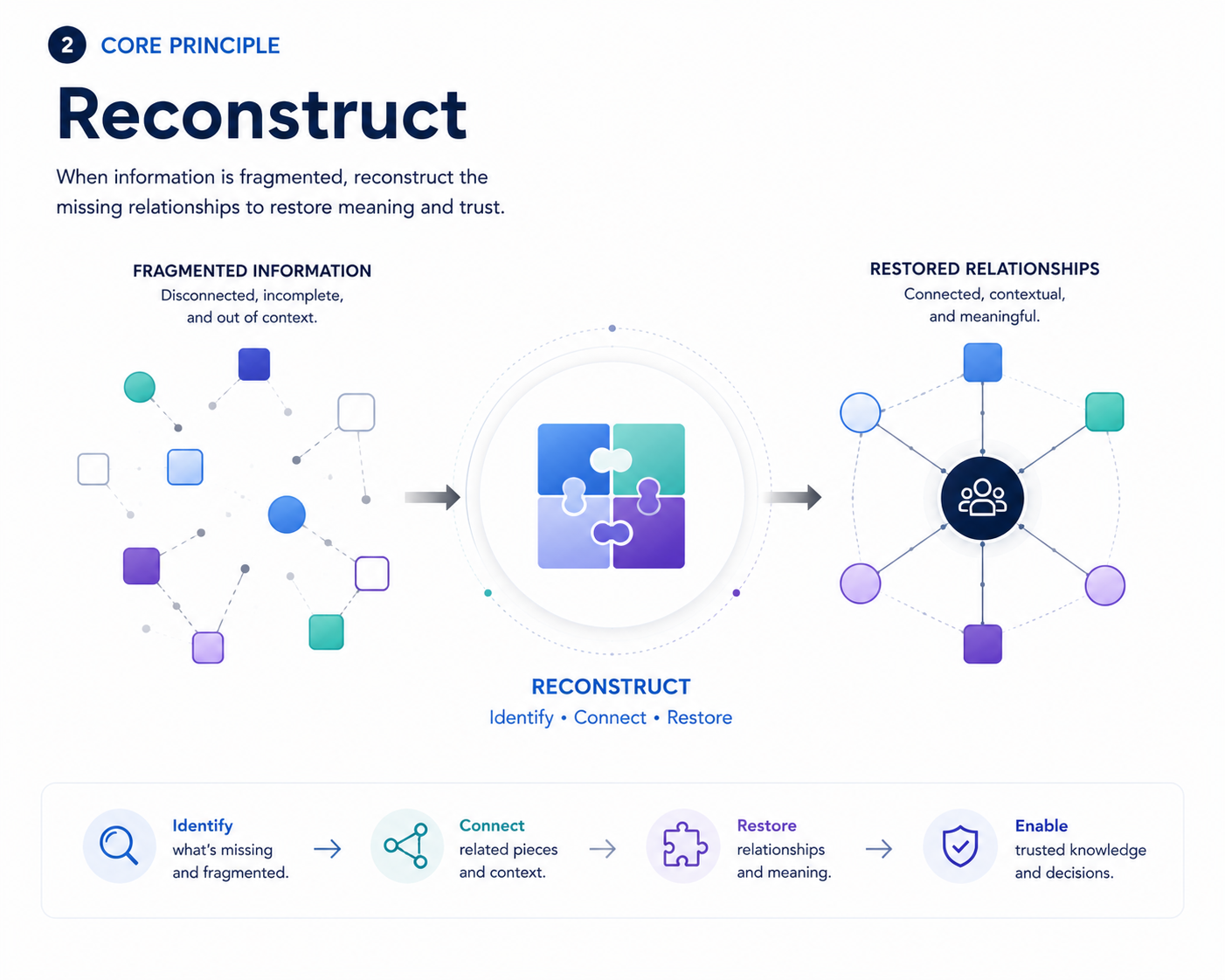
The Answer Was Correct. The Evidence Could Not Prove It.
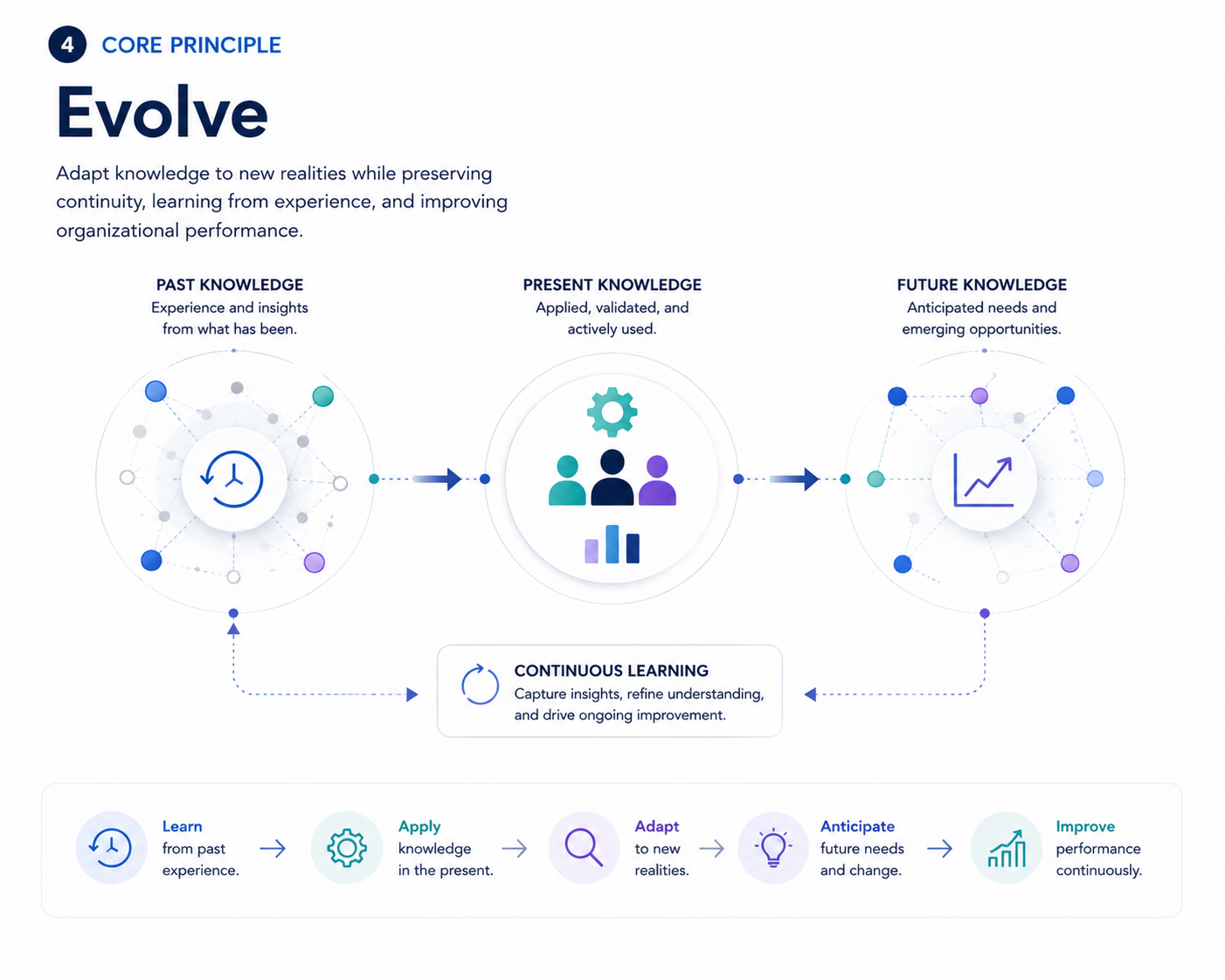
The Model Hadn't Answered Yet. Its Memory Was Already Wrong.