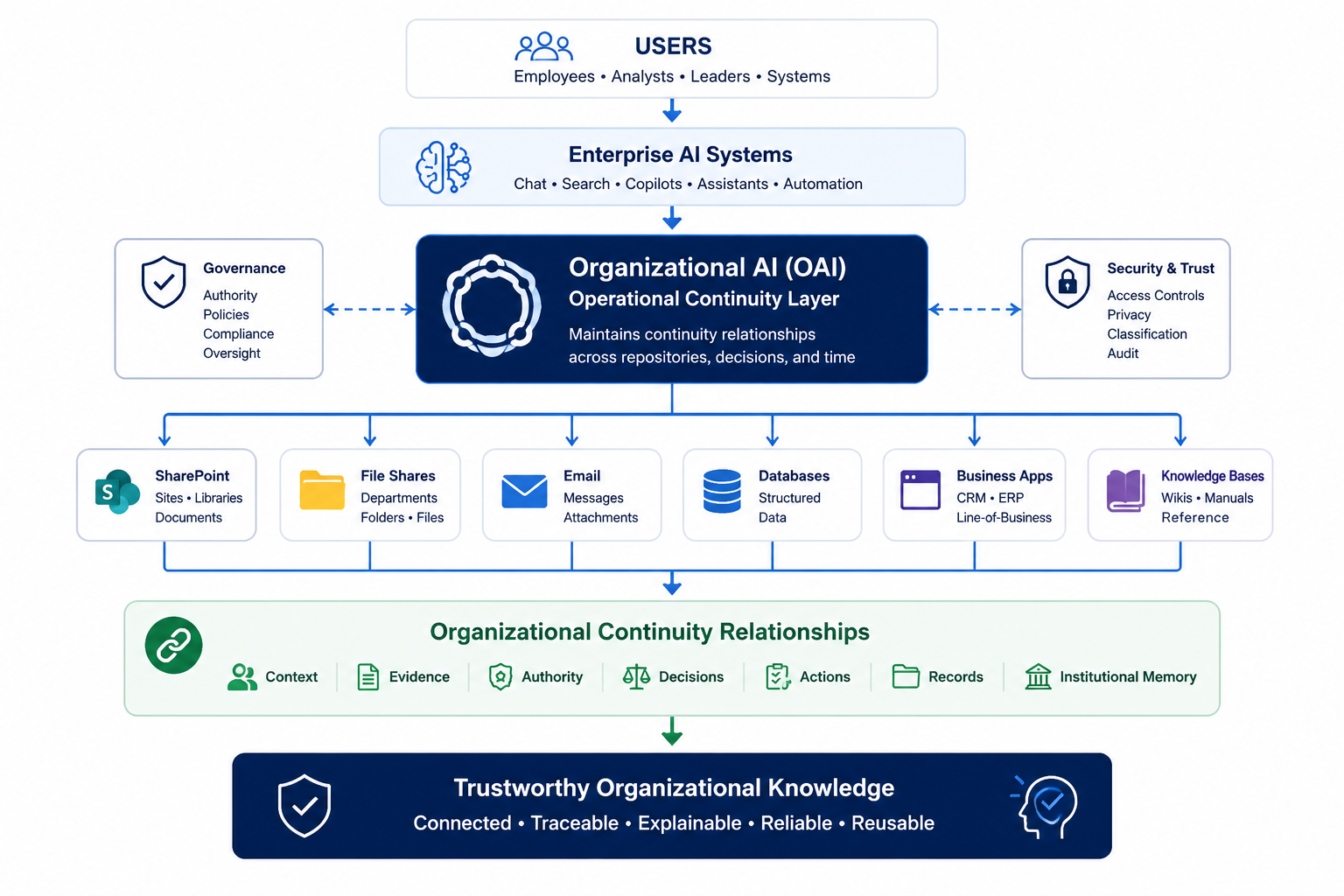
A Decision Memorandum Is Not Decision Provenance.
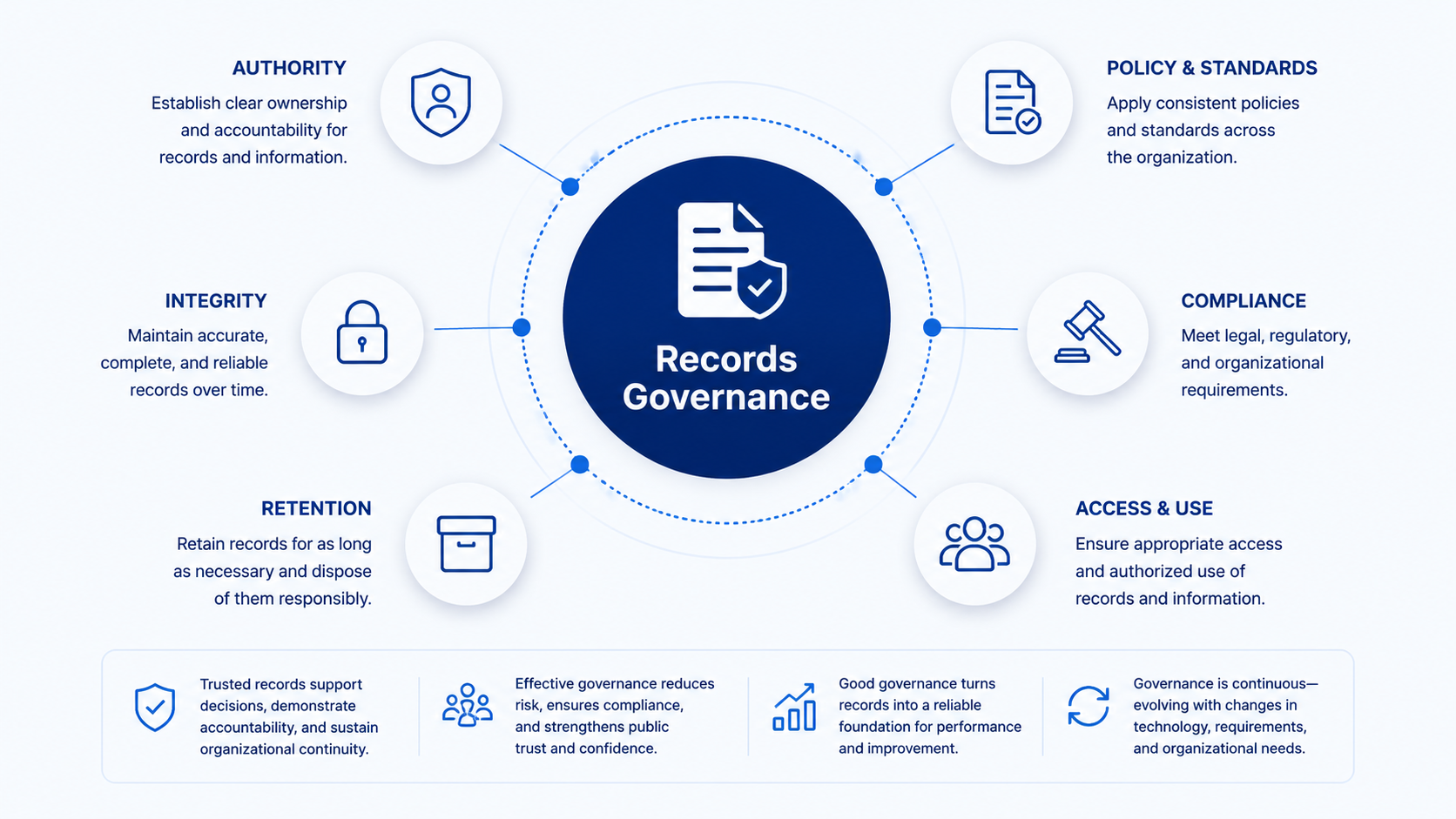

A final decision memorandum can preserve the outcome of a decision while still failing to preserve why that decision was legitimate.
On September 3, 2026, the U.S. Department of Commerce Office of Inspector General released an audit of the National Telecommunications and Information Administration's Public Wireless Supply Chain Innovation Fund award process. The OIG concluded that NTIA had established an adequate formal application-review and award-selection process but did not always follow it and could not appropriately support award decisions for applications in the audit sample.
The recommendations included completing required documentation before decisions, ensuring decision memoranda are supported by program or grant-file documentation, preserving eligibility analyses, and documenting quality-assurance activities.
Outcome is not provenance
A decision record can tell a future reviewer what happened without preserving enough evidence to establish why it happened. In the GovKM Continuity Topology, reliable reconstruction requires the connected path from Source → Evidence → Authority → Context → Decision → Record.
If the eligibility analysis, reviewer evidence, quality assurance, or supporting documentation is missing, the decision memorandum becomes an endpoint detached from the institutional basis that justified it.
Why reconstructability matters
Reconstructability is not merely an audit preference. It allows an institution to defend decisions, identify errors, compare later decisions to precedent, determine whether authority was exercised appropriately, and reuse prior learning without relying on personal recollection.
This becomes still more important when AI participates in grants, acquisition, or eligibility workflows. An AI-generated recommendation or score can accelerate analysis, but the institution still needs to preserve which evidence was used, which criteria governed the evaluation, which authority made the decision, and how the final record connects to that lineage.
GovKM interprets the NTIA audit as evidence for a concise principle: a decision memorandum is not decision provenance. Provenance is the recoverable relationship among the evidence, authority, context, judgment, and record.
Source
U.S. Department of Commerce Office of Inspector General, “Audit of NTIA’s Public Wireless Supply Chain Innovation Fund Award Process for Notice of Funding Opportunity 1,” Report OIG-26-027-A, September 3, 2026.
Continue Exploring
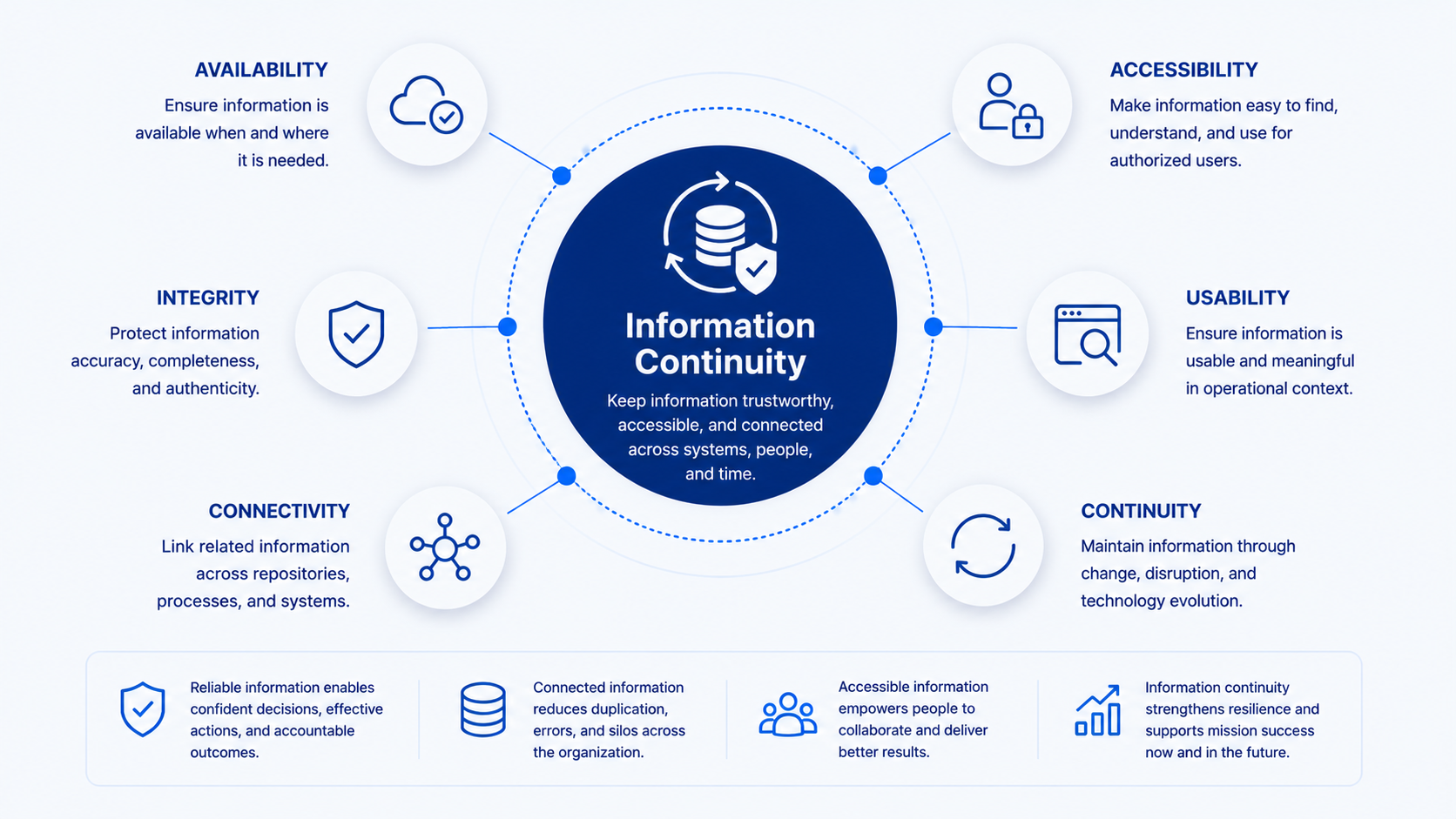
Aggregation Is Not Continuity.
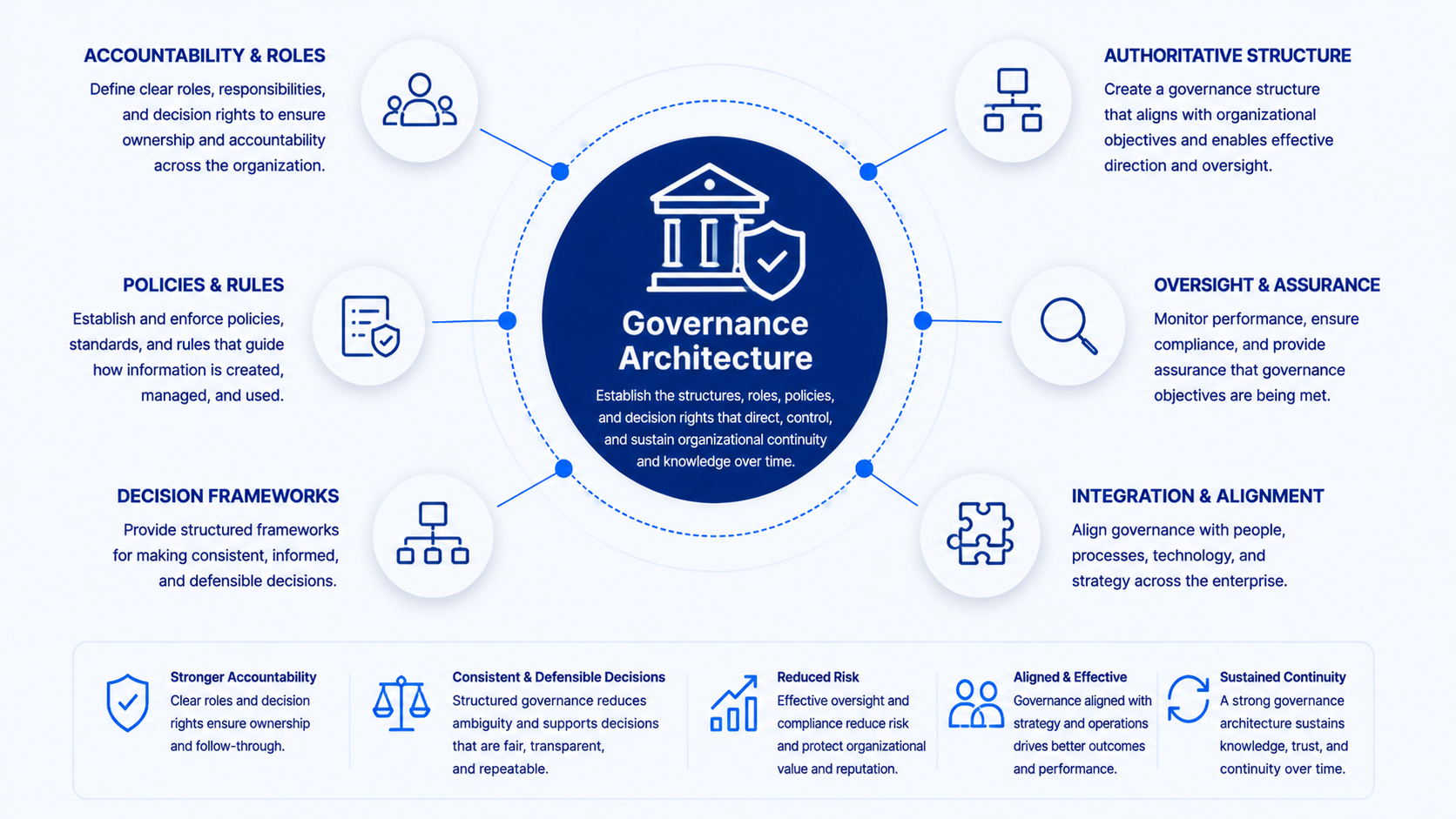
The Event Happened. Detection Never Turned It Into Evidence.