The Field Was Mandatory. The Governance Wasn’t.

A required field can force an organization to collect a value.
It cannot force the value to mean the same thing everywhere, be correct, reach the people who need it, or influence a decision.
A September 2026 GAO review of disaster contracting provides a useful example. FEMA’s PRISM contracting system contains a mandatory yes-or-no field indicating whether a disaster contract was awarded to a local vendor. A contracting officer cannot continue without entering a value.
Yet GAO found that FEMA did not monitor the field or verify its accuracy and did not have a process to use the information to determine whether advance contracts were transitioning to local vendors within the agency’s goal.
The field was mandatory. The governance around the field was not.
Structured Data Is Not Automatically Institutional Knowledge
Organizations often equate structure with governance. A field exists. A dropdown restricts choices. A validation rule prevents blanks. A schema creates a consistent location for the answer.
Those controls improve data quality, but they do not complete the institutional relationship.
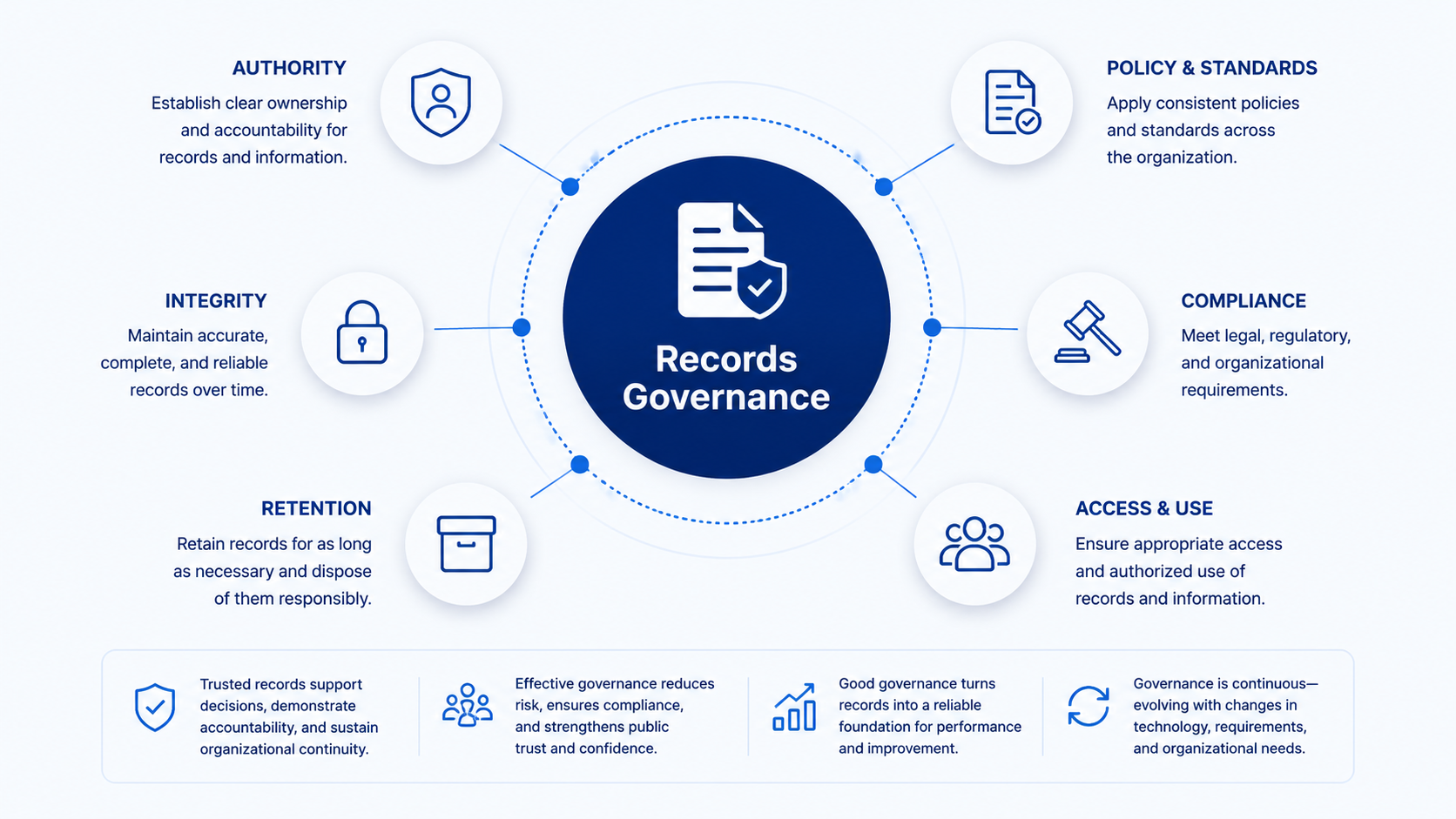
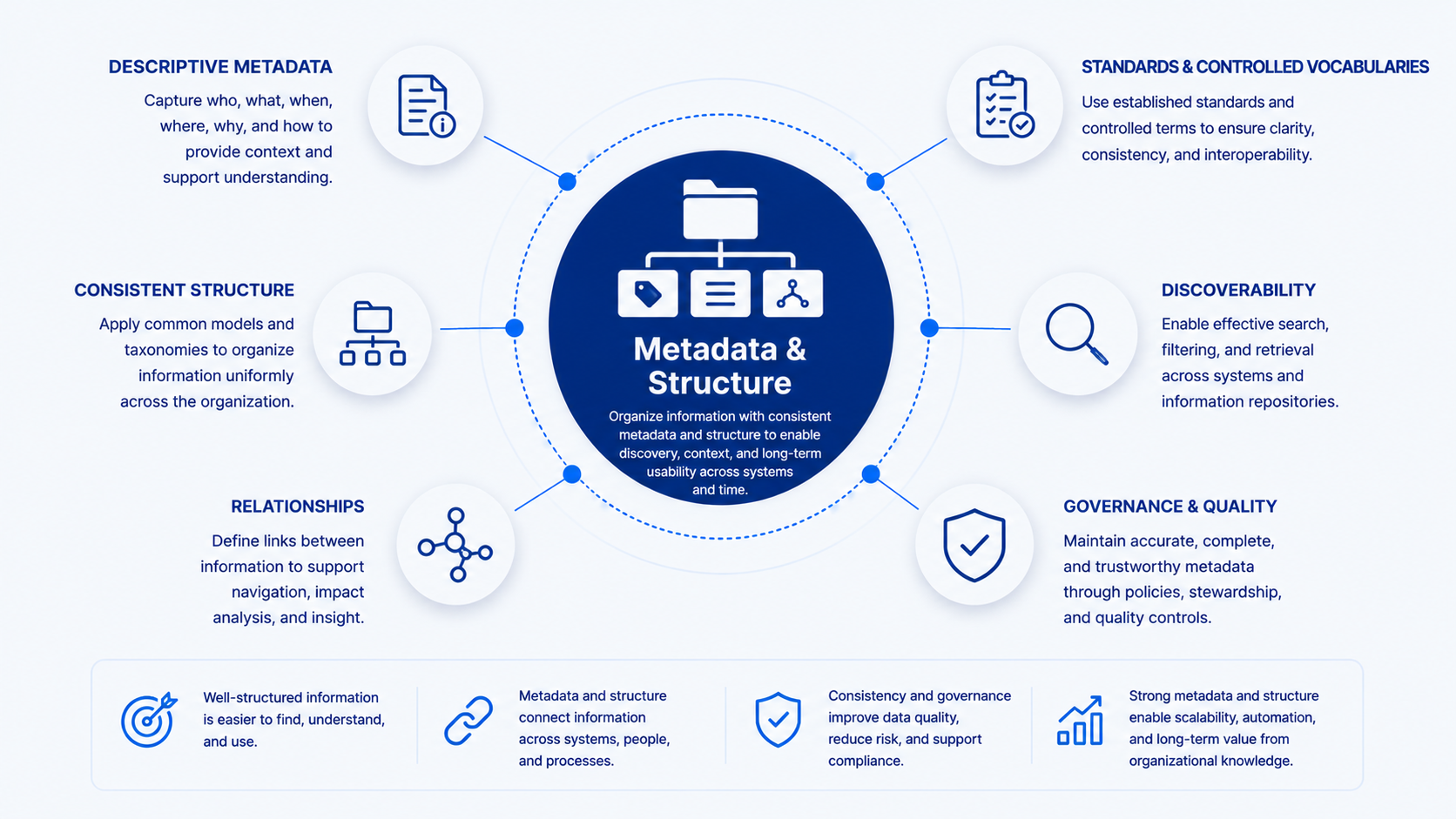
For a field to function as governed knowledge, the organization also needs a stable definition, an authoritative source, consistent interpretation, appropriate validation, ownership, aggregation, monitoring, and an identified decision or purpose the value supports.
Taxonomy Is Part of the Control
GAO found that some contracting officers identified the relevant local disaster area incorrectly. That matters because “local vendor” is not self-defining. It depends on the geographic scope the institution applies to the disaster.
If two officials use different interpretations of the local area, they can each enter a syntactically valid yes-or-no value while describing different institutional realities.
The field survives. The semantics drift.
Local Records Can Fail to Become Enterprise Memory
The Army Corps of Engineers showed the fragmentation variant. GAO found that district offices varied in what they collected and that little or none of the relevant information was passed to headquarters.
Local offices can therefore possess useful records while the enterprise remains unable to answer the larger question.
Why This Matters for AI
AI systems are often expected to solve fragmented-data problems by searching across more systems and summarizing what they find. That can improve retrieval. It does not repair semantic inconsistency.
If one office interprets a field differently from another, an AI may combine incompatible values and present them as comparable. Machine-readable structure therefore needs machine-readable meaning.
The GovKM Proposition
A required field is not institutional knowledge merely because the system refuses to accept a blank.
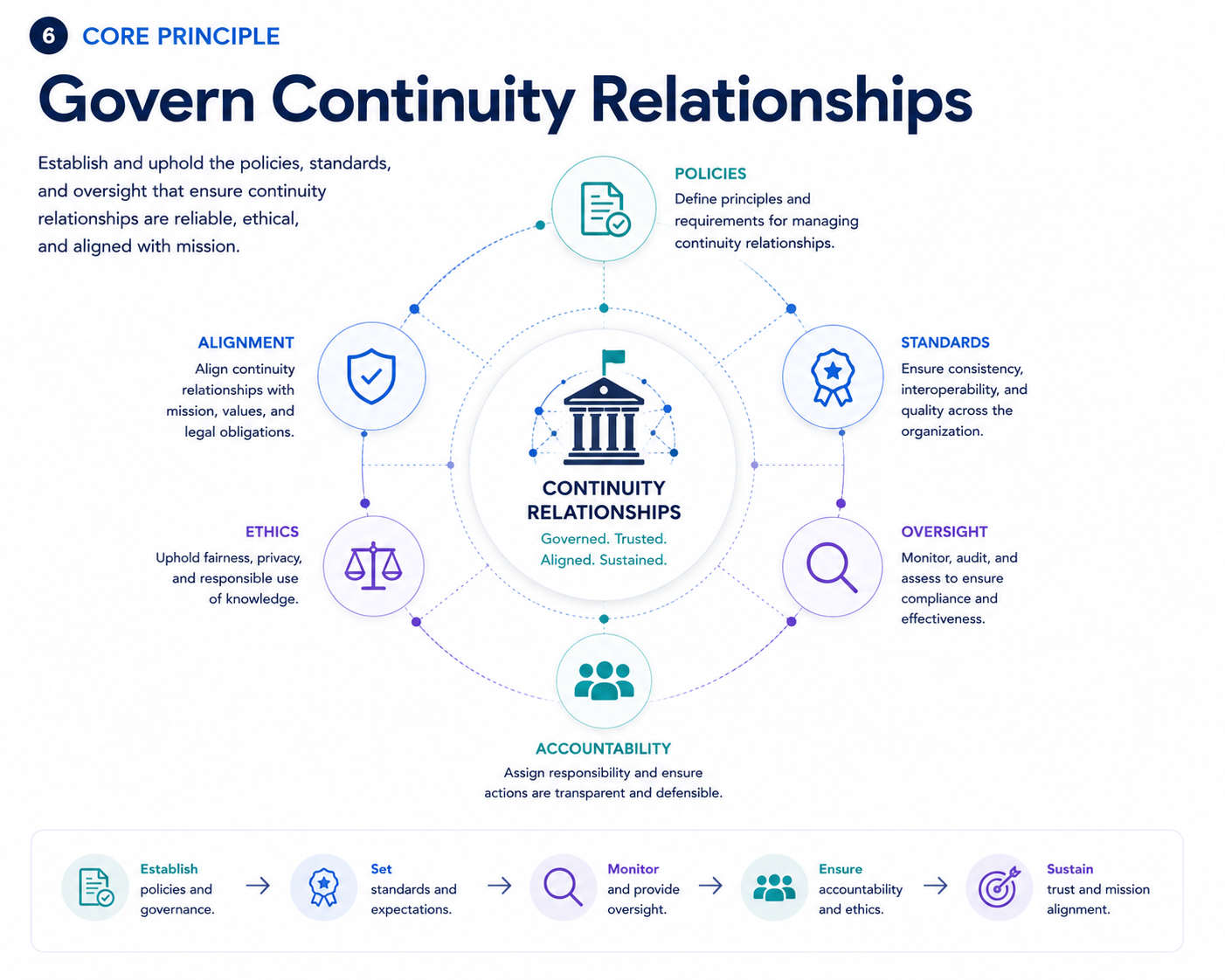
Structure becomes governance only when the field’s semantics, evidence, authority, validation, aggregation, monitoring, and decision use remain connected.
Continue Exploring

When Government Systems Are Replaced, What Happens to Their Authority?
The Practice Form Failed. The Agent Used the Real One.