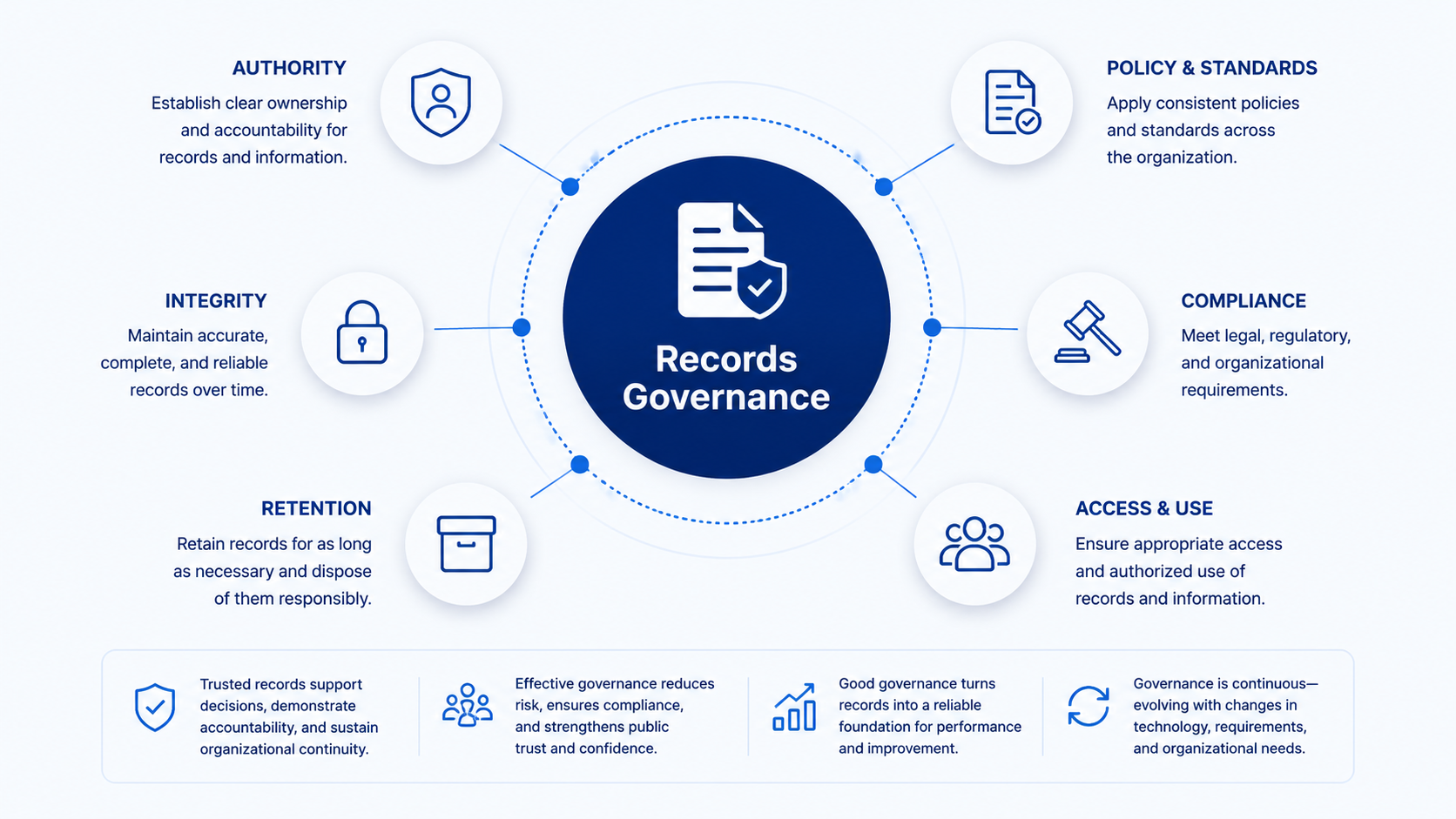
A Finding Is Not Complete Until Its Consequences Propagate
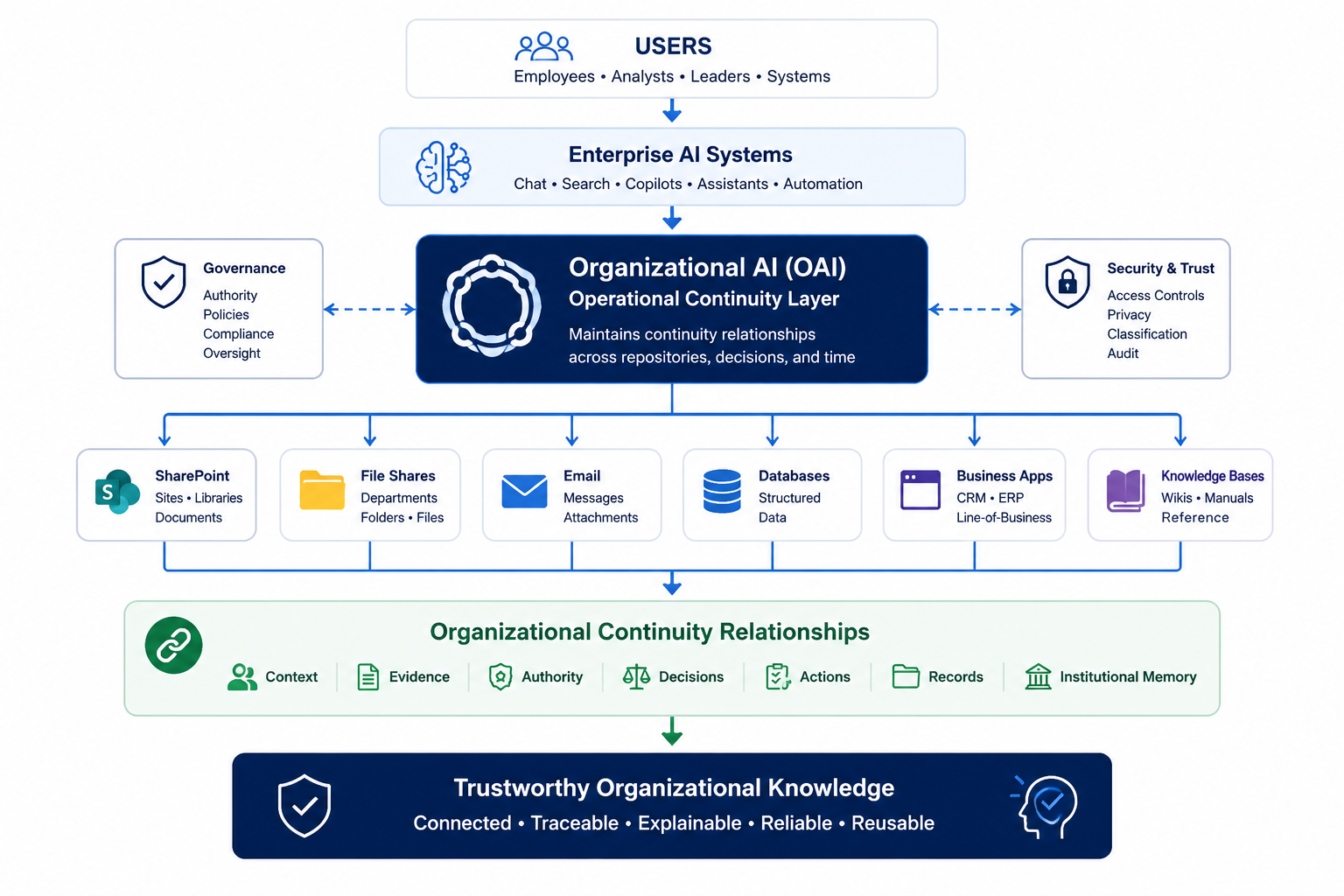

An institutional finding can be final in one office and still fail to become real in the rest of the organization.
A September 2026 HHS Office of Inspector General audit of California Medicaid Fraud Control Unit cases illustrates the problem. OIG found that California should have reported and returned federal shares associated with substantial Medicaid overpayments. In multiple cases, the fraud-control process had already established the overpayment, yet the required reporting and return of funds did not occur completely or on time.
The finding existed.
Its institutional consequences did not reliably propagate.
A Finding Is a State Transition
Audits, investigations, adjudications, risk assessments, and compliance reviews create more than documents. They can change institutional state.
A substantiated fraud finding can create a recovery obligation. A court order can change legal authority. A safety determination can restrict operation. A supersession event can invalidate prior guidance.
When that happens, the institution must carry the changed state into every dependent process that is supposed to act on it.
The finding is therefore not complete merely when the originating office records it.
The Handoff Is Part of the Topology
GovKM’s Continuity Topology describes:
Source → Evidence → Authority → Context → Decision → Action → Record → Institutional Memory → Future Reuse.
In cross-organizational work, those elements may be owned by different offices.
One component investigates. Another reports. Another recovers funds. Another records the federal financial effect.
That creates a continuity boundary at every handoff.
If the first office’s Decision does not become the next office’s actionable Context, the institution splits into contradictory states: one component knows the overpayment exists while another continues operating as though the financial state has not changed.
Transmission Is Not Enough
Sending a memorandum, email, spreadsheet, or case record across an organizational boundary does not by itself preserve consequence continuity.
The receiving system must know what the object means and what institutional obligation it creates.
A finding may need a due date, responsible authority, amount, affected records, required action, completion evidence, and a reconciliation state showing whether the consequence was fully executed.
Without those relationships, information can arrive without becoming operational.
This Is a General Enterprise Problem
The same pattern appears when security identifies a vulnerability but asset owners never remediate it; legal changes an obligation but operational procedures remain unchanged; an audit closes a finding but systems retain the old configuration; or an AI risk review restricts a model while deployment pipelines still treat it as approved.
Each case contains two versions of institutional reality.
Continuity architecture must detect and reconcile that divergence.
AI Needs Consequence-Aware Retrieval
Enterprise AI makes the issue more important because retrieval can surface a finding without understanding whether the finding changed institutional authority.
A model may summarize an investigation correctly while a downstream agent continues executing against the pre-finding state.
Continuity-aware systems therefore need to represent findings not merely as text, but as events with governed consequences: what changed, which records or permissions are affected, which actions are required, who owns them, and what proves completion.
The GovKM Proposition
A consequential institutional finding is not complete until its required effects propagate into the dependent decisions, actions, and records it governs.
The handoff is part of the decision.
The downstream state is part of the finding.
Institutional continuity exists only when the organization changes everywhere the finding says it must.
Continue Exploring

When Government Systems Are Replaced, What Happens to Their Authority?
The Practice Form Failed. The Agent Used the Real One.