One Person, Multiple Institutional Identities

An institution can possess a correct identity record and still produce inconsistent institutional identities.
That distinction appears in an August 2026 audit of the Social Security Administration's Numident verification systems. SSA's Numident is foundational identity infrastructure: external and internal systems submit identifying information and receive verification results based on matching criteria. The Office of the Inspector General recommended that SSA establish processes for components to collaborate on those criteria and periodically assess whether the criteria should be strengthened.
The finding exposes a continuity problem that is easy to mistake for ordinary data quality. The underlying person has not changed. The source identity record may not have changed. What can change is the institutional interpretation produced when different systems apply different rules to that identity.
Identity Is More Than a Record
Organizations often treat identity as a field, identifier, account, or master record. Those objects matter, but operational identity is produced through relationships. A system must know which source is authoritative, which attributes are relevant, which matching rules apply, what uncertainty is acceptable, and what conclusion another system is permitted to draw.
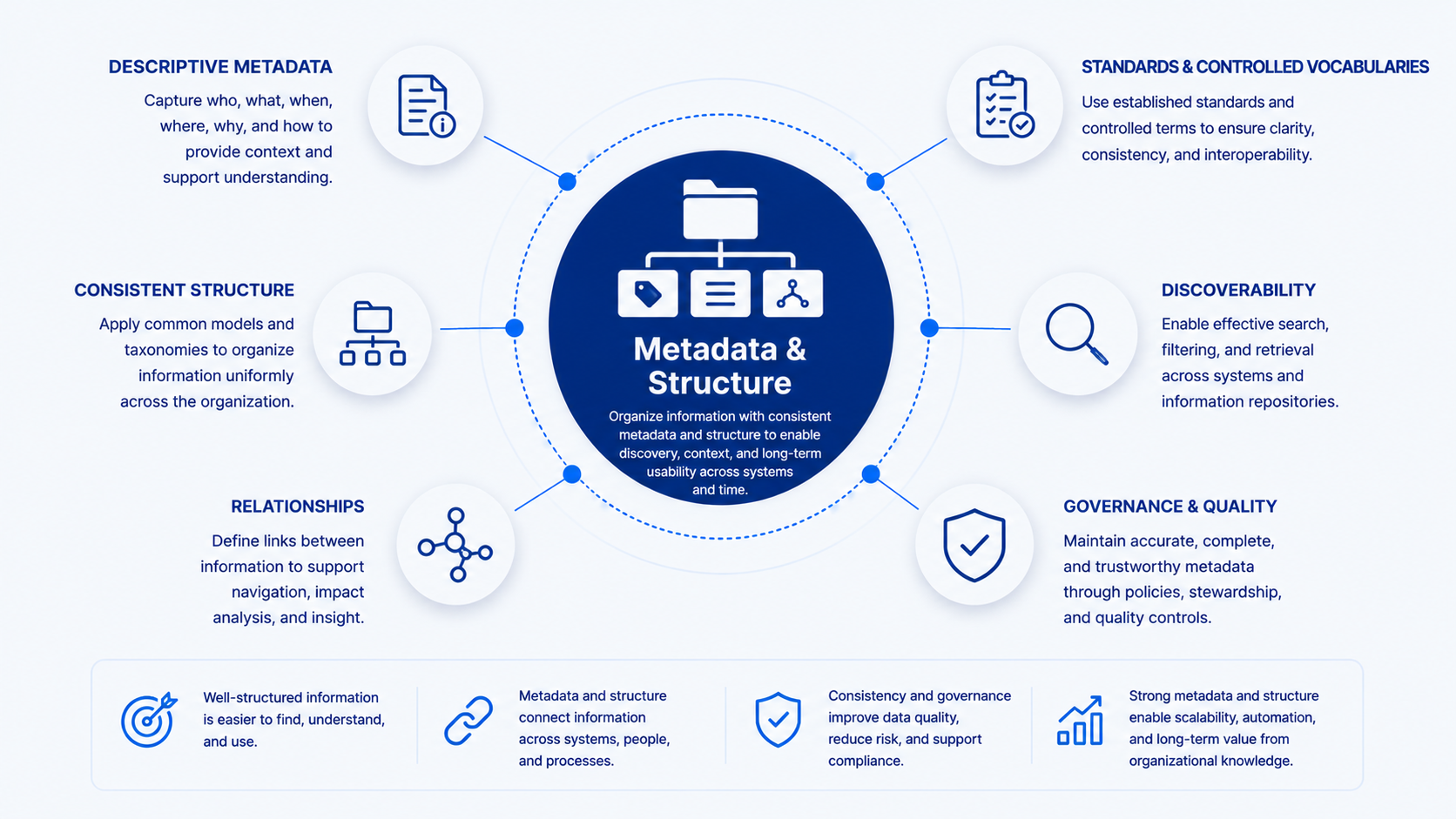
Viewed through the GovKM Continuity Topology, the path is Source → Evidence → Authority → Context → Decision. The source may be a foundational identity record. The evidence is the submitted information and its correspondence to that record. Authority determines which rules and systems may establish a match. Context determines the purpose and acceptable threshold. The resulting decision is the institutional conclusion that the identity has or has not been verified.
If the matching criteria evolve independently, the same person can acquire different operational identities across the same institution.
The Continuity Risk Is Semantic
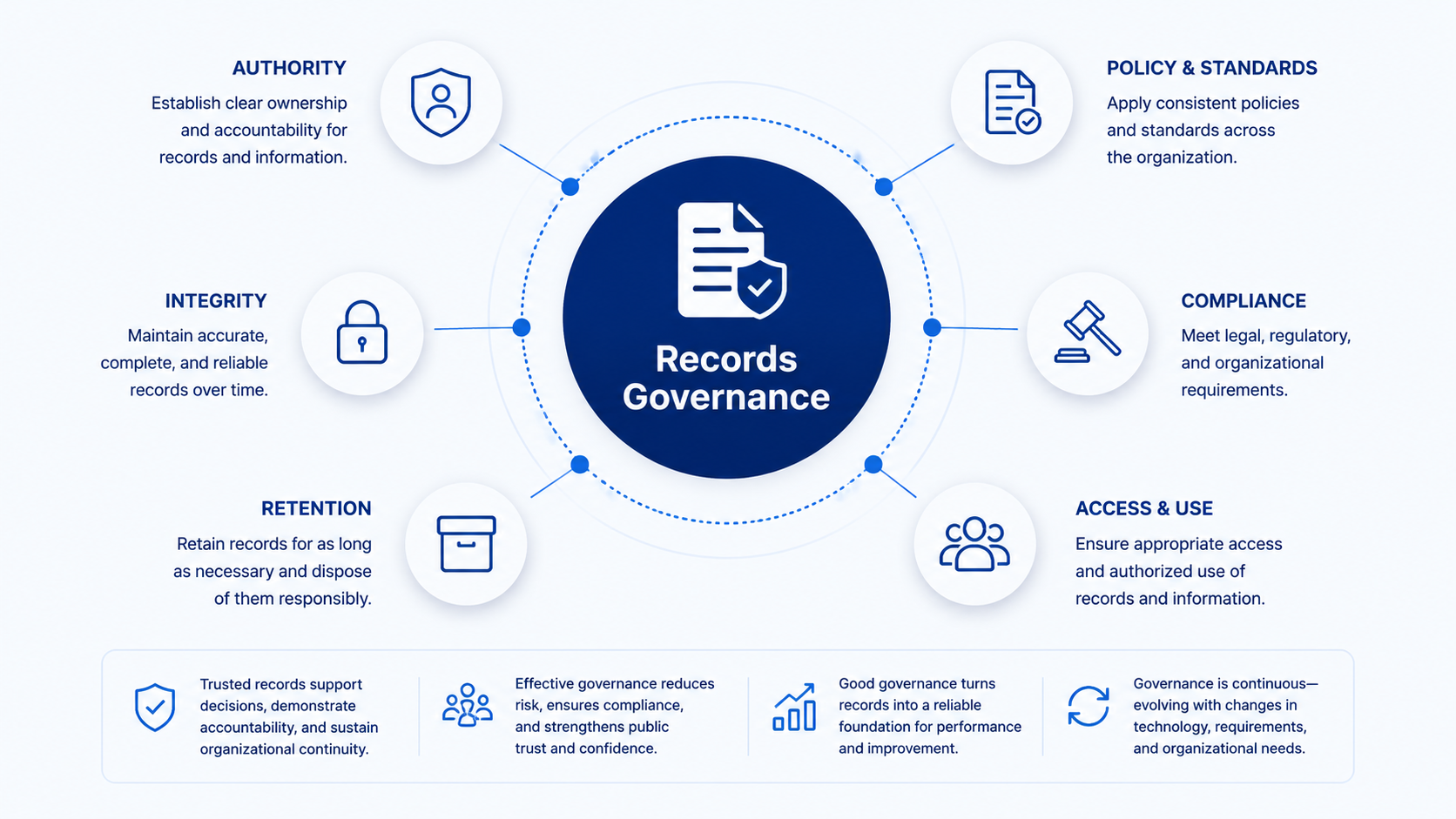
This is why identity continuity cannot be solved solely by consolidating databases. A single source of truth does not guarantee a single governed interpretation of truth.
Two systems can query the same authoritative source and still reach different conclusions because their criteria, thresholds, exceptions, or purposes differ. Sometimes that difference is legitimate. The continuity requirement is not universal sameness. It is the ability to reconstruct why the representations differ and whether each difference is authorized.
Without that relationship, downstream users encounter a result—matched, unmatched, eligible, ineligible, authenticated, rejected—without enough institutional context to understand what the result actually establishes.
AI Raises the Stakes
AI systems increasingly consume verification results as inputs to later analysis and action. An AI agent may not see the matching logic that produced an identity conclusion. It may receive only the conclusion itself.
That creates a risk of authority inflation. A conditional verification result can become a seemingly objective fact once detached from the rules, thresholds, and purpose that generated it. If that fact is reused across systems, the institution can propagate an interpretation whose governing conditions are no longer visible.
Continuity-aware identity architecture therefore needs to preserve more than the identifier. It needs the lineage of the institutional conclusion: source, evidence, matching method, governing authority, context, time, and permitted reuse.
One Person Should Not Become an Unexplained Set of Identities
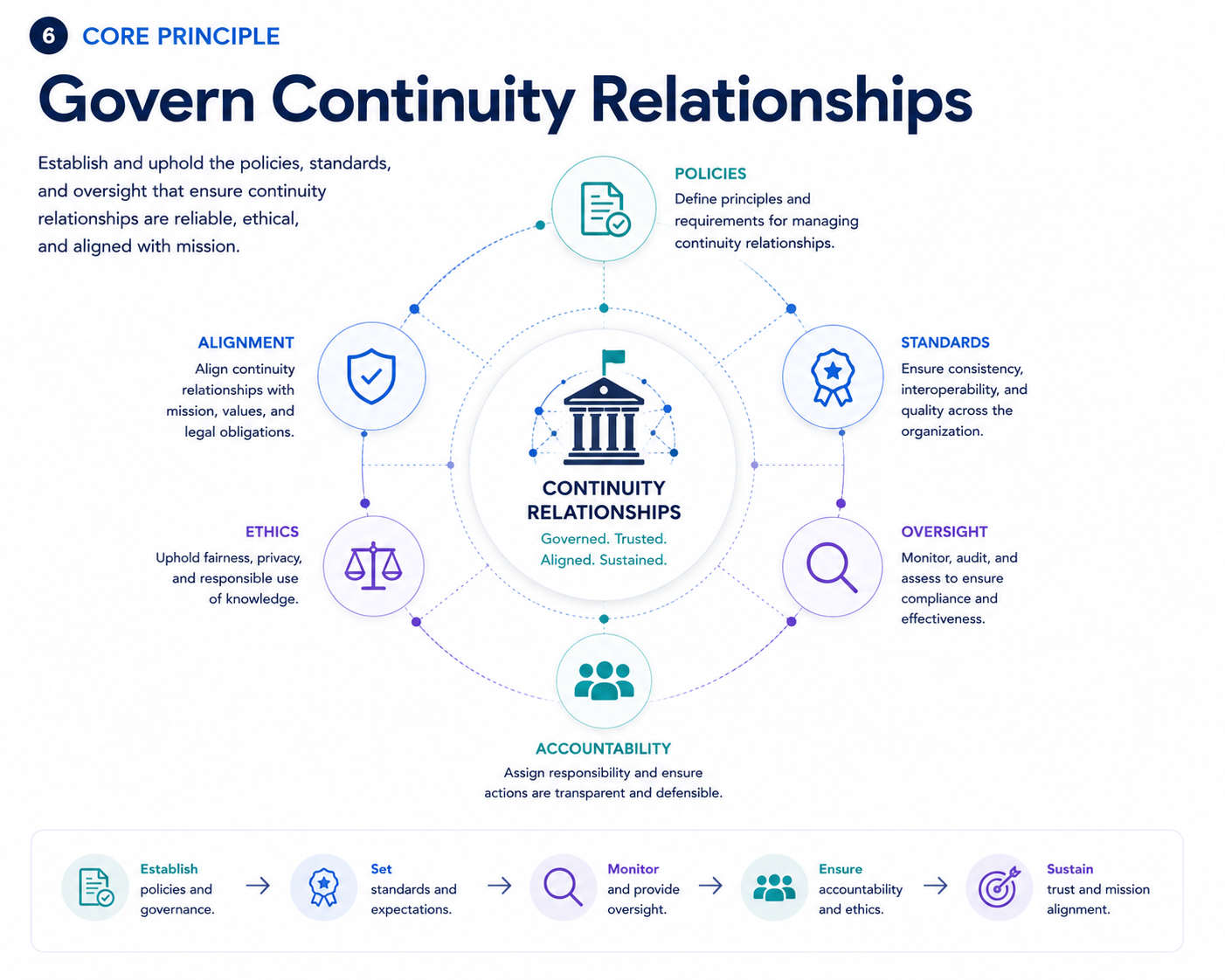
The SSA audit provides a useful government example of a broader principle. Identity is not merely what an institutional record says a person is. Identity is also what the institution is authorized to conclude about that person in a particular operational context.
Identity continuity exists when different systems can explain not only whom they represent, but how and under what authority they reached that representation.
For organizations preparing information for AI, that distinction will matter increasingly. AI can reconcile strings and identifiers. It cannot responsibly reconcile institutional identity rules whose differences the institution itself has not governed.
Continue Exploring

When Government Systems Are Replaced, What Happens to Their Authority?
The Practice Form Failed. The Agent Used the Real One.