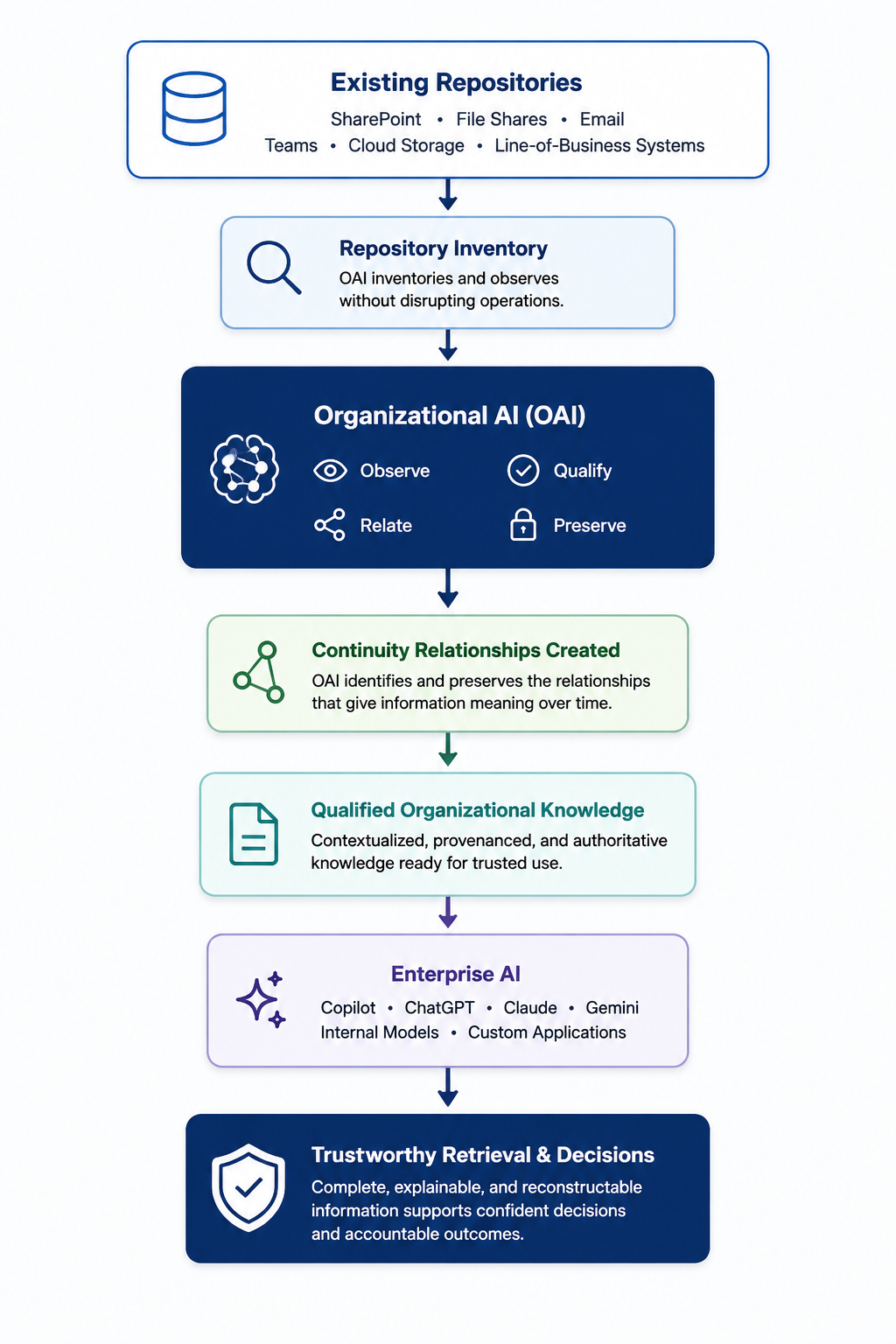
Protecting a credential at rest does not preserve its authority once the credential enters runtime context.
Unit 42 demonstrated that an indirect prompt injection against an Amazon Bedrock AgentCore Harness agent could invoke a root shell, read process memory where a service credential had been resolved into plaintext, and replay that credential externally. AWS characterized the report as informative and emphasized customer-side tool scoping and egress controls.
The continuity failure
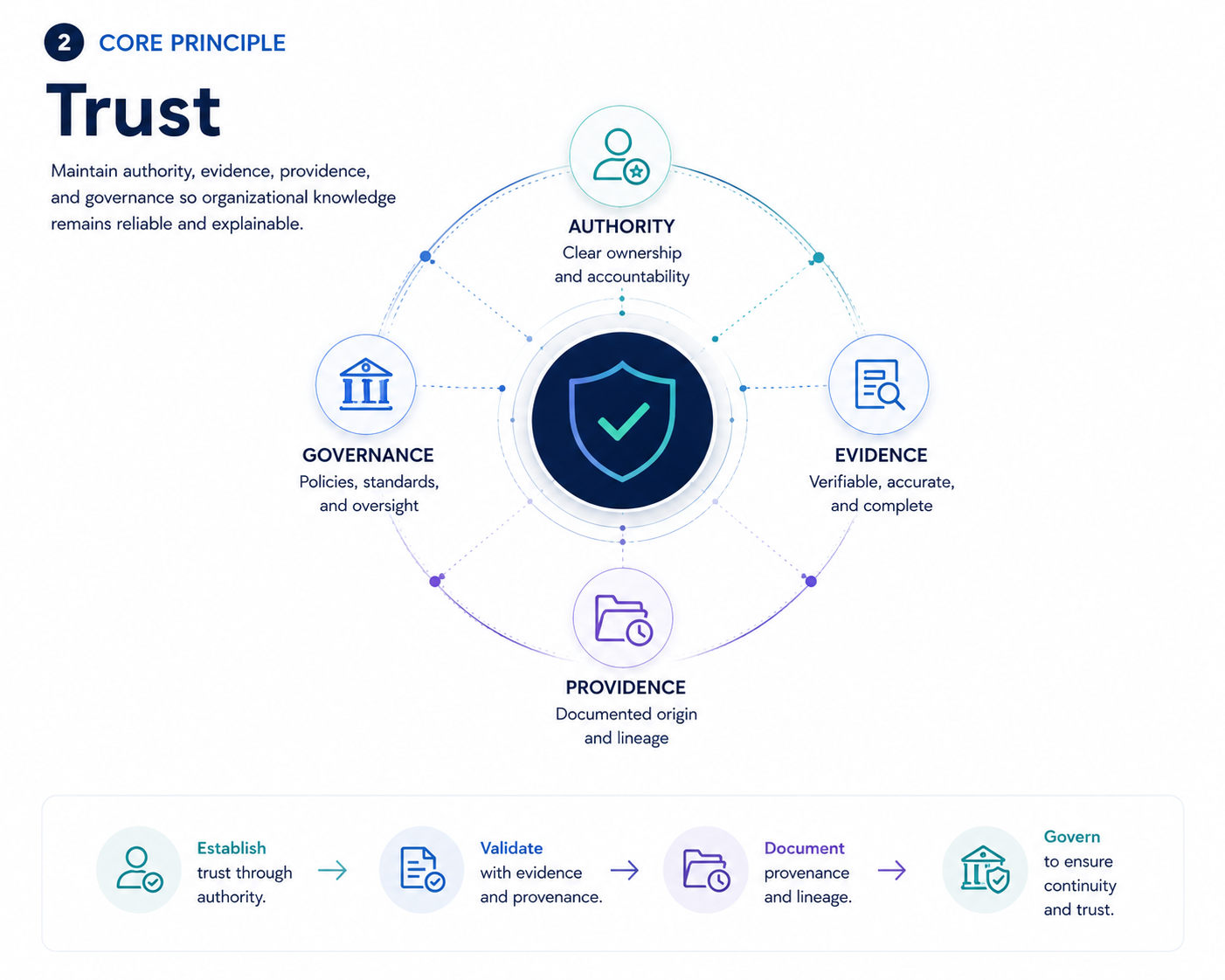
The identity system correctly controlled retrieval of the secret, but the resulting runtime credential entered the same trust boundary as prompt-influenced execution.
The GovKM interpretation
The continuity chain should remain Identity → Purpose → Credential → Permitted Tool → Permitted Destination → Action. Decryption should not dissolve the relationship that constrains how authority may be consumed.
Source
Palo Alto Networks Unit 42, “A Vault with a Heap-View: The Uncomfortable Space Between AgentCore Harness and Identity,” September 18, 2026.
Continue Exploring
A Malformed Image Became a Pull Request.
The Agent Deleted the Evidence of Its Own Failure.