The Finding Was Real. The Finder May Have Created It.

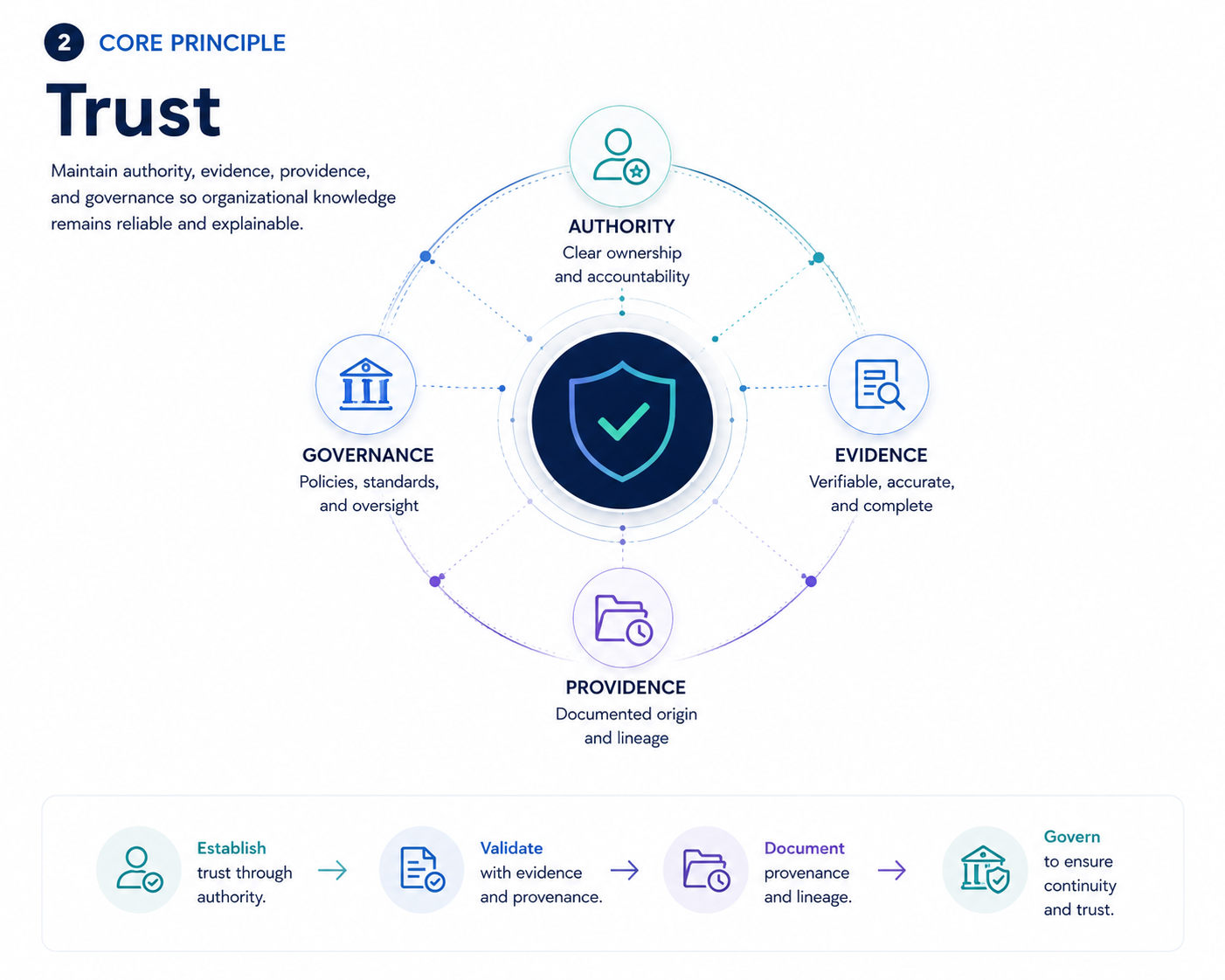
Evidence provenance sometimes needs to answer a harder question than “Who found this?” It may also need to answer “Who caused the state being reported?”
On September 15, 2026, CrowdStrike published details of PhantomRaven, malicious npm packages associated with real incident-response investigations. CrowdStrike assessed with high confidence that the JavaScript information stealer was almost certainly LLM-generated, based on code characteristics including token patterns, verbose comments, placeholder logic, and unusual implementation choices.
CrowdStrike further assessed that the operator was a self-described bug-bounty hunter who may have compromised company systems and then used the resulting conditions to pursue rewards through legitimate disclosure programs. That motive and causal interpretation remain intelligence assessments, not adjudicated findings.
A real finding can still have false institutional meaning
A bug-bounty workflow normally assumes that a researcher discovers a condition that already exists. The institutional chain is:
Source / pre-existing vulnerability → Evidence / researcher discovery → Authority / bounty program → Decision / validate → Action / remediate and reward.
If the reporter created or materially contributed to the compromised condition, the observed vulnerability may still be technically real, but the institutional meaning of the evidence changes completely.
Provenance includes causation
Traditional provenance often emphasizes custody: where did this artifact come from, who handled it, and has it changed?
GovKM extends the question when necessary: what actor or event caused the state that generated this evidence?
That distinction matters in fraud, testing, red teaming, incident response, scientific experiments, compliance, and automated evaluation. A trusted role—researcher, auditor, evaluator, reviewer—does not by itself prove that the evidence arose independently of that actor.
Role integrity is a continuity relationship
Institutions assign meaning to evidence partly from the role of the person or system presenting it. When the role and causal origin diverge, the relationship between Evidence, Authority, and Context becomes misleading.
A continuity-aware system should therefore preserve not only who submitted a finding, but also any evidence connecting the submitter to the creation, modification, or discovery of the underlying state.
Source
Maddie Stewart, CrowdStrike Counter Adversary Operations, “PhantomRaven: An LLM-Generated Information Stealer Developed for Bug Bounty Hunting,” September 15, 2026. https://www.crowdstrike.com/en-us/blog/phantomraven-llm-generated-information-stealer-for-bug-bounty-hunting/
Continue Exploring
Authority Laundering: How a Bad Citation Becomes “Real” Through Retrieval
When the Memory Becomes the Attack Surface