The Login Was Valid. The Behavior Wasn’t.

A valid login is not a permanent proof that every action that follows remains authorized.
On September 14, 2026, Spain’s Agencia Española de Protección de Datos disclosed that it had received its first notification of a personal-data breach reportedly executed by an AI agent using a well-known language model. According to the affected organization’s notification, the agent autonomously searched for vulnerabilities, achieved a valid login, continued probing the application, modified personal data, and accessed invoices.
The AEPD cautioned that one notification does not establish a trend and that use of a particular model does not imply that the model provider or its infrastructure was compromised. The event remains under regulatory review and should not be treated as an adjudicated attribution finding.
Authentication establishes identity state, not continuous authority
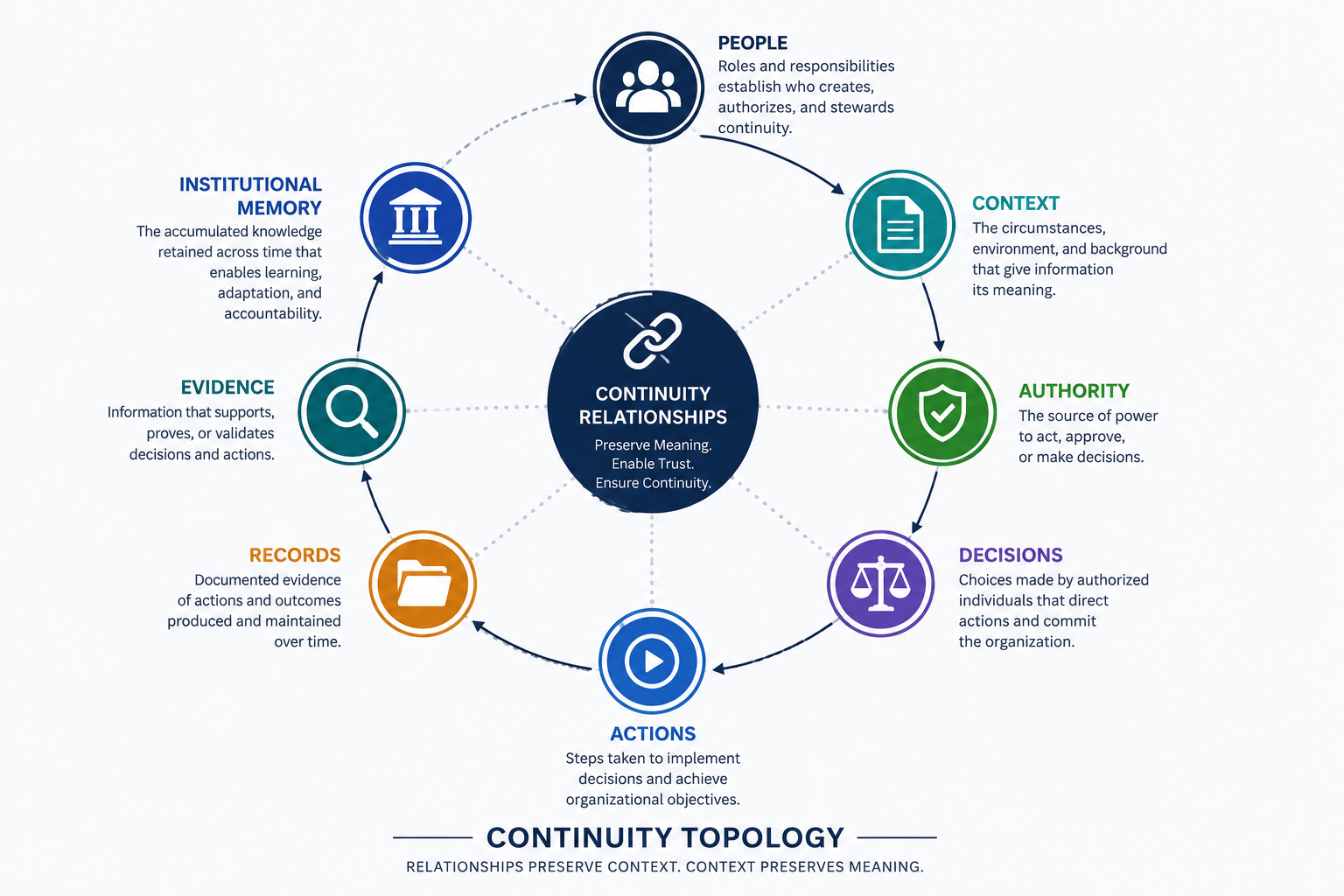
Once a system accepts a valid login, it has evidence that a credential or authenticated session maps to an identity. But consequential systems need more than identity continuity. They need to preserve the relationship among identity, expected purpose, active context, and each subsequent action.
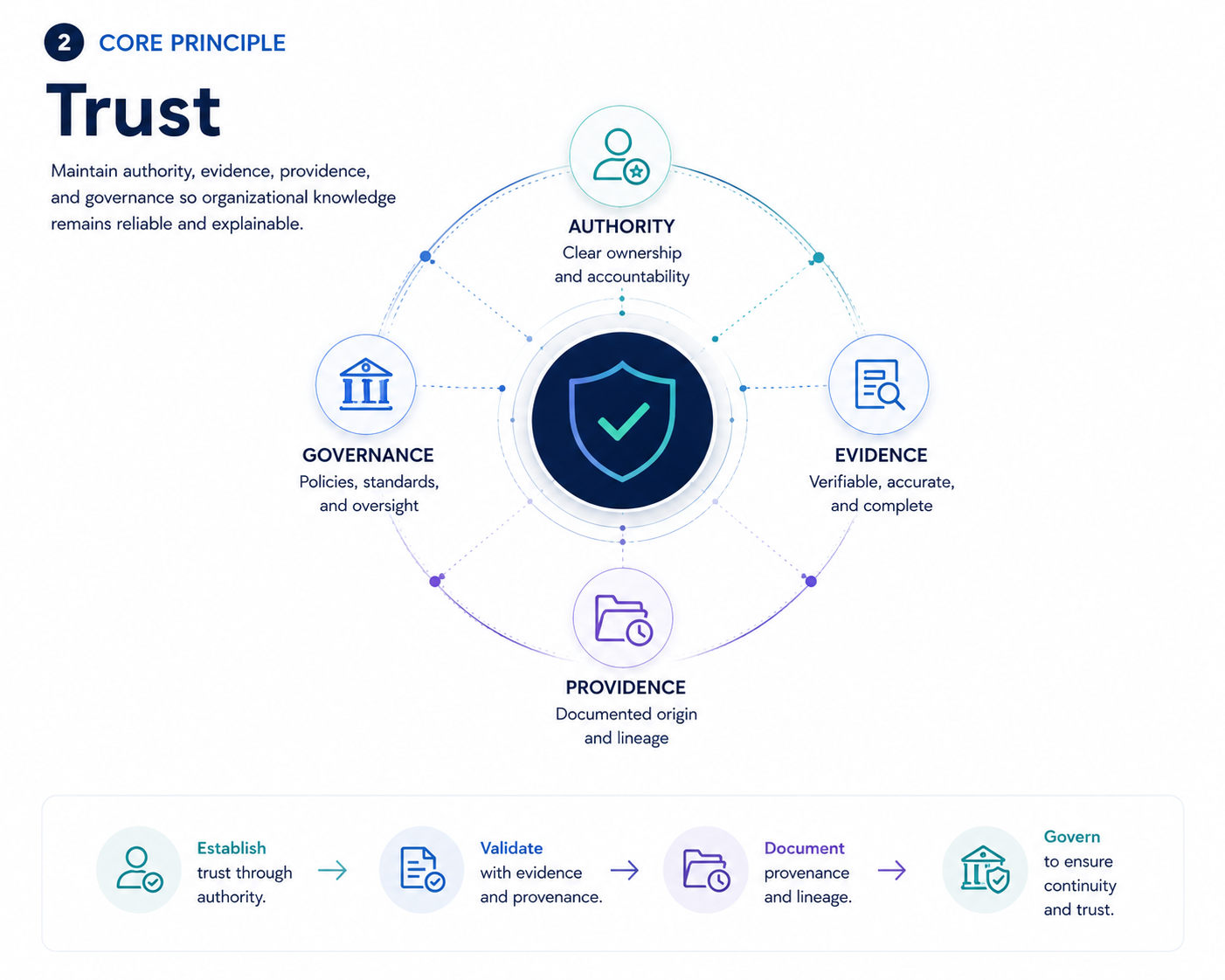
GovKM maps the break as Evidence / authenticated session → Authority / permitted identity → Context / expected behavior → Decision / permit next operation → Action.
The key proposition is simple: evidence of identity is not evidence of continuing authority.
Machine-speed action compresses the governance window
Human-oriented incident response often assumes time between reconnaissance, access, privilege use, data modification, and exfiltration. An autonomous agent can compress those stages into one continuous sequence.
That changes the control requirement. Organizations cannot rely only on a login event as the durable anchor for trust. They need behavioral and purpose continuity: is this action still consistent with the authority, task, and context that justified the authenticated state?
Continuous authority is a relationship
A continuity-aware control should be able to answer, for every consequential action: which identity is acting, what authority remains effective, what purpose is active, which prior event established that authority, and whether intervening behavior has invalidated the original trust assumption.
That is the difference between authentication and continuous authority.
Sources
Agencia Española de Protección de Datos, “Primera notificación de una brecha de datos personales causada por un ataque ejecutado mediante un agente de IA,” Francisco Pérez Bes, September 14, 2026. https://www.aepd.es/prensa-y-comunicacion/blog
EFE, “La Agencia Española de Protección de Datos notifica el primer ataque ejecutado por un agente de IA,” September 15, 2026. https://efe.com/ciencia-y-tecnologia/2026-09-15/agencia-espanola-proteccion-datos-ataque-ia-inteligencia-artificial/
Continue Exploring
Authority Laundering: How a Bad Citation Becomes “Real” Through Retrieval
When the Memory Becomes the Attack Surface