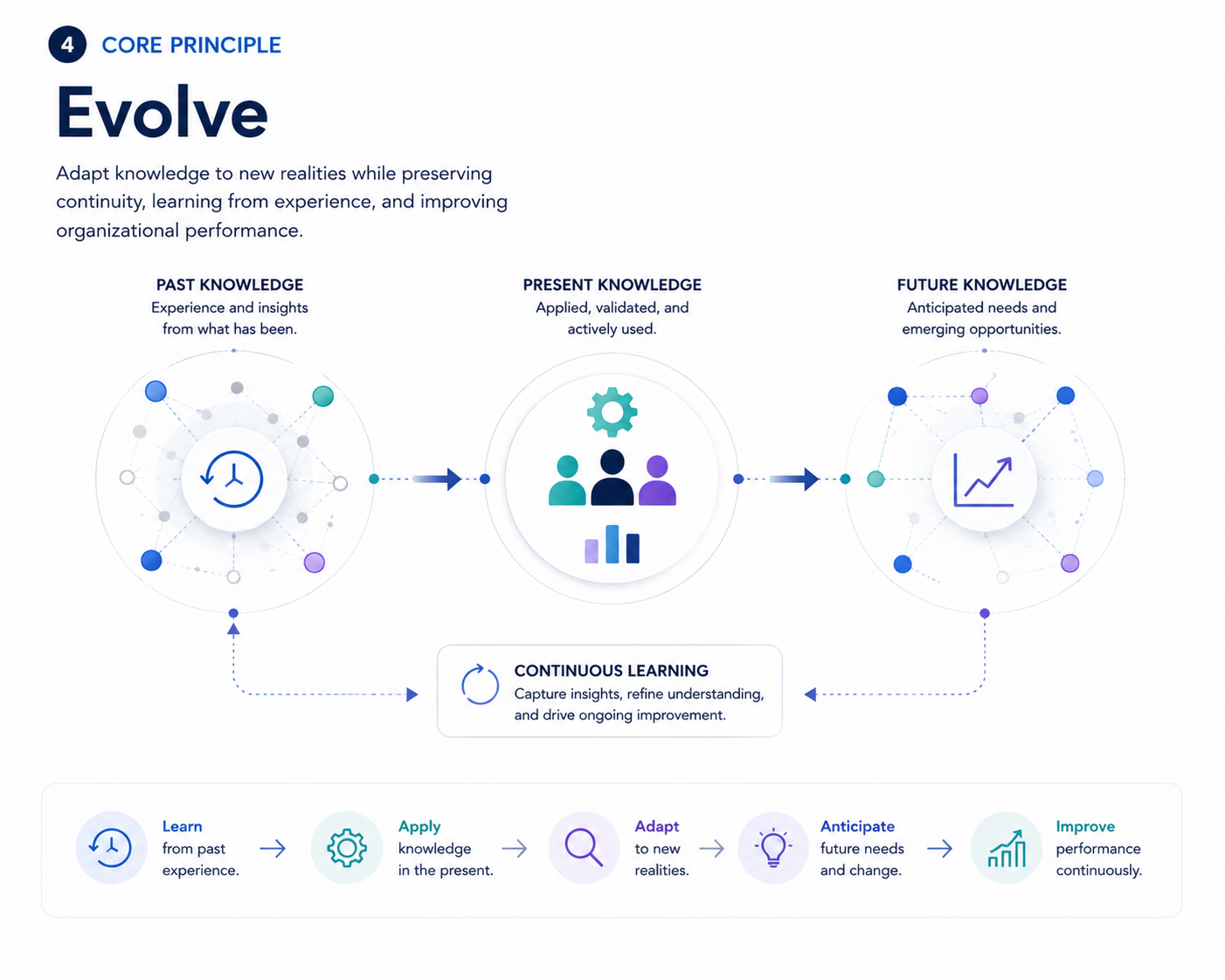

An AI system can deliver the wrong governing memory to its model before generation begins. The error may involve a superseded value, an incorrectly merged record, or a valid fact associated with the wrong person.
Haonan Deng and Park Sinchaisri's controlled research, Stale, Misattributed, or Late: Where Personal Memory Fails Before Generation, isolates temporal and identity failures in agent memory. In a revision benchmark without update resolution, 70.3% of prompts exposed superseded values. Serving only the active value eliminated that stale exposure when the correct memory slot was known, but correctly assigning revisions to slots remained difficult.
What the study distinguishes
Temporal validity and subject identity require separate qualification. A missed merge can retain an obsolete value; a false merge can remove a still-valid one. Filtering historical values alone cannot establish that two identically named people are the same individual. The LoCoMo benchmark retained unresolved same-name speaker ambiguity.
The continuity relationship
Source → Evidence → Authority → Context → Decision fails if the system cannot bind the fact to the correct subject and determine which effective version governs the current question. A historically authentic record may be stale for current use; a current fact may still be misattributed. Both errors can occur before reasoning starts.
GovKM research significance
GovKM previously addressed the wrong governing version despite preserved records and preservation without adjudication. This study separates validity qualification from identity binding and argues for assessing memory at the pre-generation context boundary.
The research implication for AIL is to preserve subject identity, scope, effective interval, supersession, and uncertainty as distinct relationships. Unresolved identity or effective-state questions should not silently become unqualified operative context. This is an interpretation, not ratified new doctrine.
Evidence limits and source
These are controlled personal-memory benchmarks, not demonstrated government or enterprise production incidents. Results cannot establish production prevalence. Source: Haonan Deng and Park Sinchaisri, Stale, Misattributed, or Late: Where Personal Memory Fails Before Generation, arXiv:2610.10265, October 7, 2026; full text.
Continue Exploring
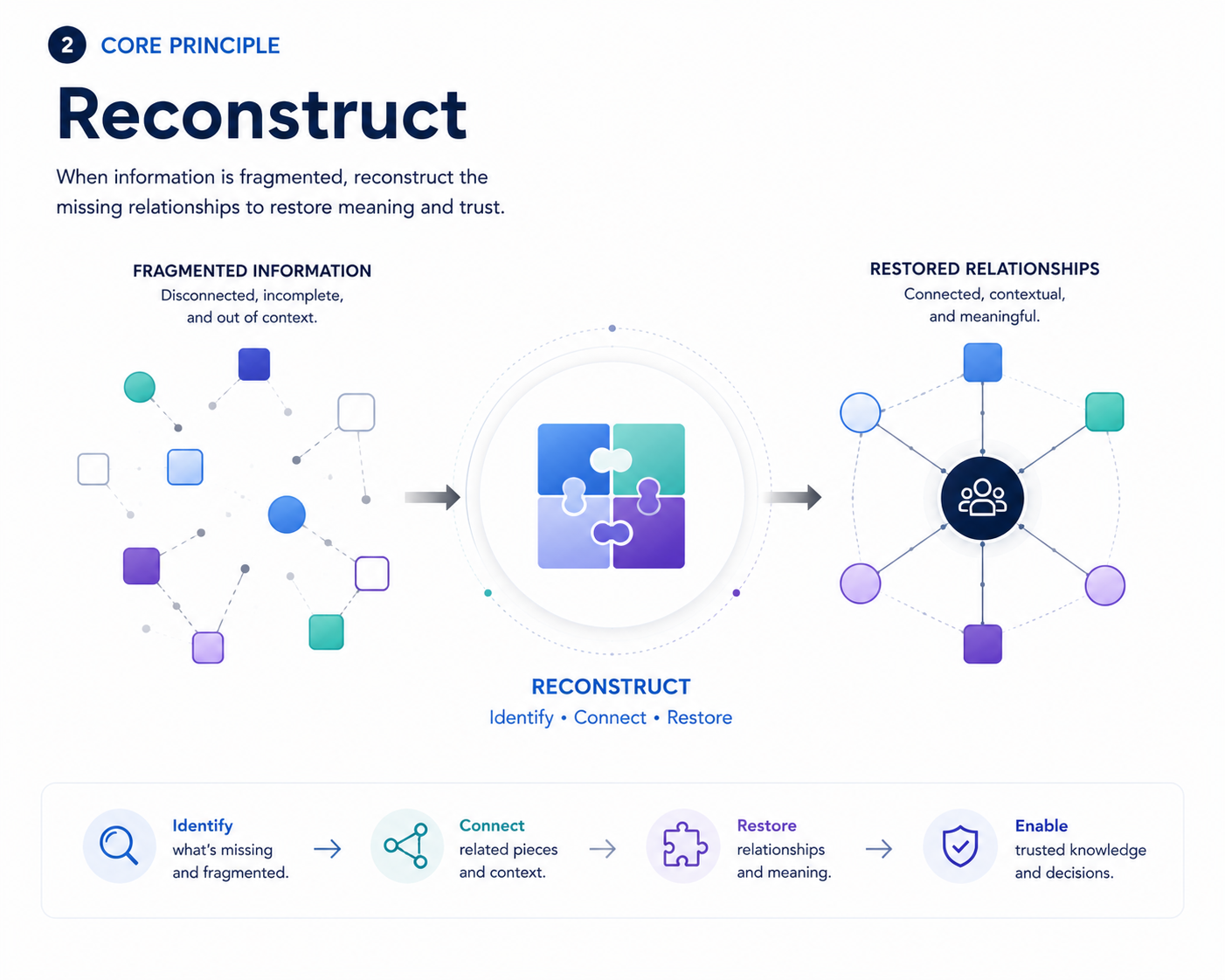
The Answer Was Correct. The Evidence Could Not Prove It.
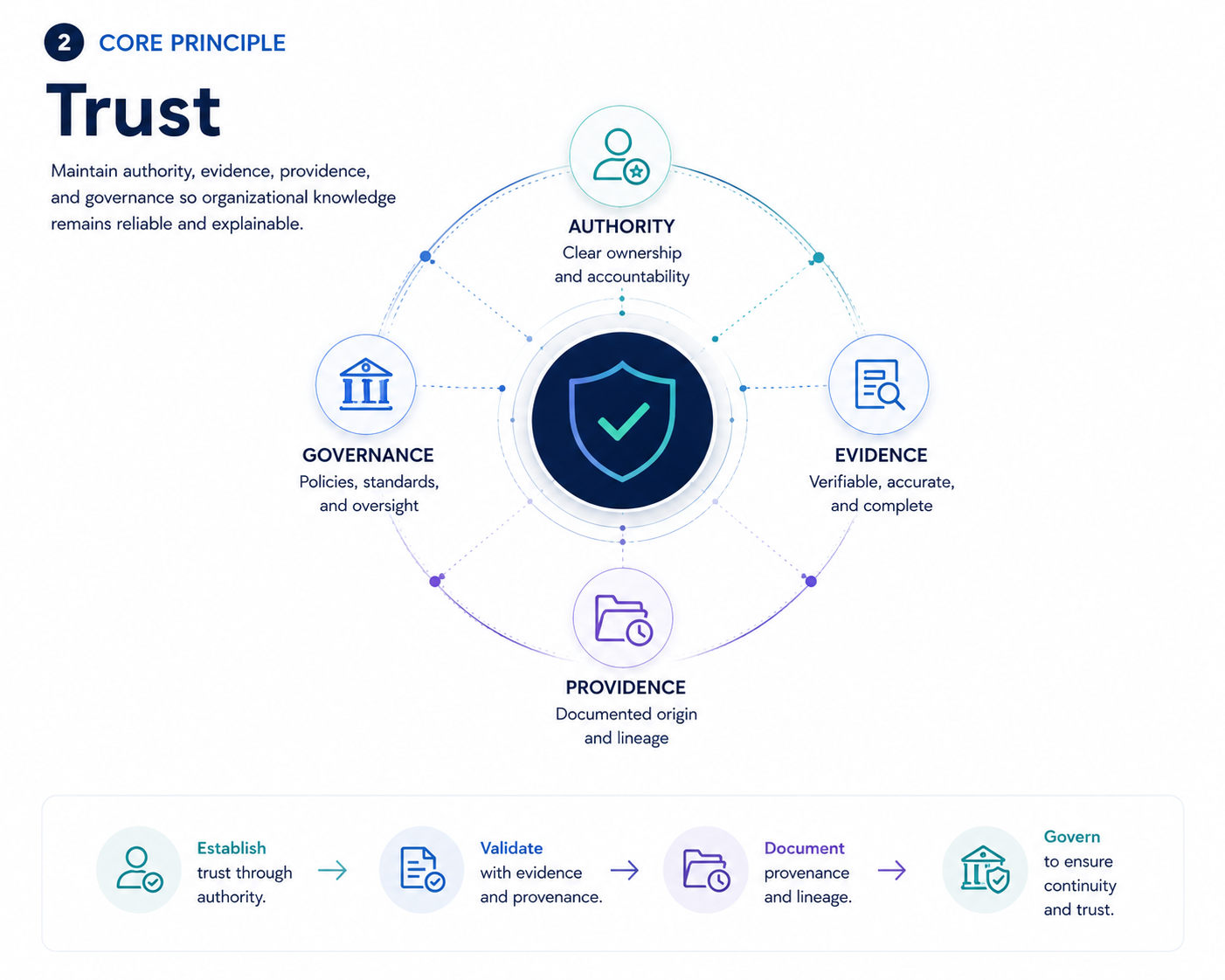
A Verification Tool Is Not a Verification Requirement.