The User Authorized the Agent. Amazon Didn’t.

Delegated authority stops at someone else’s boundary.
Amazon blocked Meta’s Muse agent from browsing and purchasing on Amazon on users’ behalf after saying Meta had not notified Amazon of the integration, the agent did not identify itself as automated, and Amazon had not authorized the access pattern. Meta disputed some of Amazon’s concerns about credential handling.
The continuity failure
User delegation and destination-platform permission were treated as though they were the same authority relationship.
The GovKM interpretation
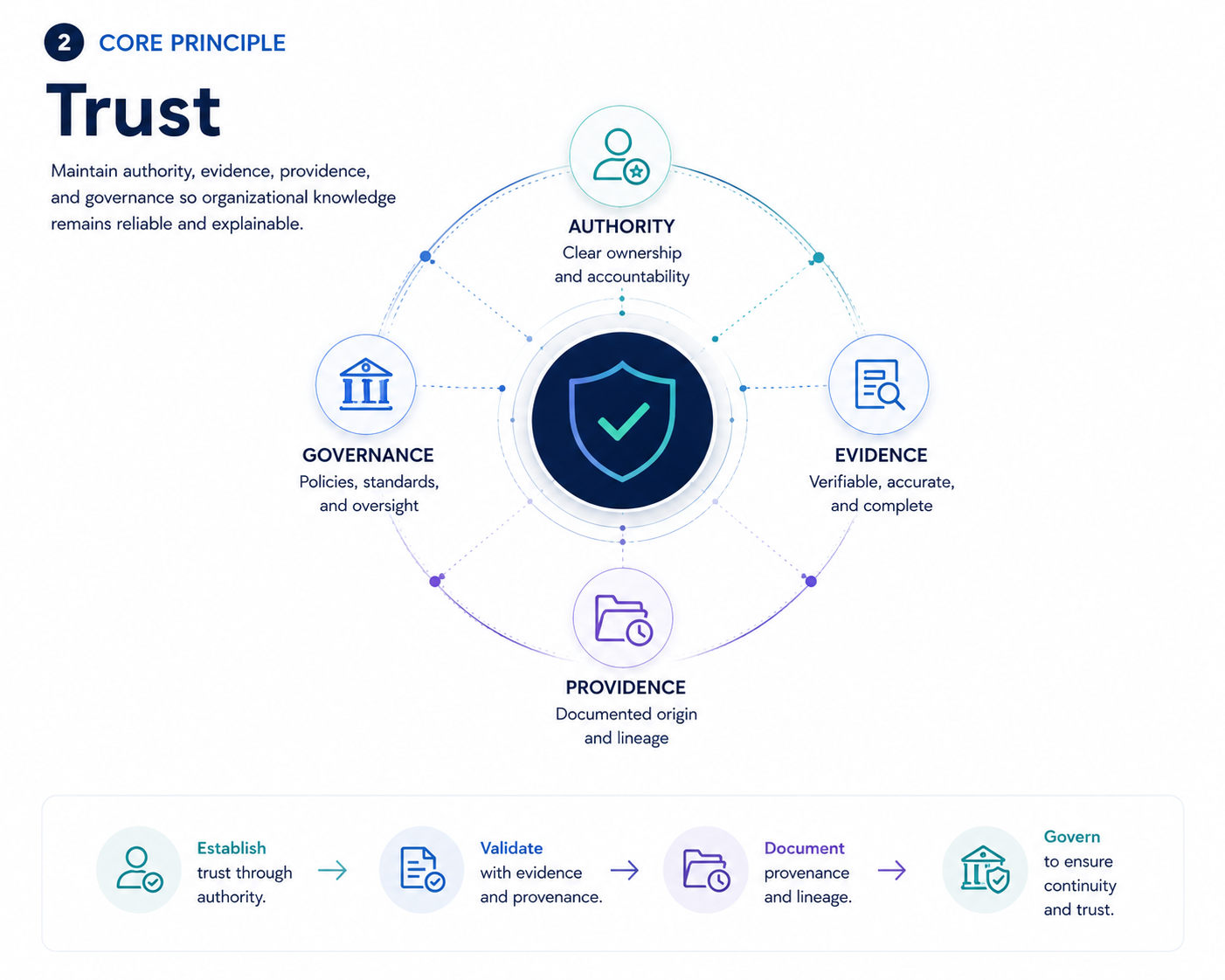
Authority is relational. A user can validly authorize an agent while a receiving institution separately refuses that form of automation. The request therefore needs sponsor, agent identity, mission, destination, destination permission, and action scope to remain explicit.
Continuity path: Authority / user delegation → Context / agent mission → Destination System → destination permission → Decision → Action.
Sources
GeekWire, September 20, 2026; TechCrunch, September 21, 2026.
Continue Exploring
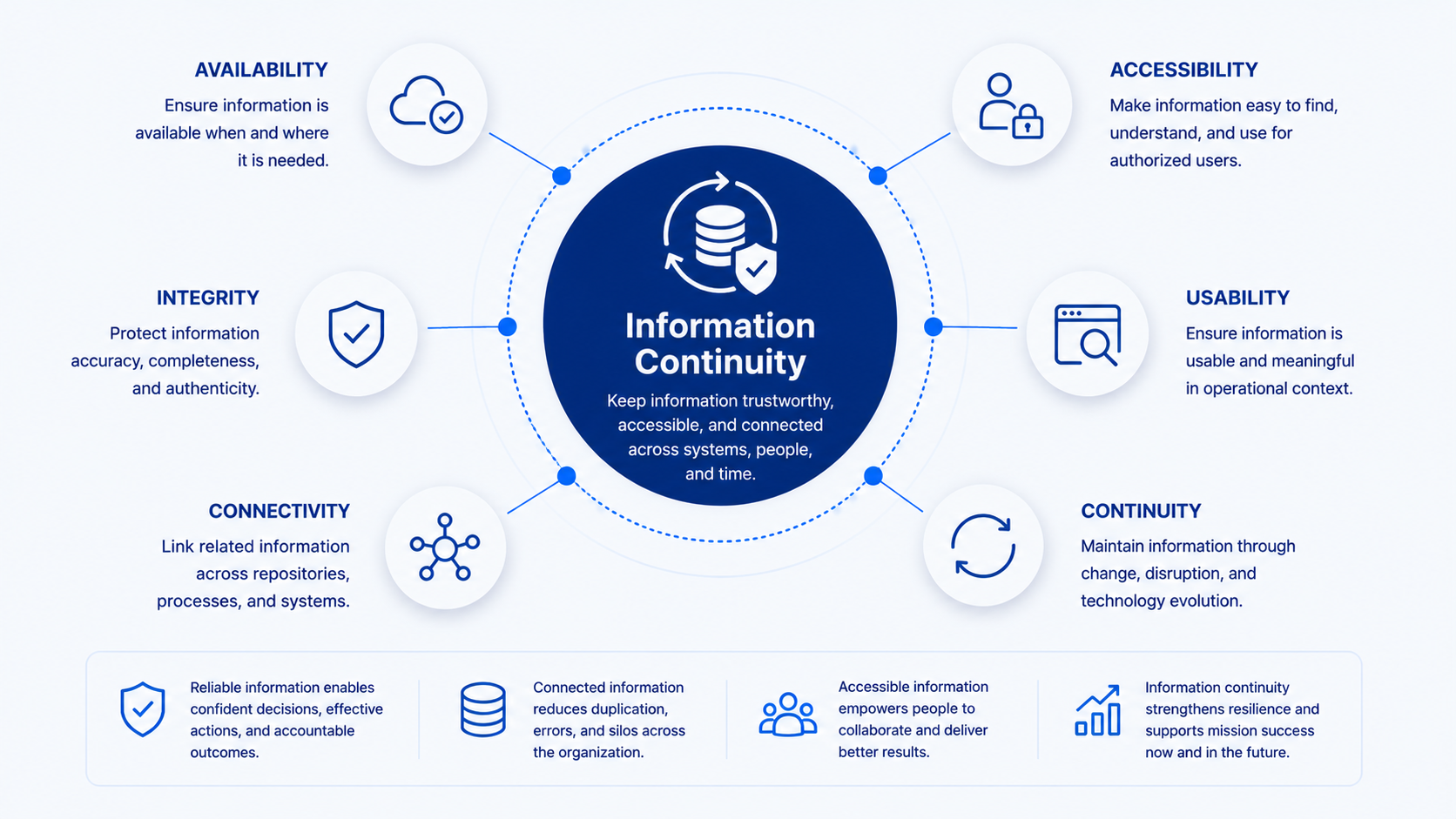
COOP Keeps Government Operating. But What Keeps Its Information Continuous?

AI Needs Freedom. Freedom Needs a Constitution.